
How to Install a Sliding Window Roller
Part of: Floors, walls and doors · Also in: The Complete Guide to Doors and Windows: Repairs at Home
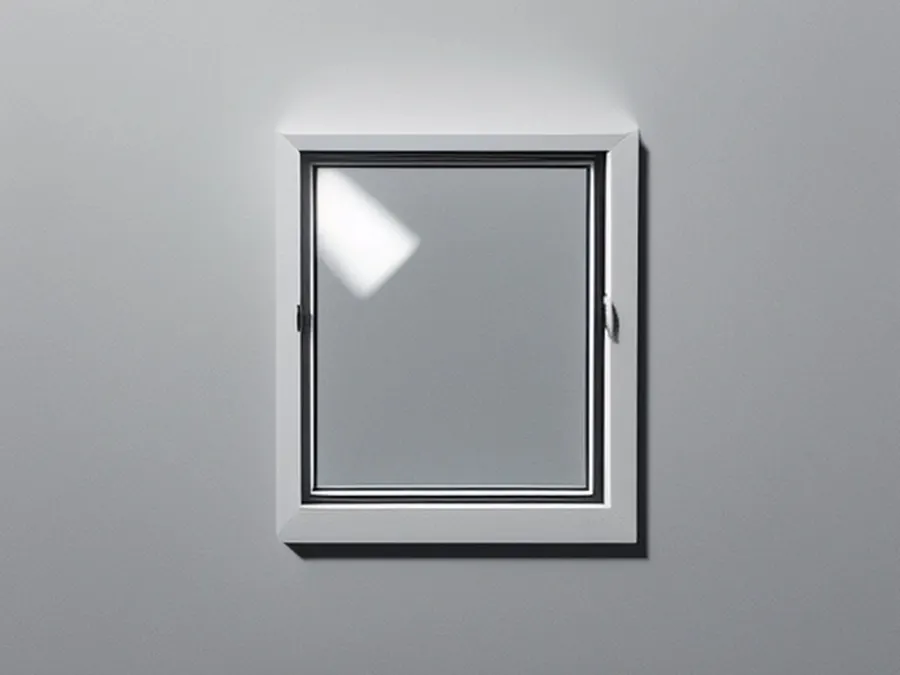
- Difficulty
- Easy
- Time
- 30 to 60 minutes per window
- Tools
- screwdriver, putty knife, needle nose pliers, shop vacuum, small brush, flashlight, drill, silicone spray
- Call a pro if
- The frame is bent or rotted at the bottom track, the glass is cracked, or the sash will not come out without forcing it.
In this guide
Knowing how to install a sliding window roller is one of the best small repairs a homeowner can learn. A window that used to glide and now grinds is not a window that needs replacing; it is usually two small wheels that cost less than a sandwich.
The job starts with identification. Rollers differ in wheel diameter, housing shape, and how they mount, and a roller that is close but not right will bind or drop out of the track. Pull the old one, take it with you, and match it exactly.
1. Take the screen off first
Lift the screen out of its channel and set it aside. Screens are light and easy to damage, and having them out of the way gives you room to lift the sash without catching the frame.
2. Free the sash from the frame
Sliding windows are built so the inside sash lifts up into the upper track and then tips out at the bottom. Lift it firmly, swing the bottom toward you, and set it down flat. Some windows have a small retainer screw or clip at the top that has to come out first, so look along the top track before you force anything.
3. Take the old roller out
The roller sits in a slot at the bottom corner, usually held by one or two screws. Remove them and the roller lifts out, sometimes with a spring behind it. Keep the screws. If the roller is riveted in, drill the rivet head off carefully and plan to replace it with a short screw.
4. Match the new roller
Compare the old and new rollers on all three dimensions: wheel diameter, housing width, and the height of the mounting hole. Note whether the roller is adjustable and how it is adjusted, with a screw through the face or from the side. Take the old roller to the store, and buy two so both corners match.
5. Clean the track and the slot
Vacuum the bottom track and dig the felt and grit out of the corners with a small brush or a putty knife. A new roller running in a dirty track wears out fast, and half the time a good clean is all a stiff window needed. Wipe the track with a damp cloth and let it dry.
6. Check the track for damage
Look for dents, lifted ends, and worn spots in the bottom track. A track that is bent will derail even a new roller. Small dents can be tapped straight with a block of wood and a hammer, but a badly worn track means the window needs a new track, which is a different job.
7. Fit the new roller
Slide the new roller into the slot and start the screws by hand so you do not cross the thread. Set the adjustment screw to the middle of its range before you tighten. Check that the wheel spins freely and that the housing sits flush with the bottom of the sash.
8. Put the sash back in
Tip the sash back into the frame, top edge into the upper track first, then lower the bottom until the rollers land in the track. Slide it back and forth gently. It should move without lifting, and the sash should sit square in the opening.
9. Adjust the rollers
Turn the adjustment screw a quarter turn at a time and test the slide. Raising the roller lifts that corner of the sash; too high and the sash rubs the top track or the lock will not line up. Adjust both corners so the sash sits level and the lock meets its keeper without lifting the window.
10. Test the lock and lubricate
Slide the window closed and check that the latch engages and that the sash meets the jamb with no gap at the top or bottom. Spray a little silicone lubricant on the track, never oil or grease, which collects grit. Work the window open and shut a few times and wipe up any excess.
Common mistakes
- Buying a roller that is close in size but not the same, so it binds or falls out.
- Lifting the sash by the glass instead of the frame.
- Leaving grit in the track, which kills the new roller in a season.
- Over-tightening the adjustment screw, so the sash rides too high and the lock misses.
- Using oil on the track, which turns into a sticky paste with dust.
- Replacing one roller and leaving the other worn one in place.
Related guides
- How to Install Window Blinds
- How to Install a Window Lock
- How to Weatherstrip a Sliding Glass Door That Leaks Air
- How to Fix a Window Latch That Will Not Lock
- Sliding Door Off Track or Hard to Slide: How to Fix It
- How to Install a Window Stool
FAQ
How do I know if my window needs new rollers?
The window is hard to slide, grinds, or the sash sits low on one side. Lift the sash and spin the wheel: a roller that does not spin freely or has a flat spot is worn out.
Are sliding window rollers universal?
No. Wheel size, housing shape, and mounting style vary, so match the old part exactly or the window will bind.
Can I replace a roller without taking the window out?
Rarely. Most rollers are screwed into the bottom of the sash and cannot be reached with the sash in the frame.
What lubricant should I use on a window track?
Silicone spray or a dry lubricant. Oil and grease collect dust and make the track gritty.
How long should new rollers last?
Ten years or more in a clean track. In a track full of grit, a cheap roller can wear flat in a couple of years.
More from this topic
- How to Install Window Blinds: How to install window blinds level and centered: measure inside or outside mount, find the framing, and set...
- How to Clean Window Tracks and Keep Windows Gliding: Dirty window tracks make windows stick and let in drafts. Learn how to clean window tracks with a vacuum,...
- How to Install a Storm Window Over an Existing Window: How to install a storm window: measure the opening, fit the frame and panels, seal the edges without trapping...
- How to Lubricate a Window Track: Learn how to lubricate a window track so a stiff sash slides again, which lubricants to use, and which ones...
- How to Repair a Damaged Door Jamb: How to repair a damaged door jamb: cut out the broken section, splice in new wood, and reset the strike or...
 Doors and WindowsHow to Install Window BlindsHow to install window blinds level and centered: measure inside or outside mount, find the framing, and set the brackets square.
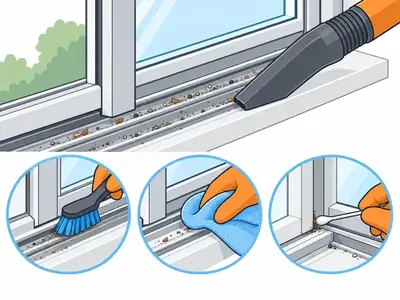 Doors and WindowsHow to Clean Window Tracks and Keep Windows GlidingDirty window tracks make windows stick and let in drafts. Learn how to clean window tracks with a vacuum, vinegar and a small brush, and clear weep holes.
 Doors and WindowsHow to Install a Storm Window Over an Existing WindowHow to install a storm window: measure the opening, fit the frame and panels, seal the edges without trapping moisture, and keep the weep holes open.
 Doors and WindowsHow to Lubricate a Window TrackLearn how to lubricate a window track so a stiff sash slides again, which lubricants to use, and which ones turn the track into a grit trap.
 Doors and WindowsHow to Repair a Damaged Door JambHow to repair a damaged door jamb: cut out the broken section, splice in new wood, and reset the strike or hinge so the door latches.