
How to Weatherstrip a Sliding Glass Door That Leaks Air
Part of: Floors, walls and doors
- Difficulty
- Easy
- Time
- 1 to 2 hours
- Tools
- Screwdriver, utility knife, tape measure, replacement pile weatherstrip, door sweep, silicone spray, vacuum, scissors, drill
- Call a pro if
- The door frame is bent, the glass seal has failed and the pane is fogged, or the door will not slide even after the rollers are adjusted.
In this guide
- Find where the air is coming in
- Clean the tracks first
- Check and adjust the rollers
- Replace the pile weatherstrip
- Fit a new bottom sweep
- Seal the meeting rail and the fixed panel
- Deal with the lock and the handle
- Test the seal and the slide
- Check the outside for water paths
- Common mistakes
- Related guides
- FAQ
- When to call a pro
- Wear protection
A sliding glass door is a big hole in the wall, and it leaks air in three places: around the sliding panel, under it, and where the fixed panel meets the frame. The trick to how to weatherstrip a sliding glass door is treating it as three seals instead of one. Most of the draft comes from weatherstripping that has flattened after years of use, or from rollers that have dropped so the door no longer sits tight.
The fix is cheap and mostly takes patience. Here is how to weatherstrip a sliding glass door so it stops leaking air without making it hard to slide.
1. Find where the air is coming in
On a cold or windy day, run your hand around the door, or hold a thin piece of tissue near the edges.
- Along the meeting rail where the two panels overlap.
- Under the sliding panel, at the bottom track.
- Around the fixed panel, at the sides and top.
- Through the lock and handle openings.
Note which spots are worst, so you buy the right parts.
2. Clean the tracks first
Vacuum the bottom track and wipe it with a damp cloth. Grit in the track holds the door up and wears the weatherstripping.
Check the weep holes in the outside track. If they are blocked, water backs up and comes inside. Clear them with a wire or a paper clip.
3. Check and adjust the rollers
If the door sits low, the bottom sweep will not seal and the door may drag.
1. Find the adjustment screws, usually at the bottom of each side of the sliding panel, behind a plug or under a cap.
2. Turn them a quarter turn at a time to raise or lower that side.
3. Test the door after each adjustment.
Raise the door until it clears the track without scraping. A door that is too high will not seal at the top.
4. Replace the pile weatherstrip
The fuzzy pile strip in the frame is usually the main source of drafts.
1. Pull out the old strip from its channel with pliers.
2. Measure the channel depth and width, and buy a matching pile strip.
3. Clean the channel with a vacuum and a small brush.
4. Press the new strip into the channel, working along in short sections.
5. Trim the ends with scissors, not a knife, so the fibers do not fray.
Do not stretch the strip as you install it, since it will shrink back and leave gaps.
5. Fit a new bottom sweep
The sweep is the flap or brush along the bottom of the sliding panel.
1. Remove the old sweep, usually held by screws or slid into a channel.
2. Measure the panel width.
3. Cut the new sweep to length and slide or screw it into place.
4. Check that it touches the track evenly without dragging.
A sweep that is too long will catch and tear. Trim it slightly short at each end.
6. Seal the meeting rail and the fixed panel
- Replace the interlock weatherstrip where the two panels meet, if yours has one.
- Run a thin bead of exterior caulk around the outside of the fixed panel frame, where it meets the wall.
- Do not caulk the weep holes or the bottom track.
7. Deal with the lock and the handle
Air leaks around the lock and the handle openings are small but noticeable.
- Check that the lock pulls the panels together tightly. If it does not, adjust the keeper.
- Add a small piece of foam weatherstrip behind the handle plate if there is a gap.
8. Test the seal and the slide
Close the door and feel around the edges again. Then open and close it a few times.
- If it is hard to slide, the rollers are too high or the sweep is dragging.
- If it rattles, the interlock is not engaging, and the door needs alignment.
A little silicone spray on the track helps, but do not use oil, which attracts dirt.
9. Check the outside for water paths
Air sealing and water sealing are different jobs.
Common mistakes
- Stretching the pile strip during installation.
- Sealing the weep holes and trapping water in the track.
- Raising the door so high that the top no longer seals.
- Using oil on the track instead of silicone.
- Replacing weatherstripping without checking the rollers.
Related guides
- How to Fix a Patio Door That Leaks Air or Water
- How to Install a Sliding Window Roller
- How to Test a Window for Leaks With a Hose and Where to Fix It
- How to Install a Door Sweep to Stop Drafts, Water and Pests
FAQ
What kind of weatherstrip goes on a sliding glass door?
Pile weatherstrip in the frame channels, plus a bottom sweep on the sliding panel. Some doors also use an interlock seal at the meeting rail.
Why is my sliding door still drafty after new weatherstripping?
The rollers are probably out of adjustment, or the frame is out of square so the panels do not meet tightly.
Can I weatherstrip a sliding door in winter?
Yes, on a mild day. The pile strip does not use adhesive, and it fits the same in cold weather.
How often should I replace the sweep?
Every few years, or when it stops touching the track or starts to tear.
More from this topic
- How to Fix a Patio Door That Leaks Air or Water: How to fix a patio door that leaks air or water: separate the draft from the leak, clear the weep holes,...
- Sliding Door Off Track or Hard to Slide: How to Fix It: Sliding door off track or hard to slide? Clean the track, adjust the rollers and re-seat the door. Steps,...
- How to Fix a Door That Swings Open on Its Own: Learn how to fix a door that swings open on its own: check the frame for plumb, adjust or shim the hinges,...
- Gap Under an Exterior Door: A gap under an exterior door lets in cold air, bugs and water. Measure it, choose the right door sweep or...
- How to Weatherstrip an Exterior Door and Stop Drafts: Learn how to weatherstrip an exterior door: test for leaks, pick the right seal and install it along the...
 Doors and WindowsHow to Fix a Patio Door That Leaks Air or WaterHow to fix a patio door that leaks air or water: separate the draft from the leak, clear the weep holes, reseal the threshold, and check the flashing.
 Doors and WindowsSliding Door Off Track or Hard to Slide: How to Fix ItSliding door off track or hard to slide? Clean the track, adjust the rollers and re-seat the door. Steps, tools and when to replace rollers.
 Doors and WindowsHow to Fix a Door That Swings Open on Its OwnLearn how to fix a door that swings open on its own: check the frame for plumb, adjust or shim the hinges, and add a latch, closer or stop that holds it shut.
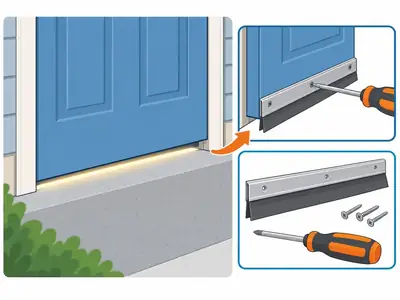 Doors and WindowsGap Under an Exterior DoorA gap under an exterior door lets in cold air, bugs and water. Measure it, choose the right door sweep or threshold fix and install it in under an hour.
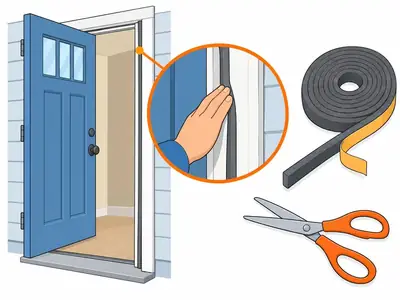 Doors and WindowsHow to Weatherstrip an Exterior Door and Stop DraftsLearn how to weatherstrip an exterior door: test for leaks, pick the right seal and install it along the sides and top so the door closes snug without sticking.