
How to Install Garage Wall Shelves That Actually Hold Weight
Part of: Outdoors and garage
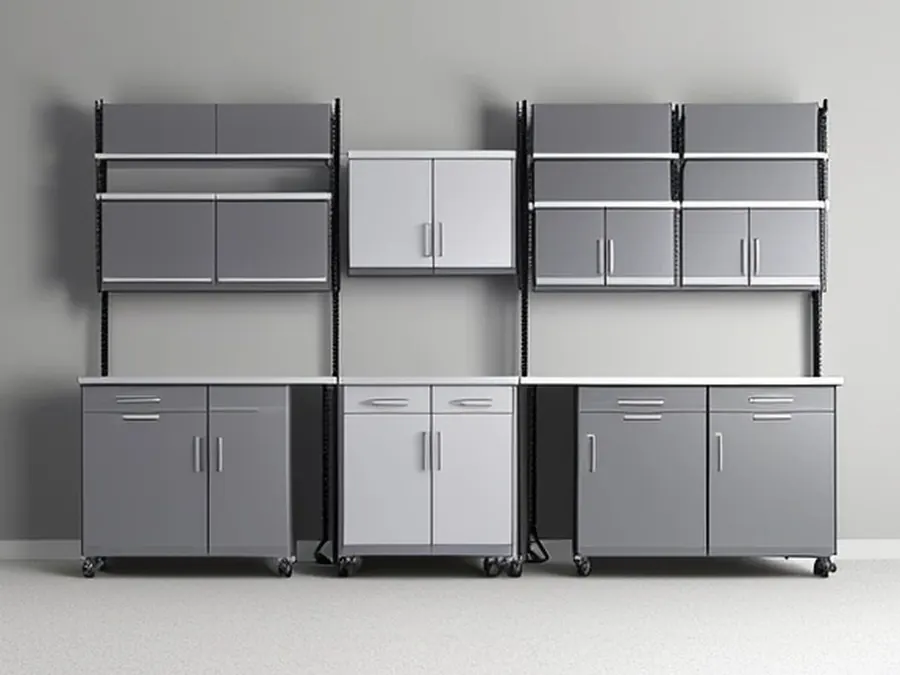
- Difficulty
- Moderate
- Time
- Two to four hours for a wall of shelves
- Tools
- Stud finder, level, drill and bits, tape measure, pencil, brackets and shelf boards, screws, a ladder
- Call a pro if
- The walls are concrete or block and you do not have a hammer drill and anchors, or you plan to store very heavy items like engines overhead.
In this guide
- Ladder safety
Most garage shelves fail because the shelf was built first and the contents decided later. If you start from what you will put on it, the depth, spacing and fasteners follow. How to install garage wall shelves starts by sorting what is going up, since tools, paint cans and car-care jugs need different shelves from seasonal bins.
1. Sort what is going up
Pile your items by weight and size. Tools, paint cans and car-care jugs are heavy and small. Seasonal bins are light and bulky. Group the heavy items for the lowest shelf and the bulky bins for the upper ones.
2. Choose the depth and the gaps
For bins, a depth of 12 to 16 inches wastes the least space. Deeper shelves hide things at the back. Set the gap between shelves about 2 inches taller than the tallest item on each one so you can slide things in and out.
3. Pick brackets and boards for the load
Use thick plywood or solid boards and brackets with a stated load rating. Support the shelf at least every 16 to 24 inches. Closer spacing carries more and sags less. A long shelf with only two end brackets will bow.
4. Find the structure behind the wall
On a wood-framed wall, locate the studs and mark the center of each. On block or poured concrete, plan masonry anchors and use a hammer drill. If the wall is thin sheathing with no framing, build a free-standing unit instead.
5. Mount and level
Mark one level line for the first shelf. Fasten the brackets so the screws reach well into the stud, at least 1½ inches. Check each bracket with a level before the last screw goes in, then lay the board and fix it from below.
6. Load it in order
Put the heaviest items on the bottom shelf first. Keep anything you lift often between knee and shoulder height. Leave the top for light, rarely used bins, and label the fronts so you do not dig through everything.
Common mistakes
- Driving screws into drywall between studs.
- Mounting shelves where a car door or the garage door will hit them.
- Putting heavy cans on the top shelf.
- Leaving long spans unsupported.
FAQ
How far apart should the brackets be?
Every 16 to 24 inches is a sensible range. Use the closer spacing for heavy loads.
Can I use garage wall shelves on a block wall?
Yes, with masonry anchors rated for the load and a hammer drill.
How deep should garage shelves be?
About 12 to 16 inches suits bins and paint cans. Go deeper only for items that need it.
Related guides
- How to Organize a Small Garage and Make Room for the Car: Learn how to organize a small garage with zones, wall storage and overhead racks, while keeping fuel, paint...
- How to Install a Pegboard Wall: How to install a pegboard wall in a garage or shop: space it off the wall, screw it into studs, and lay out...
- How to Install a Workbench in a Garage: How to install a workbench in a garage: pick the height, anchor a ledger to the studs, build a solid frame,...
- Install Hose Reel on a Wall: Steps That Last: Want to install hose reel hardware the right way? Find solid mounting spots, connect the spigot and avoid...
- How to Organize a Garage on a Budget: Learn how to organize a garage on a budget: clear and sort first, use walls and ceiling for storage, build...
 Garage and OutdoorsHow to Organize a Small Garage and Make Room for the CarLearn how to organize a small garage with zones, wall storage and overhead racks, while keeping fuel, paint and fire safety rules in mind.
 Tools and BasicsHow to Install a Pegboard WallHow to install a pegboard wall in a garage or shop: space it off the wall, screw it into studs, and lay out hooks so tools stay findable.
 Garage and OutdoorsHow to Install a Workbench in a GarageHow to install a workbench in a garage: pick the height, anchor a ledger to the studs, build a solid frame, and top it with a surface that lasts.
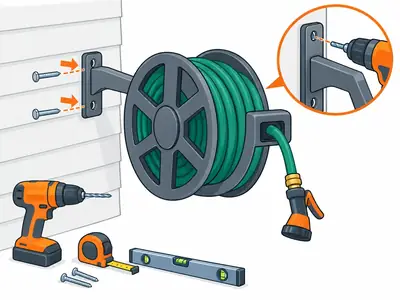 Garage and OutdoorsInstall Hose Reel on a Wall: Steps That LastWant to install hose reel hardware the right way? Find solid mounting spots, connect the spigot and avoid leaks so your hose stays tidy.
 First HomeHow to Organize a Garage on a BudgetLearn how to organize a garage on a budget: clear and sort first, use walls and ceiling for storage, build cheap shelving and keep the floor empty for the car.