
How to Insulate a Crawl Space Door
Part of: Heating and cooling
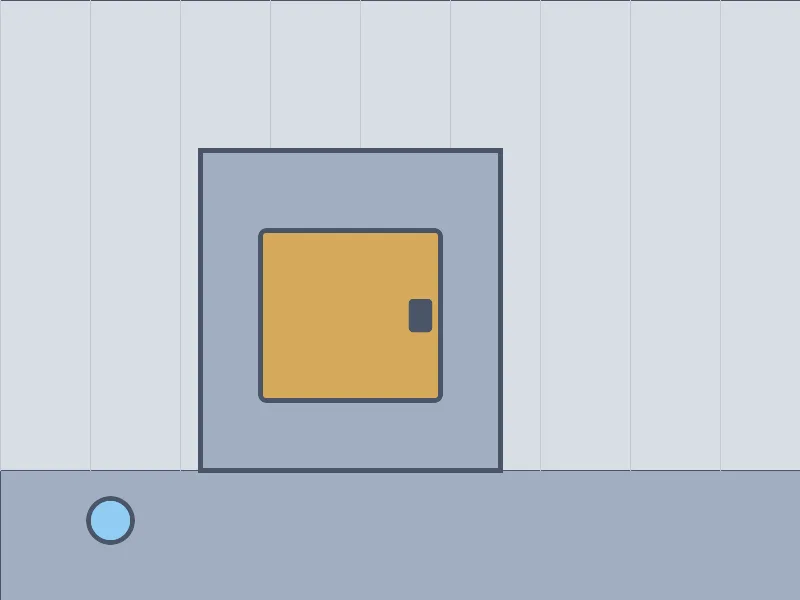
- Difficulty
- Easy
- Time
- 1 to 2 hours
- Tools
- tape measure, utility knife, drill, driver, foam board insulation, construction adhesive, weatherstripping, expanding foam, caulk gun, gloves, dust mask, safety glasses
- Call a pro if
- The crawl space has standing water, mold, or a musty smell that carries into the house, since that is a moisture problem to fix before you insulate anything.
In this guide
- Inspect the crawl space first
- Measure the door and the frame
- Choose the insulation
- Cut the foam board to fit
- Glue it to the panel
- Seal the frame to the wall
- Weatherstrip the edge
- Insulate the frame cavity if there is one
- Keep the vents open
- Test the fit and check for drafts
- Common mistakes
- FAQ
- When to call a pro
- Wear protection
- Chemical safety
Knowing how to insulate a crawl space door closes a gap that costs real money in heating and cooling. The door is a thin piece of plywood or a plastic panel in a frame, usually in a foundation wall or a closet floor, and it is often the least insulated surface in the house.
The job is straightforward: insulate the panel, seal the frame where it meets the wall, weatherstrip the edge, and make sure the door still opens and closes. The tricky part is doing it without trapping moisture or blocking the vents the crawl space needs.
1. Inspect the crawl space first
Look inside with a light. Standing water, mold, or a strong musty smell means moisture is the problem, and insulation will only make it worse. Fix drainage and ventilation before you close the door up tighter.
2. Measure the door and the frame
Measure the door panel and the opening, and note how the door sits in the frame: flush, recessed, or overlapping. That decides whether insulation goes on the inside face of the panel or into a frame behind it.
3. Choose the insulation
Rigid foam board is the usual choice for a door panel because it is light and does not sag. Fiberglass batts work if they are enclosed in a frame so they cannot fall out. Foil faced foam board also reflects radiant heat, which helps in a hot climate.
4. Cut the foam board to fit
Cut the board about a quarter inch smaller than the panel on each side, so it fits inside the door frame without binding. Score it with a knife and snap it, then cut through the facing. Wear gloves, since the cut edges are sharp.
5. Glue it to the panel
Run construction adhesive in a few beads on the door panel and press the foam board into place. Weight it or tape it while the adhesive sets. Do not use mechanical fasteners that poke through the outside face of the door, which lets water in.
6. Seal the frame to the wall
Fill the gap between the door frame and the foundation or the subfloor with expanding foam or caulk. This gap is often an inch wide and open to the outside air. Use a foam rated for doors and windows so it does not expand hard enough to bow the frame.
7. Weatherstrip the edge
Apply weatherstripping to the door stop or the frame so the door closes against a seal. Foam tape works for a flat stop, and a bulb seal works for an uneven gap. Clean the surface first so the adhesive holds.
8. Insulate the frame cavity if there is one
Some crawl space doors sit in a framed opening with a cavity around them. Fill that cavity with insulation, but do not block any vent. A door in a foundation wall may need a rigid foam panel behind the frame as well.
9. Keep the vents open
Crawl spaces in many climates need foundation vents for cross ventilation. Insulating the door must not cover a vent, and if the door itself has a vent, keep it clear. Blocking ventilation traps moisture and leads to rot and mold.
10. Test the fit and check for drafts
Close the door and feel around the edges on a cold or windy day. A draft means the weatherstripping is not sealing or the frame gap is still open. Check that the door latches and that the insulation does not rub or bind.
Common mistakes
- Insulating over a moisture problem instead of fixing it.
- Blocking the crawl space vents with insulation.
- Using expanding foam that bows the door frame.
- Fastening through the outside face of the door and letting water in.
- Leaving the frame to wall gap unsealed.
- Ignoring pests, since a sealed door with a gap underneath invites them in.
FAQ
Does insulating a crawl space door make a difference?
Yes. A thin uninsulated door in a foundation wall leaks heat and air all winter, and the fix is cheap.
What insulation should I use on the door?
Rigid foam board glued to the inside face, sized to fit inside the frame without binding.
Can I seal the crawl space completely?
Only if the space is designed and built for it. Otherwise keep the vents open and seal just the door.
How do I stop a draft under the door?
Weatherstrip the stop and add a sweep or a bulb seal at the bottom, then seal the frame to wall gap.
Should the insulation face the crawl space or the house?
For a rigid foam panel on a door, the board itself handles moisture, so mount it on the inside face where it will not be damaged.
Related guides
- How to Insulate a Knee Wall in an Attic: How to insulate a knee wall: air seal it first, choose rigid foam or batts, keep the soffit vents open, and...
- How to Air Seal an Attic: How to air seal an attic: find the bypasses at the ceiling plane, seal them with foam and caulk, and keep...
- How to Find Air Leaks in Your Home and Where to Seal First: Learn how to find air leaks in your home with simple checks: where drafts hide, how to test with incense or a...
- How to Insulate a Crawl Space Floor From Below: How to insulate a crawl space floor: check for moisture and pests first, fit batts with the vapor barrier up,...
- How to Insulate Basement Walls From the Inside: How to insulate basement walls from the inside: keep the wall able to dry, use the right foam and framing,...
 Heating and CoolingHow to Insulate a Knee Wall in an AtticHow to insulate a knee wall: air seal it first, choose rigid foam or batts, keep the soffit vents open, and separate the conditioned room from the cold attic.
 Heating and CoolingHow to Air Seal an AtticHow to air seal an attic: find the bypasses at the ceiling plane, seal them with foam and caulk, and keep insulation and vents clear.
 Heating and CoolingHow to Find Air Leaks in Your Home and Where to Seal FirstLearn how to find air leaks in your home with simple checks: where drafts hide, how to test with incense or a tissue, and which gaps to seal first.
 Heating and CoolingHow to Insulate a Crawl Space Floor From BelowHow to insulate a crawl space floor: check for moisture and pests first, fit batts with the vapor barrier up, support them, and seal the rim and the ducts.
 Heating and CoolingHow to Insulate Basement Walls From the InsideHow to insulate basement walls from the inside: keep the wall able to dry, use the right foam and framing, and avoid trapping moisture in the concrete.