
How to Plant Shrubs Along a Fence Line
Part of: Outdoors and garage
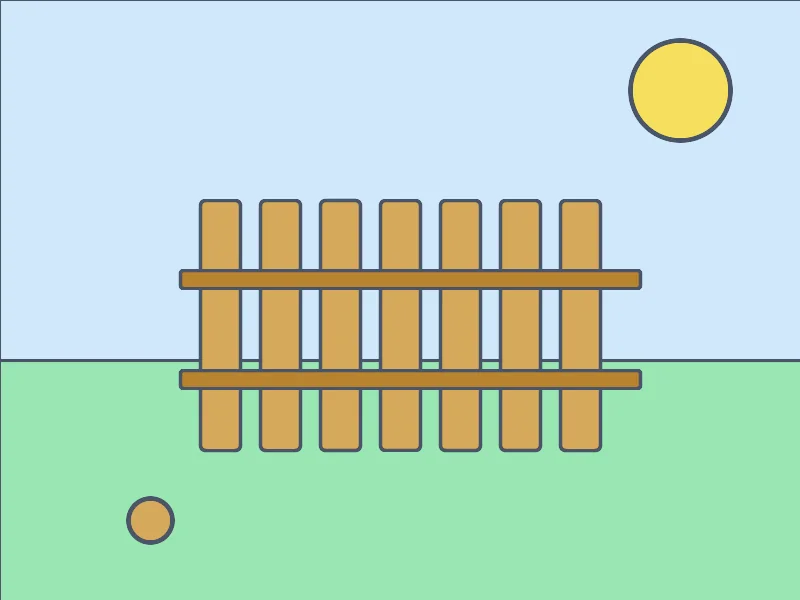
- Difficulty
- Easy
- Time
- A weekend for a 30 foot run
- Tools
- Tape measure, shovel, spade, wheelbarrow, hose, mulch, stakes, pruning shears, soil test kit
- Call a pro if
- The fence is shared with a neighbor, sits on a property line you are unsure of, or the soil stays waterlogged, since roots will rot and the fence will too.
In this guide
- Wear protection
- Call 811 before digging
A bare fence line collects weeds and looks unfinished. A row of shrubs hides the base of the fence, softens wind and gives privacy, but only if they are spaced for the size they reach. How to plant shrubs along a fence line starts with the sun the fence gets and the mature height and width on the plant tag.
1. Choose shrubs for the site
1. Check how much sun the fence line gets, and for how long.
2. Read the mature height and width on the plant label, not the size in the pot.
3. Pick evergreens for year round screening, or flowering shrubs for color.
4. Match the plant to your hardiness zone and soil.
2. Space for the mature width
1. Take the mature spread of the shrub and halve it to get the planting distance from the fence.
2. Leave at least that gap so the shrub does not rub the fence or trap damp against it.
3. Space shrubs so their mature widths just touch, or leave a gap if you want separation.
4. Mark each planting spot with a stake.
5. Keep an access gap at gates and corners.
3. Clear and prepare the bed
1. Strip grass and weeds in a strip about 3 feet wide along the fence.
2. Loosen the soil to a spade's depth across the whole strip, not just the holes.
3. Test the soil and add compost if it is poor or heavy clay.
4. Keep soil 6 inches back from the fence itself so it does not rot the wood.
4. Dig the holes
1. Dig each hole twice as wide as the root ball and no deeper.
2. Keep the sides rough rather than glazed, so roots can push out.
3. Pile the soil on a tarp beside the hole.
4. Check the hole depth with the pot set in it.
5. Space the holes evenly along the string line.
5. Set the shrubs at the right depth
1. Slide the pot off rather than pulling the plant by the stem.
2. Loosen circling roots and tease them out.
3. Set the plant so the top of the root ball sits level with the surrounding soil.
4. Check with a straight edge across the hole.
5. Planting too deep is the most common way to kill a shrub.
6. Backfill and firm
1. Backfill with the soil you dug out, mixed with compost.
2. Firm in layers with your hands, not your boots.
3. Water as you fill so the soil settles around the roots.
4. Build a shallow ring of soil around the plant to hold water.
5. Do not mound soil against the stem.
7. Water deeply and mulch
1. Water each shrub slowly until the root ball is soaked.
2. Add 2 to 3 inches of mulch, keeping it an inch clear of the stem.
3. Mulch out to the drip line, not in a tight ring.
4. Water every week for the first season if it does not rain.
5. Reduce watering once roots are established.
8. Protect the fence and the plants
1. Keep mulch and soil below the bottom rail of the fence.
2. Prune anything that grows into the fence rather than forcing it.
3. Check for rubbing branches after windy weather.
4. Keep a gap between shrubs and the fence for air and for painting.
9. Care through the first year
1. Stake only if the shrub rocks in wind, and remove stakes after a year.
2. Weed the bed before weeds seed.
3. Feed lightly in spring, not in fall.
4. Prune according to the shrub, since some flower on old wood.
5. Check the soil moisture under the mulch with a finger before watering.
Common mistakes
- Spacing by pot size rather than mature width, so shrubs crowd the fence.
- Planting too deep, which suffocates roots.
- Piling mulch against the stems, which invites rot and pests.
- Digging without checking for buried lines.
- Choosing a shrub that outgrows the space and needs constant pruning.
FAQ
How far from a fence should I plant shrubs?
At least half the shrub's mature spread, and no closer than 18 inches for most medium shrubs. That keeps roots and damp away from the wood.
What is the best shrub for privacy along a fence?
An evergreen that suits your zone and light, planted at its mature spacing. Ask a local nursery what grows well where you are.
Can I plant shrubs right against a chain link fence?
Leave a gap of about 2 feet so you can trim and so the fence can be repaired. Shrubs grow through chain link and are hard to remove later.
When is the best time to plant shrubs?
Early fall in most of the country, so roots grow before winter. Spring works too if you water through the first summer.
Related guides
- How to Edge a Lawn for Clean Borders: Learn how to edge a lawn: cut a clean trench along beds and walks, keep the line crisp with a trimmer and...
- How to Mulch Garden Beds the Right Way for Healthier Plants: Learn how to mulch garden beds: pick the material, clear weeds, spread the right depth, keep mulch off stems,...
- How to Plant a Tree in Your Yard: Learn how to plant a tree in your yard: pick the right spot and species, dig a wide shallow hole, set the...
- How to Set Up a Drip Irrigation Line for a Garden Bed: Learn how to set up a drip irrigation line for a garden bed. Choose parts, connect to the spigot, lay tubing,...
- How to Test Garden Soil at Home: pH, Drainage, Nutrients: Learn how to test garden soil at home: take good samples, check texture and drainage with simple tests,...
 Garage and OutdoorsHow to Edge a Lawn for Clean BordersLearn how to edge a lawn: cut a clean trench along beds and walks, keep the line crisp with a trimmer and stop grass creeping into the mulch.
 Garage and OutdoorsHow to Mulch Garden Beds the Right Way for Healthier PlantsLearn how to mulch garden beds: pick the material, clear weeds, spread the right depth, keep mulch off stems, and refresh it each season without harming plants.
 Garage and OutdoorsHow to Plant a Tree in Your YardLearn how to plant a tree in your yard: pick the right spot and species, dig a wide shallow hole, set the root flare at grade and water it deeply.
 Garage and OutdoorsHow to Set Up a Drip Irrigation Line for a Garden BedLearn how to set up a drip irrigation line for a garden bed. Choose parts, connect to the spigot, lay tubing, add emitters and test for even watering.
 Garage and OutdoorsHow to Test Garden Soil at Home: pH, Drainage, NutrientsLearn how to test garden soil at home: take good samples, check texture and drainage with simple tests, measure pH, and decide what to add before planting.