
How to Prepare Your Home for a Heat Wave
Part of: Seasonal maintenance · Also in: The Complete Guide to Seasonal Home Maintenance
- Difficulty
- Easy
- Time
- A few hours
- Tools
- Fans, curtains, shades or reflective window film, thermometer, water bottles, ice packs, towels, a spray bottle
- Call a pro if
- The air conditioning fails, or anyone in the home is older, ill or very young and the indoor temperature keeps climbing, since heat illness is a medical risk rather than a comfort problem.
In this guide
A house heats up for reasons you can control: sun on the glass, hot air that cannot escape and appliances adding heat. A few hours of preparation before a heat wave keeps the indoor temperature several degrees lower, which matters most for the people who feel it worst. How to prepare your home for a heat wave starts with the forecast, and the overnight low matters more than the daily high.
1. Check the forecast and the people
1. Look at the daily high and the overnight low, since a hot night is what makes a heat wave dangerous.
2. List who is most at risk: older adults, babies, anyone with a heart or lung condition, anyone who works outside.
3. Decide which room will be the cool room.
4. Charge phones and check that the fans and the AC work before the heat arrives.
5. Find the nearest cooling center or public library in case the power fails.
2. Keep the sun out
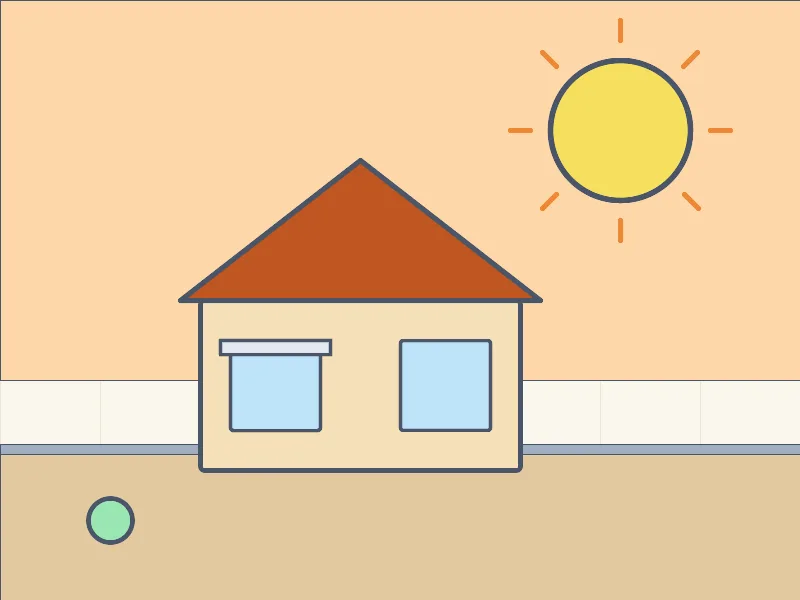
1. Close curtains and blinds on the sunny side of the house during the day.
2. Shade the outside of the glass if you can, with an awning, a shade cloth or shutters, since outside shade works better than inside.
3. Fit reflective film to west and south facing windows if you own the place.
4. Close the windows and doors during the hottest hours.
5. Open them again at night when the outside air is cooler.
3. Move the air
1. Use a fan to pull cool night air in through one window and push hot air out through another.
2. Point a fan at yourself rather than into an empty room, since moving air cools skin.
3. Run the ceiling fan counterclockwise in summer so it blows down.
4. Keep the fan on a stable surface and away from water.
5. Do not run a fan in a closed room with no airflow if the temperature is very high, since it can make dehydration worse.
4. Keep the cooling working
1. Change the AC filter before the first hot week.
2. Clear two feet around the outdoor condenser unit and hose off the fins if they are clogged.
3. Close the windows and doors while the AC runs.
4. Do not block the supply vents with furniture or curtains.
5. Check the condensate drain for clogs, since a full drain pan shuts the unit down.
5. Set up one cool room
1. Choose the lowest, shadiest room, often a basement or an interior bedroom.
2. Close the door to keep the cool air in.
3. Add a fan, a bowl of ice and a damp towel to cool the air.
4. Move bedding or a chair in so the hottest hours can be spent there.
5. Keep water and a phone charger in the room.
6. Cut the heat you make inside
1. Cook early in the morning or outside, and use the microwave instead of the oven.
2. Run the dishwasher and the dryer at night.
3. Switch to LED bulbs in rooms you use in the evening.
4. Hang laundry instead of running the dryer.
5. Keep the fridge and freezer closed as much as possible.
7. Use water and clothing properly
1. Drink water before you feel thirsty, and keep a bottle in every room.
2. Use a cool damp cloth on the neck, wrists and ankles.
3. Wear loose, light clothing, and a hat if you go out.
4. Take a cool shower, not an ice cold one, which can shock the body.
5. Skip alcohol and heavy meals during the hottest part of the day.
8. Plan for an outage
1. Know how to report an outage and keep the number handy.
2. Keep a battery fan, flashlights and water ready.
3. Have a plan to leave for a cool place if the indoor temperature keeps rising.
4. Keep freezer ice packs ready to use as cooling packs.
5. Never run a generator indoors or in the garage.
Our guide on keeping your house cool in summer covers the longer term fixes.
9. Know the signs and act
1. Watch for heavy sweating, weakness, dizziness, headache and nausea.
2. Move the person to the cool room, loosen clothing and apply cool water.
3. Give water if they are awake and alert.
4. Call emergency services if they are confused, faint or stop sweating.
5. Check on neighbors and older relatives twice a day during a heat wave.
Common mistakes
- Leaving windows open during the hottest hours.
- Running the oven in the middle of the day.
- Relying on a fan in a closed, very hot room.
- Forgetting that the AC filter and condenser need attention.
- Waiting until someone feels ill to set up a cool room.
Related guides
- How to Prepare Your Home for a Wildfire
- How to Prepare Your Home for a Winter Storm
- How to Prepare a Garage for Winter
- How to Install a Downspout Heat Cable
- How to Get an Attic Ready for Summer Heat
- How to Prepare Your Home for Hurricane Season
FAQ
At what indoor temperature is a house too hot?
Above about 80 F with high humidity, sleep and health get harder, and older people can be affected sooner. Watch the person, not just the thermometer.
Do fans help in a heat wave?
They help when air can move and you are not dehydrated. In a sealed, very hot room, they can add to heat stress.
Should I open the windows at night?
Yes, if the outside air is cooler and the home is safe to ventilate. Close them again in the morning.
How do I cool a room without AC?
Block the sun, pull in cooler night air, use a fan with a bowl of ice, and spend the hottest hours in the lowest, shadiest room.
More from this topic
- How to Prepare Your Home for a Tornado: Learn how to prepare your home for a tornado: pick a safe room, build a kit, secure the yard and know a watch...
- How to Prepare Your Home for a Flood Watch: Learn how to prepare your home for a flood watch: move valuables up, protect the utilities, clear the drains,...
- How to Prepare Your Home for Hurricane Season: Learn how to prepare your home for hurricane season: secure the roof and openings, clear drainage, trim trees...
- How to Store a Window Air Conditioner for Winter: Store a window air conditioner for winter by removing it or covering it in place, then clean, dry and seal it...
- How to Keep Your House Cool in Summer Without Constant AC: Learn how to keep your house cool in summer with shades, airflow, fans, sealing gaps, and smart habits that...
 SeasonalHow to Prepare Your Home for a TornadoLearn how to prepare your home for a tornado: pick a safe room, build a kit, secure the yard and know a watch from a warning.
 SeasonalHow to Prepare Your Home for a Flood WatchLearn how to prepare your home for a flood watch: move valuables up, protect the utilities, clear the drains, document the house and know your evacuation route.
 SeasonalHow to Prepare Your Home for Hurricane SeasonLearn how to prepare your home for hurricane season: secure the roof and openings, clear drainage, trim trees and build a supply kit.
 SeasonalHow to Store a Window Air Conditioner for WinterStore a window air conditioner for winter by removing it or covering it in place, then clean, dry and seal it so cold air stays out and it starts in spring.
 Heating and CoolingHow to Keep Your House Cool in Summer Without Constant ACLearn how to keep your house cool in summer with shades, airflow, fans, sealing gaps, and smart habits that cut indoor heat before it builds up.