
How to Repair a Chip in a Porcelain Sink
Part of: Basic plumbing
- Difficulty
- Easy
- Time
- 1 to 2 hours plus cure time
- Tools
- Two part porcelain epoxy putty, utility knife, rubbing alcohol, fine wet and dry paper, cotton swabs, gloves, small brush, touch up glaze or enamel paint
- Call a pro if
- The chip goes through the porcelain into the metal or the basin is cracked, since a crack will keep spreading.
In this guide
- Look at what the chip exposed
- Clean the chip out
- Wipe it with alcohol
- Pick a porcelain grade filler
- Mix a small amount
- Press it in and slightly proud
- Shape it before it hardens
- Let it cure fully
- Sand the patch level
- Blend the color
- Seal around it if the chip sits at a seam
- Know when to stop patching
- Prevent the next one
- Common mistakes
- FAQ
- When to call a pro
- Wear protection
- Chemical safety
A chip in a porcelain sink is usually a dropped tool or a pot edge, and it leaves a dark spot that catches your eye every time you walk in. The porcelain is a thin glass layer over iron or steel, so once it breaks the metal underneath can start to rust. How to repair a chip in a porcelain sink starts with what the chip exposed, since white under the glaze is shallow and gray or black means you are into the metal.
1. Look at what the chip exposed
1. White under the glaze means it is shallow.
2. Gray or black means you are into the metal.
2. Clean the chip out
1. Scrape loose flakes with a knife point.
2. Rinse and dry the area fully.
3. Wipe it with alcohol
1. Epoxy will not grip dust or soap film.
2. Let the alcohol flash off.
4. Pick a porcelain grade filler
1. Two part epoxy putty made for porcelain.
2. A general purpose filler will yellow.
5. Mix a small amount
1. Knead the two parts until the color is even.
2. Mix only what you can use in ten minutes.
6. Press it in and slightly proud
1. Overfill the chip by a hair.
2. Work it into the edges with a gloved finger.
7. Shape it before it hardens
1. A wet fingertip smooths the surface.
2. Wipe the surrounding glaze clean.
8. Let it cure fully
1. Twenty four hours before water hits it.
2. Warm rooms cure faster than cold ones.
9. Sand the patch level
1. Fine wet paper, used wet.
2. Light pressure, checking as you go.
10. Blend the color
1. A touch of enamel paint on the patch.
2. Feather it past the repair.
11. Seal around it if the chip sits at a seam
1. A bead of silicone at the wall joint.
2. Water sitting there will find any gap.
12. Know when to stop patching
1. A crack that runs means replacement.
2. A chip bigger than a coin rarely holds.
13. Prevent the next one
1. Do not drop tools into the basin.
2. A rubber mat in the bottom absorbs hits.
Common mistakes
- Filling a wet chip.
- Using plain white caulk.
- Sanding before the epoxy cures.
- Painting the whole basin instead of the patch.
- Ignoring a crack that keeps growing.
FAQ
Can a chipped porcelain sink be repaired permanently?
A shallow chip, yes. The epoxy holds for years if the surface was clean and dry.
Will the repair match the white?
Close, but not invisible. A touch of enamel paint closes the gap.
Can I use super glue?
No. It is brittle and water breaks it down.
When should I replace the sink?
When the chip is through the metal, or the basin is cracked.
Related guides
- How to Fill a Hole in Tile: Learn how to fill a hole in tile left by an anchor or a screw with epoxy putty or grout, and how to match the...
- Replace Bathroom Sink Drain: Step by Step: Leaking or corroded sink? Replace bathroom sink drain parts step by step, from removing the old flange to...
- How to Replace a Pop-Up Drain Stopper in a Bathroom Sink: Learn how to replace a pop-up drain stopper that will not hold water or will not lift. Remove the pivot rod...
- Slow Bathroom Sink Drain: How to Fix It: Slow bathroom sink drain? Remove the pop-up stopper, clear the hair and soap buildup and clean the trap....
- Bathroom Fan Not Working or Very Loud?: Bathroom fan not working or very loud? Try these safe checks: clean the cover, tighten the housing, check the...
 BathroomHow to Fill a Hole in TileLearn how to fill a hole in tile left by an anchor or a screw with epoxy putty or grout, and how to match the color so it disappears.
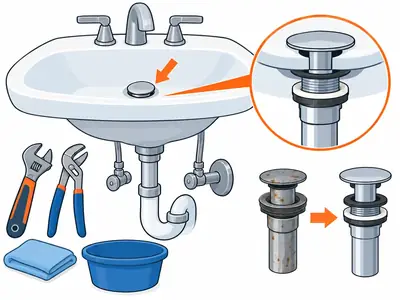 BathroomReplace Bathroom Sink Drain: Step by StepLeaking or corroded sink? Replace bathroom sink drain parts step by step, from removing the old flange to sealing the new one. Steps and safety tips included.
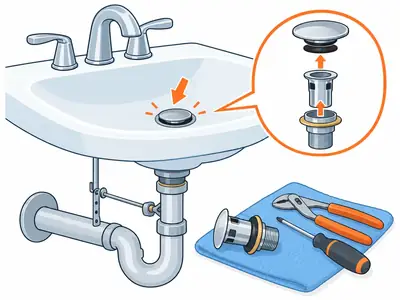 BathroomHow to Replace a Pop-Up Drain Stopper in a Bathroom SinkLearn how to replace a pop-up drain stopper that will not hold water or will not lift. Remove the pivot rod and old stopper and install a new one in minutes.
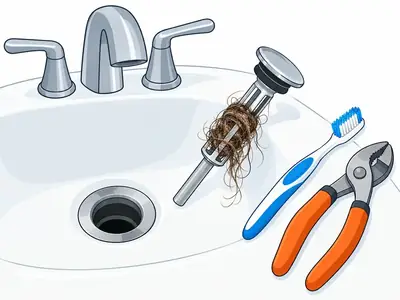 BathroomSlow Bathroom Sink Drain: How to Fix ItSlow bathroom sink drain? Remove the pop-up stopper, clear the hair and soap buildup and clean the trap. Steps, tools and when to call a plumber.
 BathroomBathroom Fan Not Working or Very Loud?Bathroom fan not working or very loud? Try these safe checks: clean the cover, tighten the housing, check the switch and know when to replace the fan.