
How to Secure a Bookshelf to a Wall
Part of: Tools and everyday fixes
- Difficulty
- Easy
- Time
- 20 to 45 minutes
- Tools
- Furniture strap or L bracket, stud finder, drill, driver bit, lag screws or long wood screws, pencil, level, flashlight, gloves
- Call a pro if
- The wall is masonry, plaster over lath with no studs you can find, or the shelf is taller than you can reach safely.
In this guide
- Empty the shelf
- Decide where it stands
- Find the studs
- Pick the hardware
- Check the shelf back
- Attach the strap to the shelf first
- Position the shelf and mark the wall
- Drill the pilot hole
- Fasten into the stud
- Do the second strap
- Test it
- Load it bottom heavy
- Recheck after a move or a deep clean
- Common mistakes
- Related guides
- FAQ
- When to call a pro
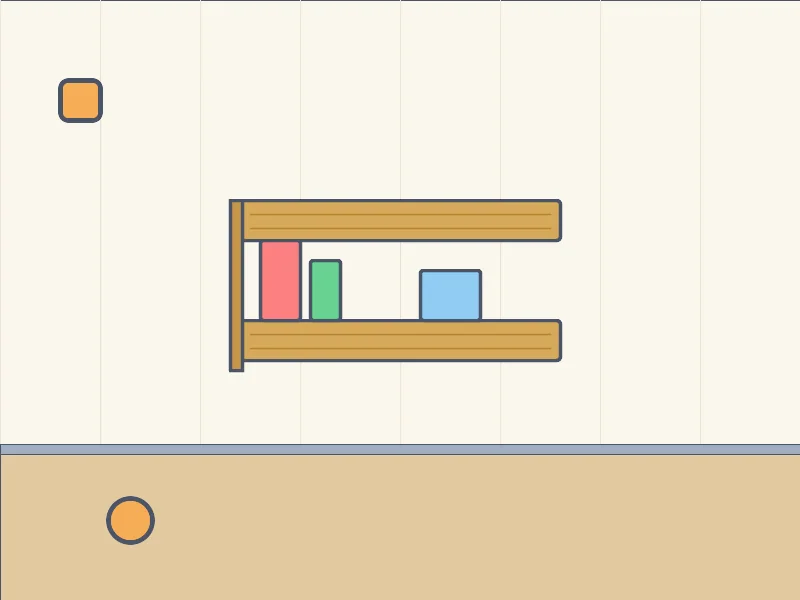
A loaded bookshelf is a lever. The weight sits high, the base is narrow, and a child pulling on a shelf or a drawer can bring the whole thing over. One strap and one stud stop that. How to secure a bookshelf to a wall starts by emptying it, because a full shelf is too heavy to shift alone.
1. Empty the shelf
1. Books come off first.
2. A full shelf is too heavy to shift alone.
2. Decide where it stands
1. Against a wall with framing behind it.
2. Never in front of a window or a heater.
3. Find the studs
1. Mark two studs inside the shelf width.
2. Check the marks twice, from both directions.
4. Pick the hardware
1. A metal strap for a tall bookcase.
2. An L bracket for a low one.
5. Check the shelf back
1. Thin hardboard backs split easily.
2. Add a wood block inside the top for the screw to bite.
6. Attach the strap to the shelf first
1. Screw the short leg into the top or the back rail.
2. Two screws minimum.
7. Position the shelf and mark the wall
1. Push it against the wall.
2. Hold the strap flat and mark the hole.
8. Drill the pilot hole
1. Pilot the size of the screw shank.
2. Deep enough to start the screw straight.
9. Fasten into the stud
1. A lag screw or a long wood screw.
2. Two inches into the stud is plenty.
10. Do the second strap
1. One strap holds, two straps last.
2. Space them near the outer edges.
11. Test it
1. Push the top toward the wall and away.
2. The shelf should not rock at all.
12. Load it bottom heavy
1. Heavy books low, light items high.
2. The center of weight stays down.
13. Recheck after a move or a deep clean
1. Straps get left off when a shelf is pulled out.
2. Refit before it goes back against the wall.
Common mistakes
- Screwing into drywall only.
- Using one strap on a tall shelf.
- Attaching to a thin hardboard back.
- Leaving a gap between shelf and wall.
- Loading heavy books at the top.
Related guides
FAQ
Do I need to anchor a short bookshelf?
Any shelf taller than about three feet should be anchored.
Can I use drywall anchors?
Only if there is no stud, and then use a heavy duty toggle, never a plastic plug.
What if the shelf is metal?
Use the manufacturer's strap or a metal bracket bolted through the frame.
Can I anchor without drilling?
No. A strap that is not screwed to framing does nothing.
More from this topic
- How to Prevent an Appliance From Tipping: Learn how to prevent an appliance from tipping with the anti tip bracket, a stud, and the checks that keep a...
- How to Anchor Furniture to the Wall (Anti-Tip Safety): Anchor furniture to the wall with anti-tip straps or L-brackets screwed into studs, protecting children and...
- How to Anchor a Swing Set So It Stays Put: Learn how to anchor a swing set: choose ground anchors or concrete footings, set each leg firmly, and test...
- How to Childproof a Rental Apartment: Learn how to childproof a rental apartment: crawl the rooms at floor level, anchor furniture, lock cabinets,...
- How to Install a Door Chain Lock: Learn how to install a door chain lock so the door opens a few inches and no further, with the height and...
 Home SafetyHow to Prevent an Appliance From TippingLearn how to prevent an appliance from tipping with the anti tip bracket, a stud, and the checks that keep a stove, fridge or dresser from falling.
 SafetyHow to Anchor Furniture to the Wall (Anti-Tip Safety)Anchor furniture to the wall with anti-tip straps or L-brackets screwed into studs, protecting children and pets from dresser and bookcase tip-overs.
 Garage and OutdoorsHow to Anchor a Swing Set So It Stays PutLearn how to anchor a swing set: choose ground anchors or concrete footings, set each leg firmly, and test the frame before the first swing.
 First HomeHow to Childproof a Rental ApartmentLearn how to childproof a rental apartment: crawl the rooms at floor level, anchor furniture, lock cabinets, guard outlets and secure windows without damage.
 Home SafetyHow to Install a Door Chain LockLearn how to install a door chain lock so the door opens a few inches and no further, with the height and screw placement that make it hold.