
How to Prevent an Appliance From Tipping
Part of: Tools and everyday fixes
- Difficulty
- Easy
- Time
- 30 to 60 minutes
- Tools
- Anti tip bracket kit, stud finder, drill, driver bit, lag screws, level, tape measure, flashlight, gloves
- Call a pro if
- The wall behind the appliance is masonry, or the bracket has to attach to a floor that you cannot drill.
In this guide
- Find out if the bracket is already there
- Read the model plate
- Shut off what feeds it
- Locate the stud
- Mark the bracket height
- Drill pilot holes
- Fasten with the lag screws
- Slide the appliance back onto the bracket
- Test it properly
- Do the same for the fridge
- Handle a dresser or a bookshelf
- Check the stove bracket separately
- Recheck after moving the appliance
- Common mistakes
- Related guides
- FAQ
- When to call a pro
- Power off first
- Gas safety
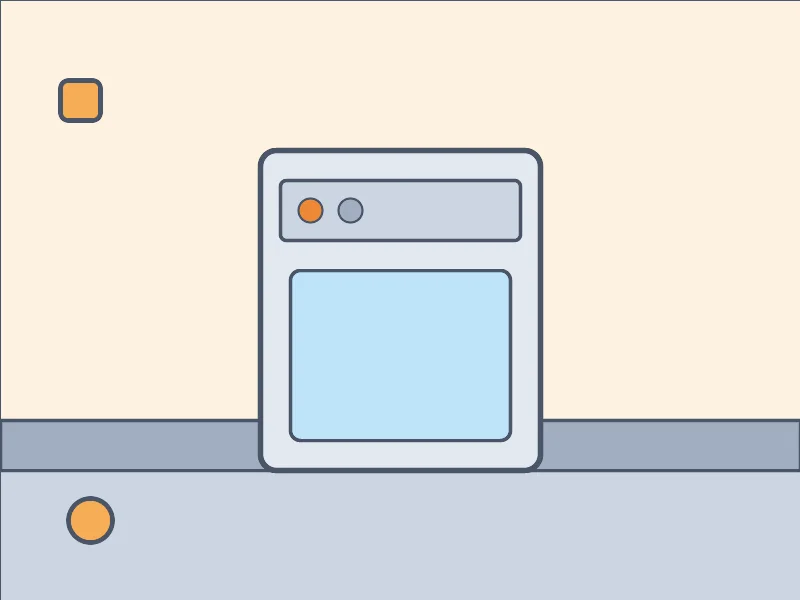
A range, a fridge or a tall dresser can tip forward with very little pull. A child climbing on an open oven door is the classic case, and the bracket that stops it costs less than lunch. How to prevent an appliance from tipping starts by finding out whether the anti-tip bracket is already there, on the floor behind the appliance.
1. Find out if the bracket is already there
1. Pull the appliance out and look at the floor behind it.
2. Most ranges ship with a bracket in the paperwork bag.
2. Read the model plate
1. The plate tells you which bracket fits.
2. A universal kit fits most ranges.
3. Shut off what feeds it
1. Unplug an electric range.
2. Close the gas valve on a gas one.
4. Locate the stud
1. The bracket must hit framing, not drywall.
2. A stud finder marks the center.
5. Mark the bracket height
1. Follow the template in the kit.
2. The bracket has to catch the rear leg or the back frame.
6. Drill pilot holes
1. A pilot hole stops the lag splitting the stud.
2. Bit size comes with the kit.
7. Fasten with the lag screws
1. Two lags into a stud hold a range.
2. Do not substitute drywall anchors.
8. Slide the appliance back onto the bracket
1. The rear foot has to sit inside the bracket.
2. Push until it stops.
9. Test it properly
1. Press down on the open door edge.
2. The front should not lift off the floor.
10. Do the same for the fridge
1. Fridges use a leg mounted bracket or a wall strap.
2. Both are in the install kit.
11. Handle a dresser or a bookshelf
1. A strap from the top back to a stud.
2. Two points, not one.
12. Check the stove bracket separately
1. Some stoves need a floor mounted bracket.
2. The rear leveling leg locks into it.
13. Recheck after moving the appliance
1. Cleaning behind a range often pulls it off the bracket.
2. Push it back until it engages.
Common mistakes
- Anchoring into drywall only.
- Using the bracket upside down.
- Leaving the appliance an inch off the bracket.
- Skipping the fridge because it feels heavy.
- Strapping a dresser to a hollow wall.
Related guides
FAQ
Do all ranges need an anti tip bracket?
Yes. It is required hardware and it comes in the box.
Can I use drywall anchors for the bracket?
No. It has to reach a stud or solid blocking.
What if there is no stud where the bracket goes?
Add a wood block across two studs and mount the bracket to that.
How do I know the bracket engaged?
The appliance stops short and will not rock forward when you press the door.
More from this topic
- How to Secure a Bookshelf to a Wall: Learn how to secure a bookshelf to a wall with a strap or a bracket into a stud, so a loaded shelf cannot tip...
- How to Anchor Furniture to the Wall (Anti-Tip Safety): Anchor furniture to the wall with anti-tip straps or L-brackets screwed into studs, protecting children and...
- How to Check for Appliance Recalls: Learn how to check for appliance recalls: find your model number, search the official recall list, sign up...
- How to Make a Bathtub Non-Slip: Make a bathtub non-slip with adhesive treads, a quality bath mat, or a permanent anti-slip coating, plus grab...
- How to Prevent a Dryer Fire in Your Home: Learn how to prevent a dryer fire: clean the lint screen every load, clear the vent, spot warning signs and...
 Home SafetyHow to Secure a Bookshelf to a WallLearn how to secure a bookshelf to a wall with a strap or a bracket into a stud, so a loaded shelf cannot tip forward onto anyone.
 SafetyHow to Anchor Furniture to the Wall (Anti-Tip Safety)Anchor furniture to the wall with anti-tip straps or L-brackets screwed into studs, protecting children and pets from dresser and bookcase tip-overs.
 SafetyHow to Check for Appliance RecallsLearn how to check for appliance recalls: find your model number, search the official recall list, sign up for alerts and follow the maker's safety steps.
 BathroomHow to Make a Bathtub Non-SlipMake a bathtub non-slip with adhesive treads, a quality bath mat, or a permanent anti-slip coating, plus grab bars for real stability.
 SafetyHow to Prevent a Dryer Fire in Your HomeLearn how to prevent a dryer fire: clean the lint screen every load, clear the vent, spot warning signs and use your dryer safely.