
How to Start a Lawn Mower That Will Not Start
Part of: Outdoors and garage
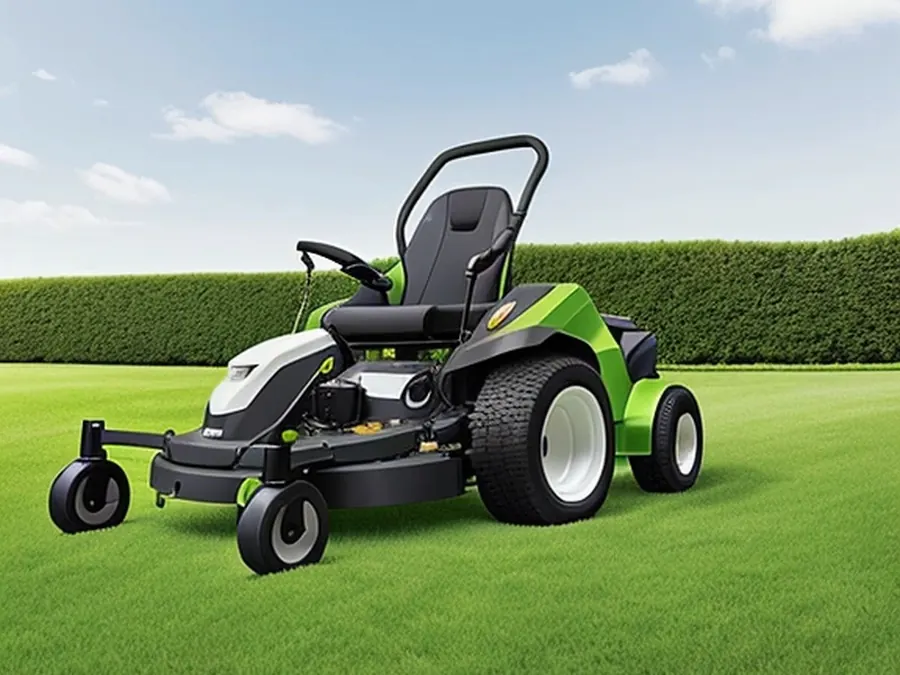
- Difficulty
- Easy
- Time
- About 20 minutes for the basic checks
- Tools
- Fresh fuel, a spark plug wrench, a screwdriver and a clean rag
- Call a pro if
- The engine still will not start after fresh fuel, a new plug and a clean filter, or you hear grinding or smell burning when it turns over.
In this guide
When a mower will not start, the problem is nearly always fuel, spark or air, and you can check all three in 20 minutes. Work through the simple causes first; most no-start mowers never need a shop. How to start a lawn mower starts with the fuel, since old gas is the number one cause and fuel goes stale in about a month.
1. Check the fuel first
1. Old gas is the number one cause; fuel goes stale in about a month.
2. Open the cap and smell the fuel from a short distance; sour or varnish-smelling gas is bad. Never use a flame or a match to check fuel.
3. Drain stale fuel into a container and refill with fresh gas.
4. Add fuel stabilizer to any gas that will sit longer than a few weeks.
2. Prime and choke correctly
1. Press the primer bulb two or three times, no more; over-priming floods the engine.
2. Set the choke to full for a cold start.
3. A warm engine needs no choke and no primer.
4. If you flooded it, wait 10 minutes and pull with the choke off.
3. Check the spark plug
1. Disconnect the wire and unscrew the plug with a spark plug wrench.
2. Look for a black, oily or corroded tip; a dirty plug sparks weakly or not at all.
3. Clean it with a wire brush or replace it; plugs are cheap.
4. Check the gap against the manual and reconnect the wire firmly.
4. Clean or replace the air filter
1. Open the filter cover; a clogged filter starves the engine of air.
2. Tap paper filters clean or replace them if they are dark and oily.
3. Wash foam filters in soapy water, dry and re-oil lightly.
4. A filter costs little and solves a surprising share of no-starts.
5. Check the safety systems
1. The bail bar must be held down or the engine cannot run.
2. Make sure the bail cable moves freely and the bar springs back.
3. Confirm the spark plug wire is pushed fully onto the plug.
4. Some mowers will not start with a full bag or the discharge blocked.
6. Look at the carburetor last
1. If fuel, spark and air check out, the carburetor is the usual suspect.
2. Varnish from old gas clogs the tiny jets inside.
3. A fuel system cleaner in fresh gas sometimes clears a mild clog.
4. A badly gummed carburetor needs a cleaning or rebuild, a fair job for a small-engine shop.
7. Prevent the next no-start
1. Use fresh fuel and add stabilizer, especially for the last fill of the season.
2. Run the mower dry or drain the tank before winter storage.
3. Replace the plug and filter once a season.
4. Store the mower dry and covered so moisture stays out of the works.
Common mistakes
- Cranking on month-old gas, then blaming the mower when the fuel is the fault.
- Flooding the engine with 10 primer pushes, making the problem worse.
- Replacing parts before checking the bail bar and the plug wire connection.
- Storing the mower with a full tank of untreated gas, which guarantees spring trouble.
FAQ
Why does my mower start then die?
Usually a clogged carburetor jet or a dirty air filter starving the engine. Try a fresh filter and fuel system cleaner; a full clog needs a carburetor cleaning.
How long does gas last in a mower?
About 30 days untreated. With stabilizer, several months. When in doubt, drain and refill with fresh fuel before any other repair.
Should I use the choke on a warm engine?
No. Choke is for cold starts. Choking a warm engine floods it, which is why a mower restarted after a short break often refuses.
When is it worth repairing a mower?
A plug, filter or fuel cleaning is always worth it. For a major engine or transmission repair, compare the quote against the cost of a replacement mower.
Related guides
- How to Start Seeds Indoors for a Stronger Garden: Learn how to start seeds indoors: pick containers and mix, time sowing, give light and warmth, thin and...
- How to Water a Lawn Properly: How Much, How Often, and When: Learn how to water a lawn properly: deep and infrequent soaks, the best time of day, a simple tuna can test,...
- How to Clean and Store a Lawn Mower for Winter: Learn how to clean and store a lawn mower for winter: drain or treat the fuel, clean the deck, change the...
- How to Fix a Sprinkler Head That Won't Spray Evenly: Learn how to fix a sprinkler head that won't spray evenly: clear the filter and nozzle, check the pressure...
- How to Fix a Washing Machine That Won't Agitate: How to fix a washing machine that won't agitate: check the agitator dogs, lid switch and drive belt before...
 Garage and OutdoorsHow to Start Seeds Indoors for a Stronger GardenLearn how to start seeds indoors: pick containers and mix, time sowing, give light and warmth, thin and harden off seedlings, and move them out safely.
 Garage and OutdoorsHow to Water a Lawn Properly: How Much, How Often, and WhenLearn how to water a lawn properly: deep and infrequent soaks, the best time of day, a simple tuna can test, and how to spot overwatering and underwatering.
 Garage and OutdoorsHow to Clean and Store a Lawn Mower for WinterLearn how to clean and store a lawn mower for winter: drain or treat the fuel, clean the deck, change the oil, sharpen the blade and store it dry.
 Garage and OutdoorsHow to Fix a Sprinkler Head That Won't Spray EvenlyLearn how to fix a sprinkler head that won't spray evenly: clear the filter and nozzle, check the pressure and replace a damaged head.
 KitchenHow to Fix a Washing Machine That Won't AgitateHow to fix a washing machine that won't agitate: check the agitator dogs, lid switch and drive belt before you call the repair.