
How to Water a Lawn Properly: How Much, How Often, and When
Part of: Outdoors and garage
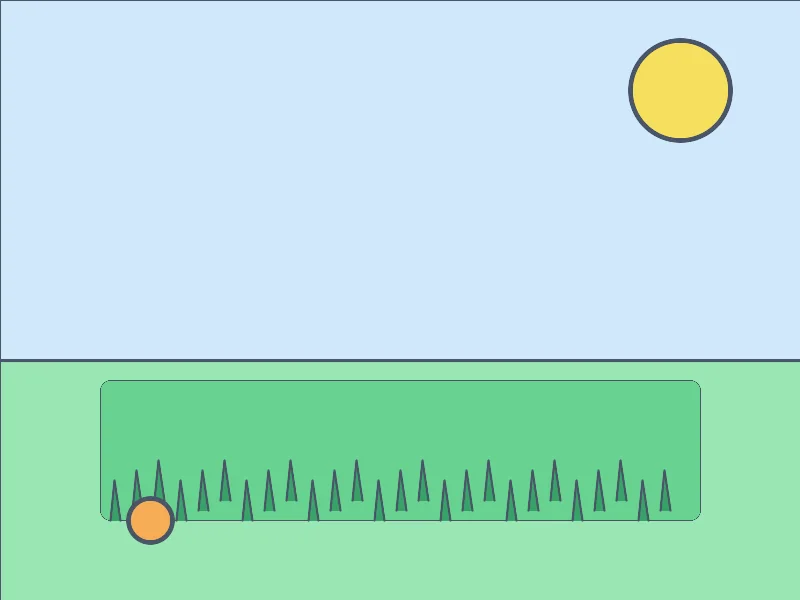
- Difficulty
- Easy
- Time
- 15 minutes to test, then routine watering
- Tools
- Hose and sprinkler or irrigation controller, empty shallow cans, ruler, screwdriver, timer
- Call a pro if
- Sprinkler heads leak or will not pop up, zones do not turn on, the lawn is soggy after a normal cycle, or large areas keep dying despite watering.
In this guide
Most lawns get either too little water or too much, in short bursts. Roots stay shallow and the grass struggles in heat. When you water a lawn properly, you train the roots to go deep. Here is a simple plan.
The basic rule
Water deeply and less often. Many lawns do well with about one inch of water per week, from rain and irrigation together. Your grass type, soil, and weather change this. Sandy soil dries fast and clay holds water longer, so adjust by watching the lawn.
Measure your sprinkler
Not every sprinkler puts out the same amount. Try this test.
1. Set out several empty shallow cans or containers around the lawn, at different distances from the sprinkler.
2. Run the sprinkler for 15 minutes.
3. Measure the water depth in each can with a ruler.
4. Multiply to find how long it takes to put down an inch.
If the cans fill unevenly, adjust or move the sprinkler. If a sprinkler head does not work, see sprinkler head not popping up.
Pick the best time
Early morning is best, usually before 10. Water soaks in and the grass dries during the day, which reduces disease. Midday water can evaporate, and evening watering can leave the lawn wet overnight. Follow any local watering rules.
Check the soil
Push a screwdriver into the soil after you water. It should slide in easily to about six inches. If it stops short, water longer. If the soil is soggy, cut back. Also look at the grass. Dull blue gray color and footprints that stay visible mean it needs water.
Step by step
1. Test your output with the can test.
2. Set the schedule. Aim for one to two deep waterings a week instead of daily sprinkles.
3. Water until the top several inches are damp.
4. Adjust for rain. Skip a day after heavy rain.
5. Adjust for heat. Water a bit more in hot, dry weeks.
6. Check for runoff. If water runs off before it soaks in, water in two shorter cycles with a break.
7. Update by season. Reduce in fall and stop when the ground freezes.
Signs of overwatering
- Soggy soil and puddles
- Mushrooms, moss, or algae
- Thin, yellowing grass
- Fungus and disease patches
Signs of underwatering
- Grass that stays flat after you walk on it
- Gray green or brown color
- Dry, cracked soil
Fix common problems
- Puddles: improve drainage or aerate. See downspout drainage.
- Leaks in the irrigation system: repair them promptly. See sprinkler valve leaking or stuck open.
- Bare spots: see how to fix bare patches in a lawn.
Save water
Mulch beds to keep moisture in. See how to mulch garden beds. Mow higher in summer, and fix any dripping faucet or hose. See how to fix a leaking garden hose.
FAQ
How long should I water each time?
Long enough to put down about half an inch to an inch, depending on your schedule. Use the can test to find the time.
Is it okay to water every day?
Not for most lawns. Shallow daily watering keeps roots shallow.
Should I water after mowing?
Not necessary. Water when the lawn needs it.
Does new seed need different watering?
Yes. New seed needs light, frequent watering until it sprouts.
Related guides
- How to Overseed a Lawn for Thicker Grass and Fewer Weeds: Learn how to overseed a lawn: pick the best time, prepare the soil, spread the right seed, keep it damp, and...
- Repair Sprinkler Pipe: Cut Out the Damage and Fit a Coupling: Geyser in the lawn? Repair sprinkler pipe damage: call 811 before digging, cut out the break and fit a...
- Sprinkler Head Not Popping Up: How to Fix It: Sprinkler head not popping up? Clean the head, clear the filter and check the pressure. Steps, tools, and...
- How to Fix a Sprinkler Head That Won't Spray Evenly: Learn how to fix a sprinkler head that won't spray evenly: clear the filter and nozzle, check the pressure...
- How to Clean a Birdbath: Learn how to clean a birdbath: scrub algae safely, keep water fresh, and protect visiting birds from...
 Garage and OutdoorsHow to Overseed a Lawn for Thicker Grass and Fewer WeedsLearn how to overseed a lawn: pick the best time, prepare the soil, spread the right seed, keep it damp, and mow gently so thin grass fills in.
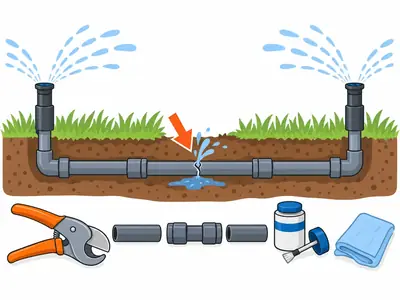 Garage and OutdoorsRepair Sprinkler Pipe: Cut Out the Damage and Fit a CouplingGeyser in the lawn? Repair sprinkler pipe damage: call 811 before digging, cut out the break and fit a coupling that lasts. Steps and safety tips included.
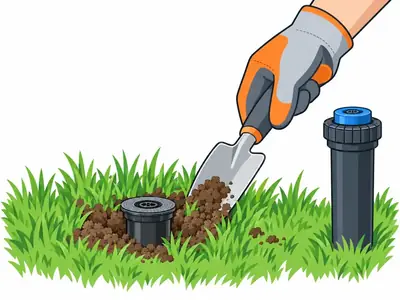 Garage and OutdoorsSprinkler Head Not Popping Up: How to Fix ItSprinkler head not popping up? Clean the head, clear the filter and check the pressure. Steps, tools, and safety tips before you dig near lines.
 Garage and OutdoorsHow to Fix a Sprinkler Head That Won't Spray EvenlyLearn how to fix a sprinkler head that won't spray evenly: clear the filter and nozzle, check the pressure and replace a damaged head.
 Garage and OutdoorsHow to Clean a BirdbathLearn how to clean a birdbath: scrub algae safely, keep water fresh, and protect visiting birds from disease.