
How to Stop a Wood Fence From Rotting
Part of: Outdoors and garage
- Difficulty
- Easy
- Time
- 3 to 6 hours plus drying
- Tools
- Shovel, brush, wood preservative or stain, paintbrush, scraper, gravel, drill, gloves, eye protection
- Call a pro if
- Several posts are soft at the base, since posts that have rotted through need replacing, not treating.
In this guide
- Wear protection
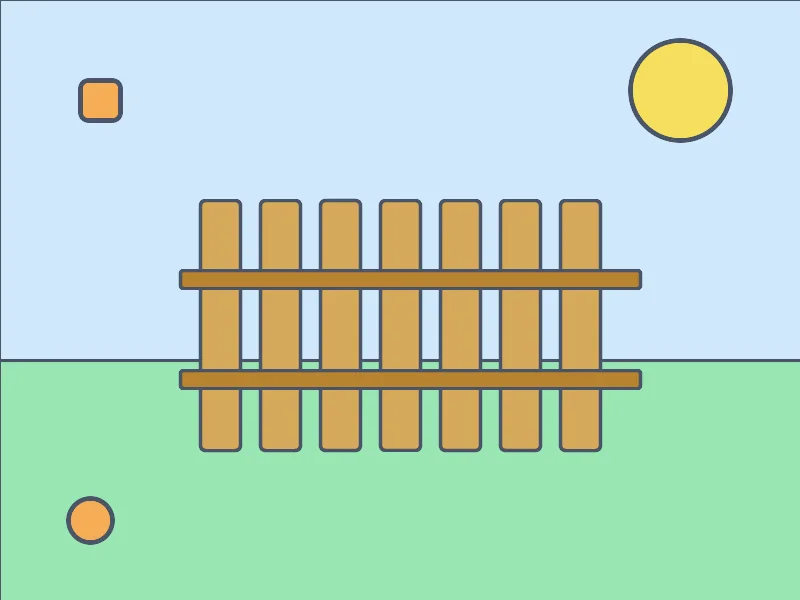
Wood rot needs three things: water, food and no air. A fence gets all three at the base, where soil holds moisture against the post and the end grain soaks it up like a straw. Fix those two spots and a fence lasts decades longer. Here is how to stop a wood fence from rotting.
1. Find the early rot
1. Push a screwdriver into the base of each post.
2. Soft wood means rot has started.
3. Look for dark staining and a musty smell.
4. Check the bottom rail and the board ends.
5. Mark the posts that are sound but damp.
2. Get soil off the wood
1. Dig soil back from each post base.
2. Aim for a couple of inches of exposed wood.
3. Slope the soil away so water runs off.
4. Do not mound soil against the fence.
5. This one step prevents most post rot.
3. Replace soil with gravel
1. Put a shallow layer of gravel at the base.
2. Gravel drains and lets the wood dry.
3. Keep the gravel below the bottom rail.
4. Do not bury the post in mulch.
4. Open up the airflow
1. Trim plants growing against the fence.
2. Keep vines off the boards.
3. Leave a gap under the bottom board.
4. Do not stack firewood against the fence.
5. Air moving past wet wood is what dries it.
5. Seal the end grain
1. End grain soaks water faster than the face.
2. Cut posts and rails soak up water at the top.
3. Cap posts or slope the cut so water runs off.
4. Seal every fresh cut with preservative.
5. Do this whenever you cut a board.
6. Treat the wood
1. Clean the fence with a brush and water.
2. Let it dry for a couple of days.
3. Apply a penetrating stain or preservative.
4. Work it into the joints and the bottom edges.
5. Two thin coats beat one thick one.
7. Fix the water source
1. Check the gutter outlets near the fence.
2. Point downspouts away from the fence line.
3. Regrade soil so it does not pond at the fence.
4. A fence in a low wet spot will always struggle.
8. Repair small rot
1. Scrape out soft wood.
2. Let the area dry.
3. Fill with an epoxy wood filler made for exterior use.
4. Shape it and seal it.
5. Rot that goes deep into a post needs a new post.
9. Replace what is gone
1. A post rotted through the base cannot be saved.
2. Set the new post on gravel, not soil.
3. Use treated lumber for anything in contact with the ground.
10. Keep up with it
- Check the post bases each spring.
- Treat the fence every few years.
- Keep plants trimmed back.
- Recheck after winter.
- Fix a loose board before water gets behind it.
Common mistakes
- Mounding soil or mulch against the base.
- Skipping the end grain when sealing.
- Treating wet wood.
- Letting vines grow over the boards.
- Painting over rot instead of removing it.
FAQ
What causes wood fence rot?
Constant moisture, soil contact and no airflow, mostly at the post base and the end grain.
Does staining stop rot?
It slows water absorption. It does not fix a post that already sits in wet soil.
Should fence posts sit in concrete?
Concrete holds them firm, but the post still needs to drain and stay clear of soil.
How long does a treated wood fence last?
Often 15 to 20 years, longer with the base kept dry and the wood treated.
Related guides
- How to Clean a Wooden Garden Gate: Learn how to clean a wooden garden gate: wash off grime and green growth, treat the bare spots and keep the...
- How to Split Firewood: Learn how to split firewood: choose the right tools, read the grain, swing safely, and season your wood for...
- How to Check Your Home for Exterior Wood Rot: How to check your home for exterior wood rot: probe the spots that fail first, tell rot from stain, and know...
- How to Clean a Wood Fence: Learn how to clean a wood fence: wash off dirt and mildew with the right mix, scrub along the grain, rinse...
- How to Repair a Fence Post That Is Loose: Learn how to repair a fence post that is loose: diagnose rot versus soil, brace and reset the post, add...
 Garage and OutdoorsHow to Clean a Wooden Garden GateLearn how to clean a wooden garden gate: wash off grime and green growth, treat the bare spots and keep the wood protected.
 Garage and OutdoorsHow to Split FirewoodLearn how to split firewood: choose the right tools, read the grain, swing safely, and season your wood for winter.
 Garage and OutdoorsHow to Check Your Home for Exterior Wood RotHow to check your home for exterior wood rot: probe the spots that fail first, tell rot from stain, and know when a repair is small and when it is not.
 Garage and OutdoorsHow to Clean a Wood FenceLearn how to clean a wood fence: wash off dirt and mildew with the right mix, scrub along the grain, rinse the plants and let the wood dry before treating.
 Garage and OutdoorsHow to Repair a Fence Post That Is LooseLearn how to repair a fence post that is loose: diagnose rot versus soil, brace and reset the post, add concrete, and stop water at the base.