
How to Use an Oscillating Multi Tool
Part of: Outdoors and garage
- Difficulty
- Easy
- Time
- 15 to 45 minutes
- Tools
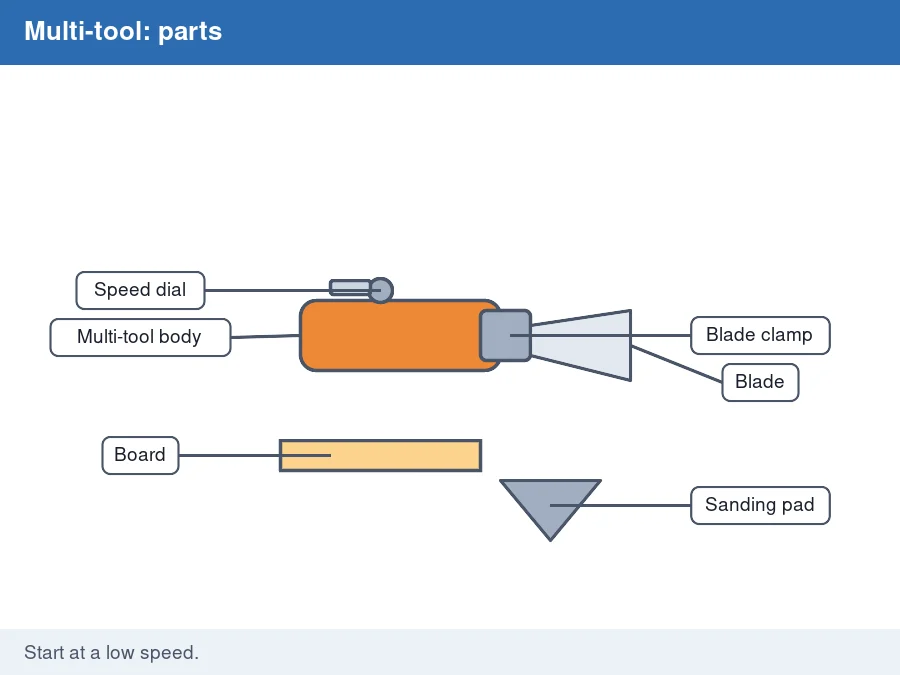
- Oscillating multi tool, wood and metal blades, sanding pad, safety glasses, dust mask, hearing protection, clamp
- Call a pro if
- The cut is structural or you cannot see what is behind the material, since the blade cuts blind.
In this guide
- Pick the right blade
- Fit the blade properly
- Mark the cut
- Start at a low speed
- Let the blade do the work
- Make a plunge cut carefully
- Cut flush under a jamb
- Cut a nail with a bi-metal blade
- Sand with the pad
- Watch the blade heat
- Clean up the dust
- Store the blades
- Undercut a door casing for new flooring
- Remove old adhesive
- Common mistakes
- Related guides
- FAQ
- When to call a pro
- Power off first
- Wear protection
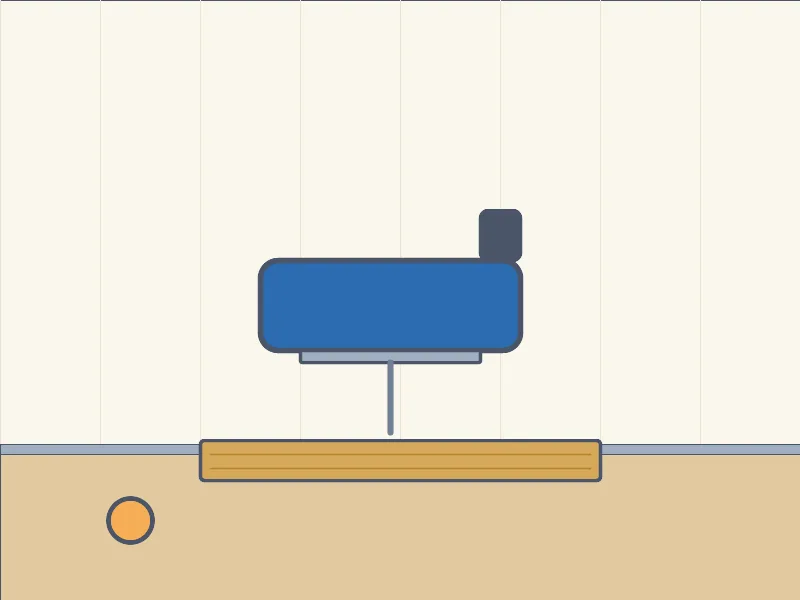
An oscillating multi tool cuts flush against a surface where no saw will fit: under a door jamb, along a baseboard, through a nail. It is not fast, and it will not cut straight through a thick board. Used for what it is good at, it saves a whole afternoon. Here is how to use an oscillating multi tool.
1. Pick the right blade
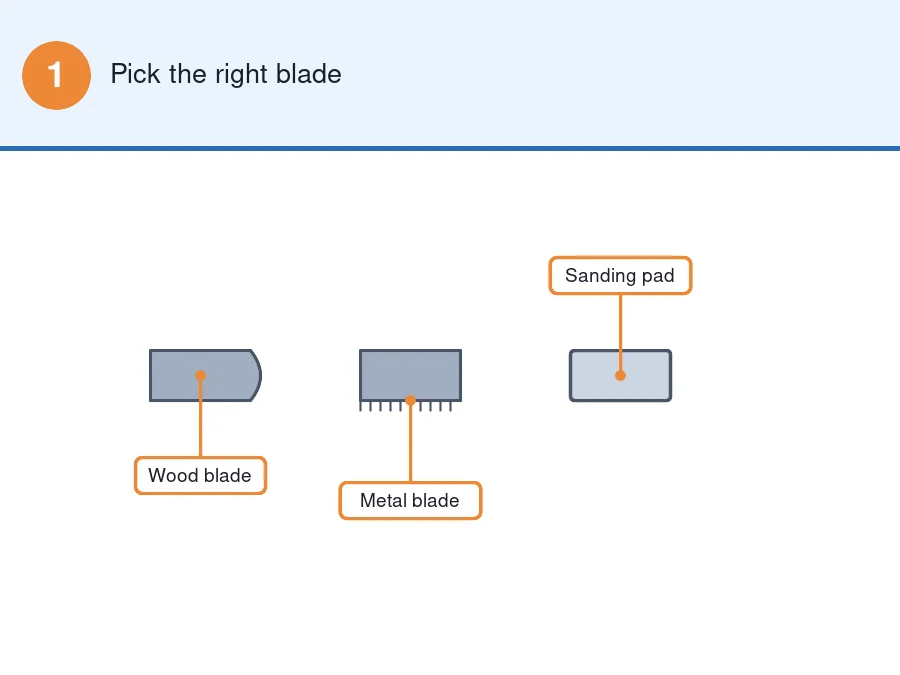
1. A wood blade for trim and flooring.
2. A bi-metal blade for nails and metal.
3. A scraping blade for adhesive.
2. Fit the blade properly
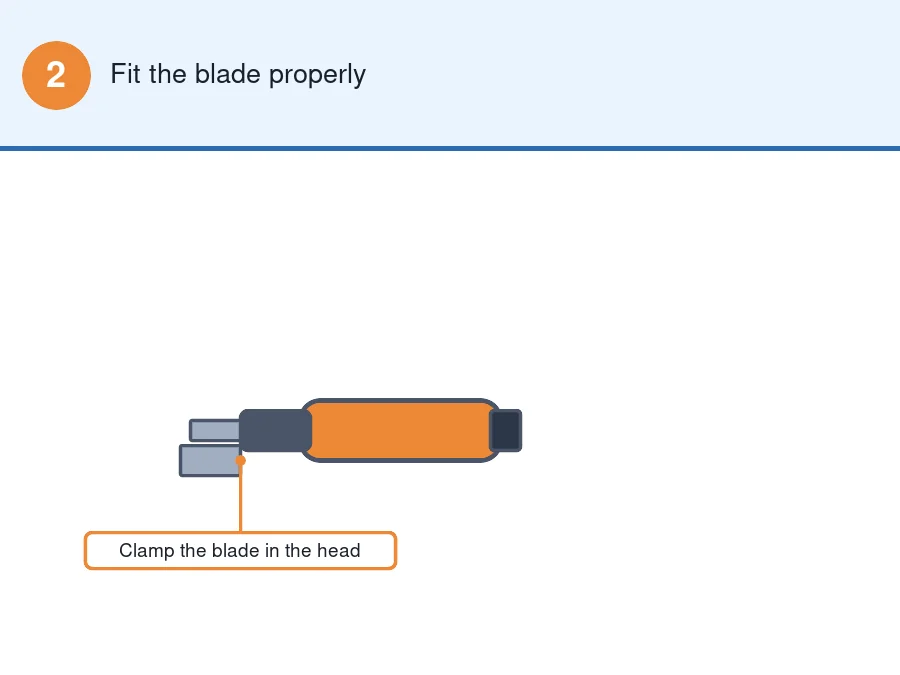
1. Unplug the tool first.
2. Seat the blade on the pins.
3. Tighten it firmly.
3. Mark the cut
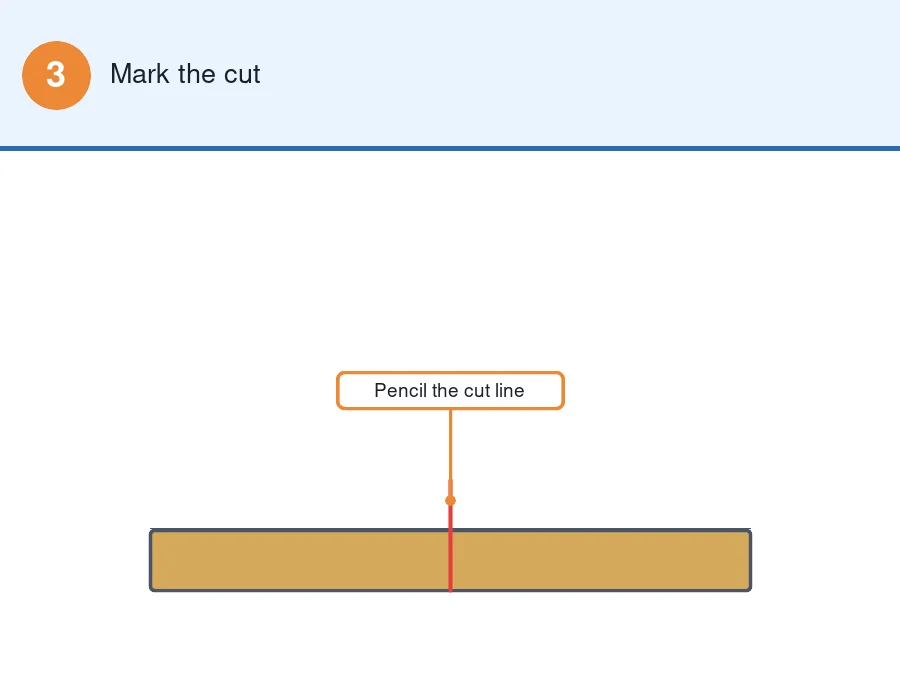
1. Pencil or tape the line.
2. Tape protects the surface from the blade.
4. Start at a low speed
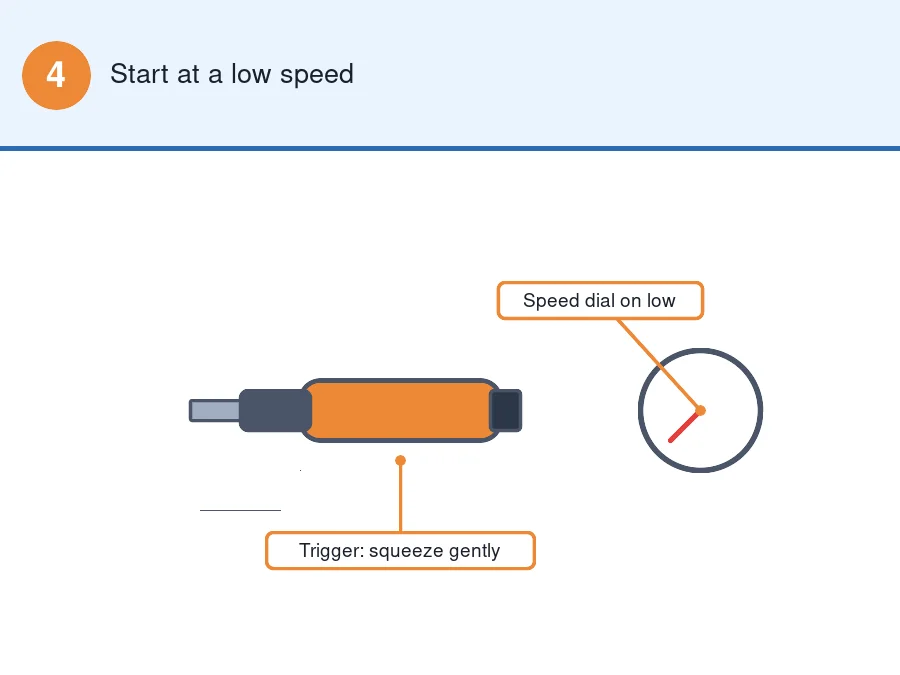
1. Low speed gives control.
2. Speed up once the blade is in the cut.
5. Let the blade do the work
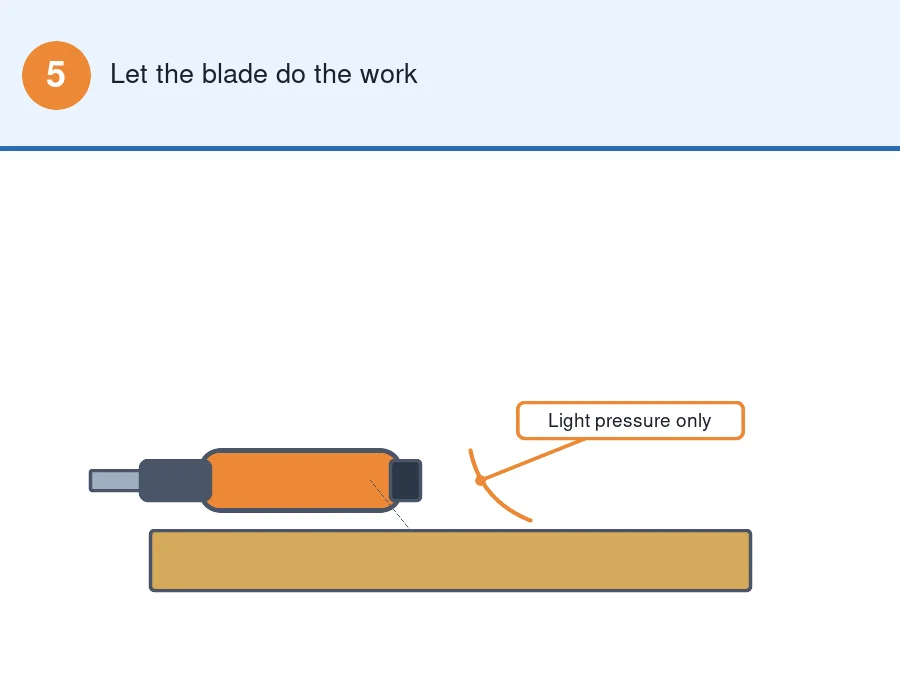
1. Light pressure only.
2. Pushing overheats the blade and warps it, which is what makes the next cut wander.
6. Make a plunge cut carefully
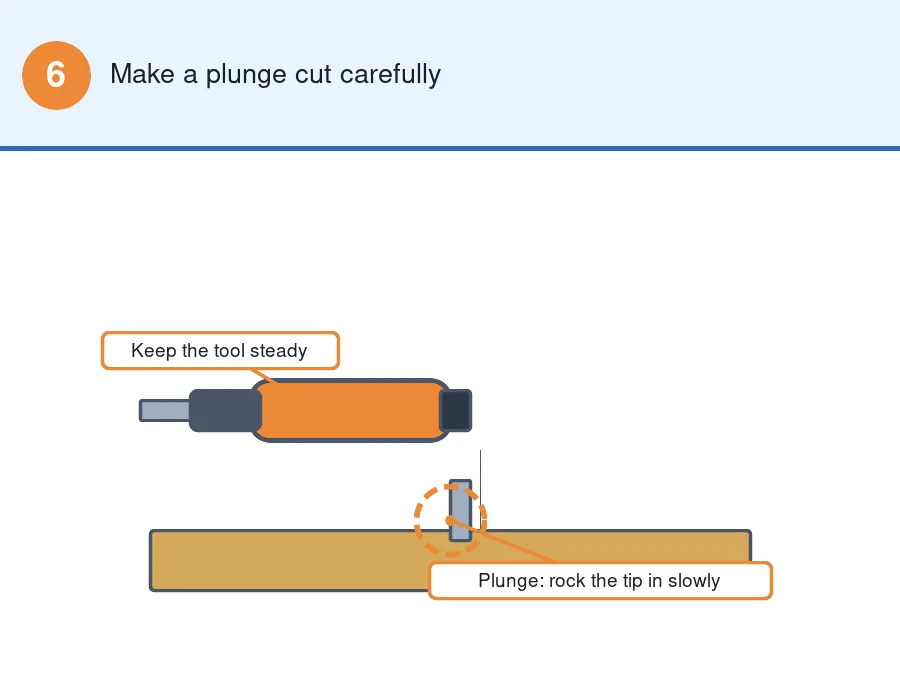
1. Tilt the blade so the tip touches first.
2. Lower it into the material.
7. Cut flush under a jamb
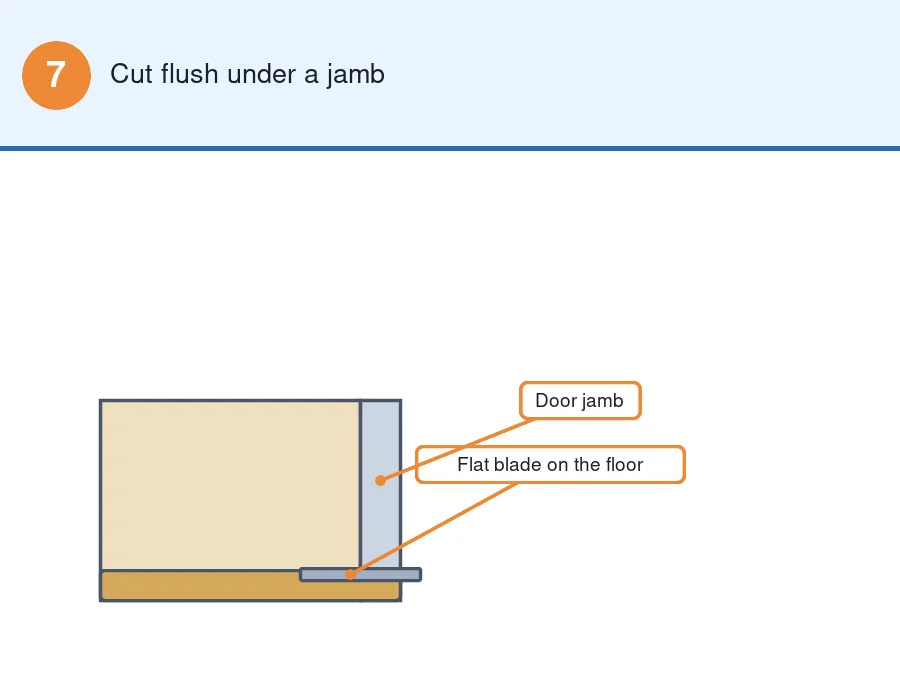
1. Lay the blade flat on the floor.
2. Cut the jamb off at floor height.
8. Cut a nail with a bi-metal blade
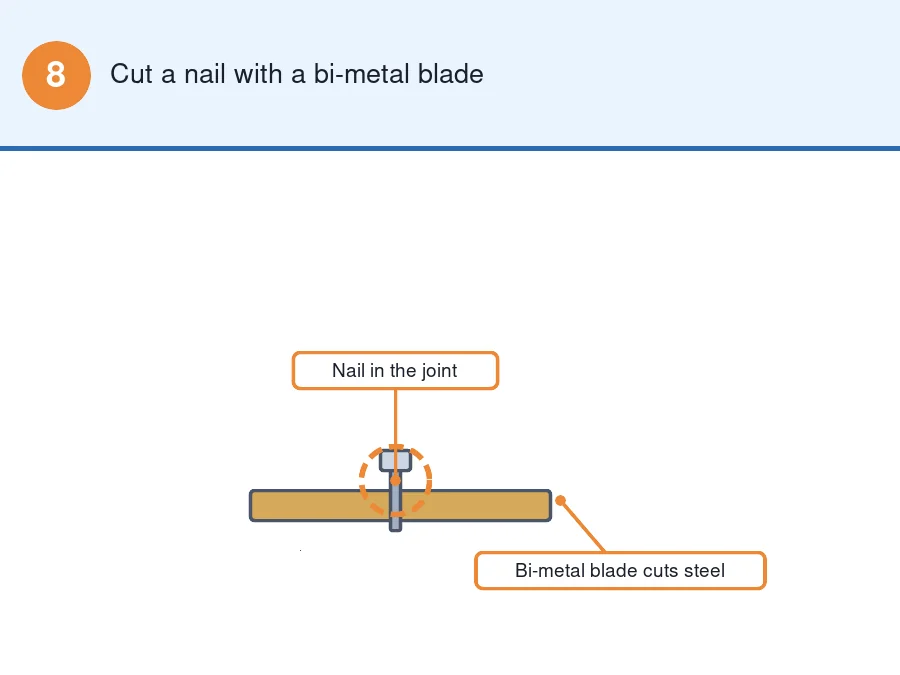
1. Switch to the metal blade.
2. Keep the speed moderate.
9. Sand with the pad
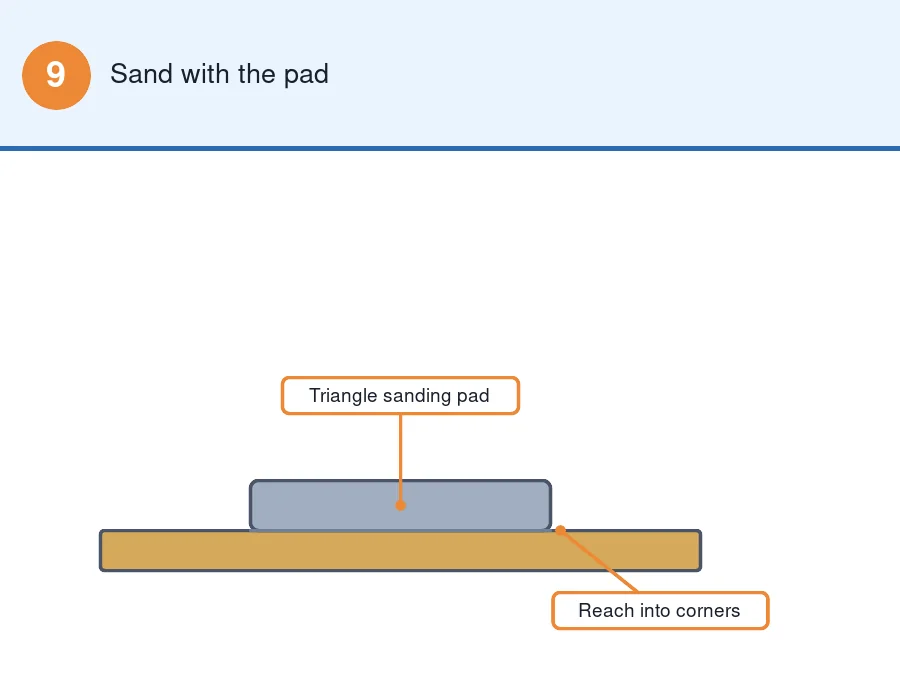
1. Fit the sanding pad and paper.
2. Keep the tool moving.
10. Watch the blade heat
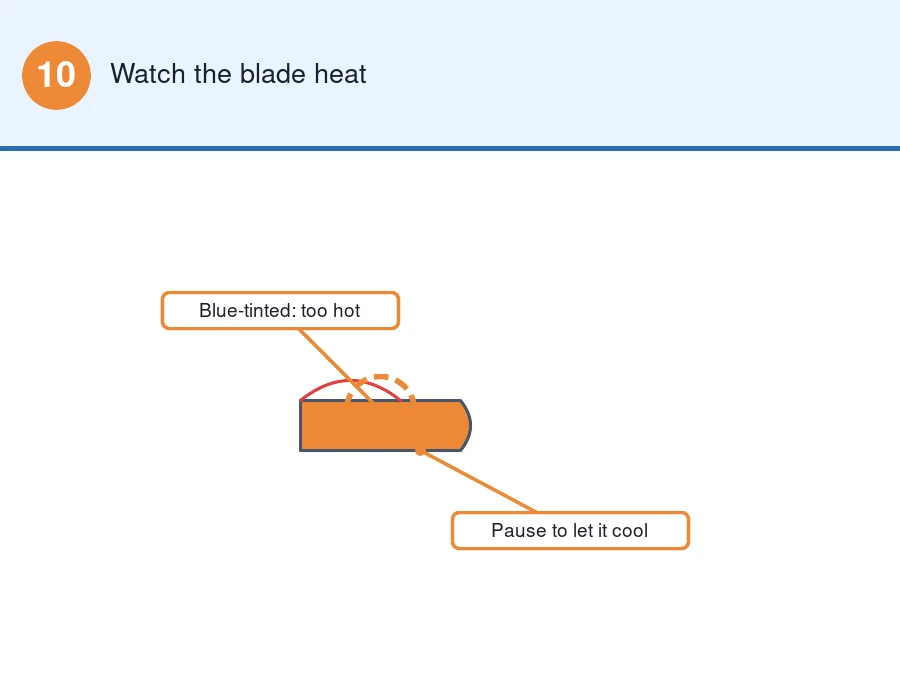
1. A hot blade dulls fast.
2. Stop and let it cool.
11. Clean up the dust
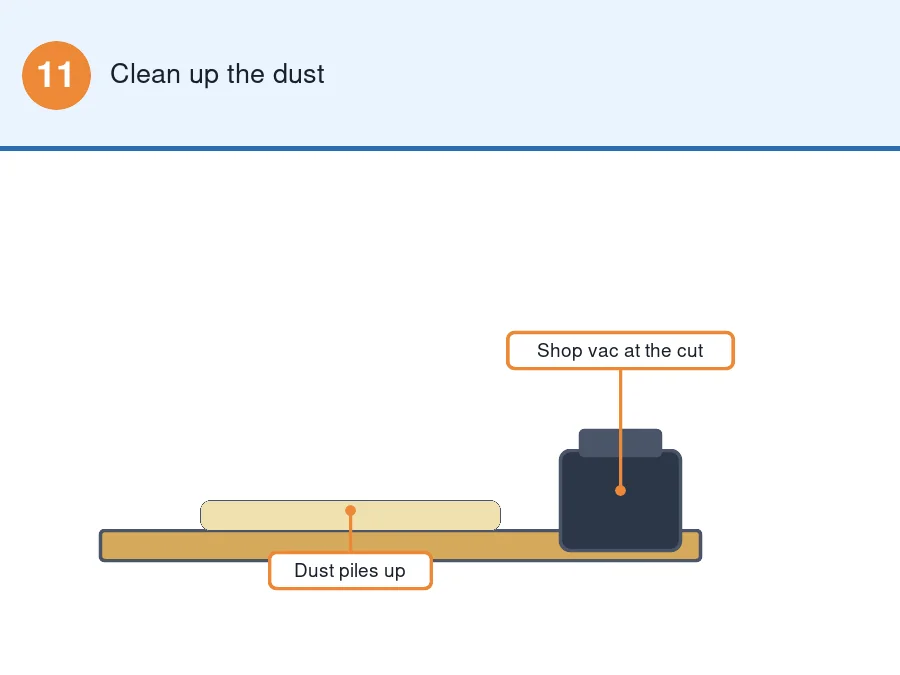
1. Vacuum as you go.
2. Wipe the surface before finish.
12. Store the blades
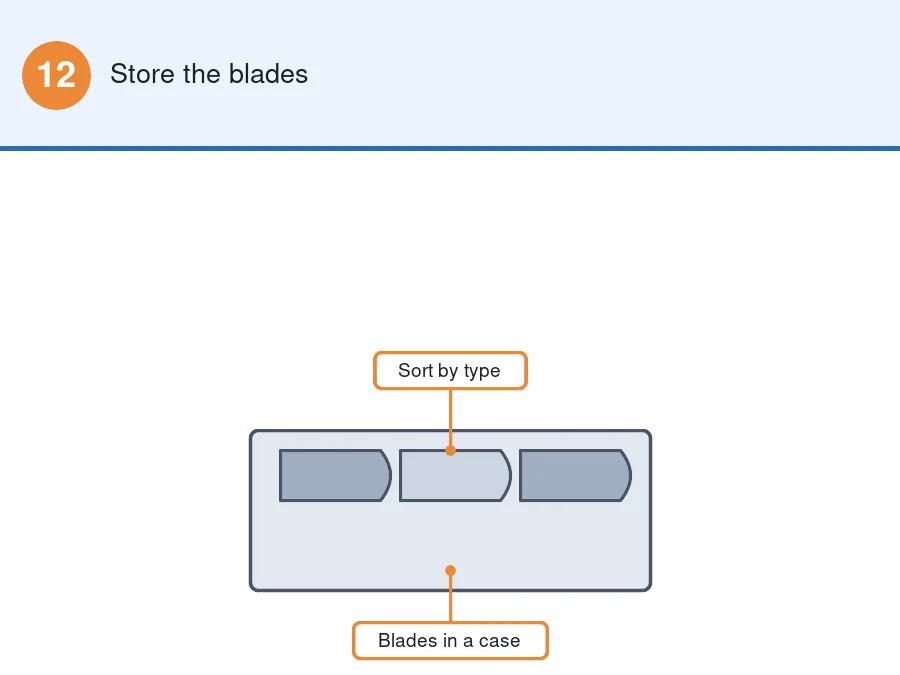
1. Keep them in the case.
2. Label wood and metal blades.
13. Undercut a door casing for new flooring
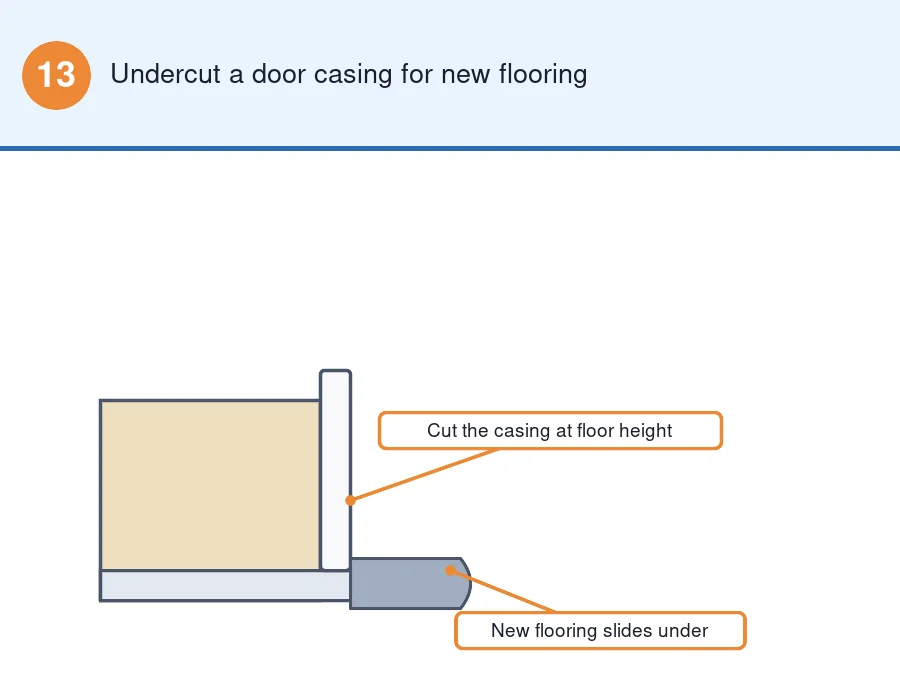
1. Lay a scrap of the new flooring beside the casing.
2. Rest the blade flat on the scrap.
3. Cut the casing at that height.
4. The flooring slides under the casing with no gap.
14. Remove old adhesive
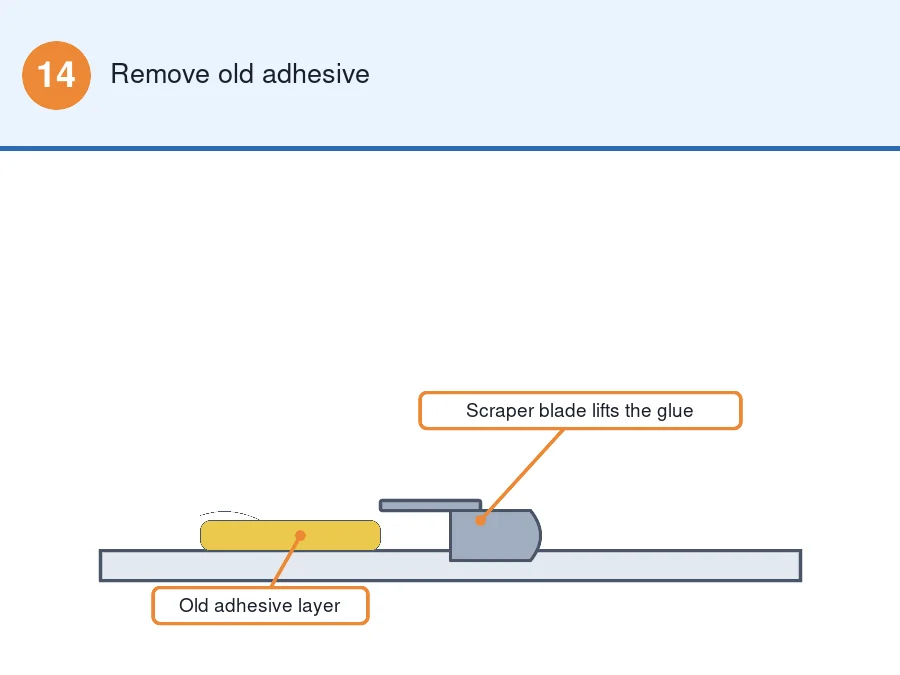
1. Fit a scraper blade.
2. Work at a shallow angle.
3. Heat softens the adhesive first.
4. Keep the blade flat so it does not gouge.
Common mistakes
- Pushing hard and burning the blade.
- Using a wood blade on a nail.
- Cutting without checking for wires.
- Changing a blade with the tool plugged in.
- Cutting a deep line in one pass.
Related guides
FAQ
What is an oscillating multi tool best for?
Flush cuts, undercutting a jamb and cutting into a corner where a saw will not fit.
Can it cut through a nail?
Yes, with a bi-metal blade, slowly.
Why does my blade stop cutting?
It is dull or overheated. Change it.
Can I cut tile with one?
With a carbide grit blade, on soft tile, slowly.
More from this topic
- How to Use a Crowbar: Learn how to use a crowbar without wrecking the material: set the claw in a seam, pry in small lifts and...
- How to Use a Plumb Bob: Learn how to use a plumb bob to find true vertical: hang it from a steady point, let it settle and mark the...
- How to Use a File: Learn how to use a file on metal, wood and plastic: pick the right cut, hold it flat, and file in one...
- How to Mix a Small Batch of Concrete: Learn how to mix a small batch of concrete: measure by volume, add water gradually and work fast enough to...
- How to Remove Rust From Tools the Easy Way: Learn how to remove rust from tools: soak in vinegar, scrub with the right abrasive, and protect the metal so...
 Garage and OutdoorsHow to Use a CrowbarLearn how to use a crowbar without wrecking the material: set the claw in a seam, pry in small lifts and protect the surface under it.
 Garage and OutdoorsHow to Use a Plumb BobLearn how to use a plumb bob to find true vertical: hang it from a steady point, let it settle and mark the point below before you measure.
 Garage and OutdoorsHow to Use a FileLearn how to use a file on metal, wood and plastic: pick the right cut, hold it flat, and file in one direction with steady pressure.
 Garage and OutdoorsHow to Mix a Small Batch of ConcreteLearn how to mix a small batch of concrete: measure by volume, add water gradually and work fast enough to place it before it sets.
 Garage and OutdoorsHow to Remove Rust From Tools the Easy WayLearn how to remove rust from tools: soak in vinegar, scrub with the right abrasive, and protect the metal so rust stays away.