
Drains and Sewers
Sewer smells and slow main lines are the jobs that sit between a simple fix and a professional call. A sewer smell in one bathroom is often a dry trap or a blocked vent, not a broken pipe, and the guide walks through the checks in order before anyone starts opening walls: run water in every fixture, look for a floor drain that has dried out, then check the vent on the roof. A plumbing vent blocked by a nest, snow or a stuck flapper makes the whole house drain slowly and gurgle, and it is the cause people miss because the symptom appears at the sink. A backwater valve is the one preventive job in this group: it stops city sewage from backing into a basement during heavy rain, and in some flood-prone areas the local code expects one. Installing it means cutting into the main line, so read the guide to see what that involves before deciding who does it.
 Drains and SewersHow to Clear a Plumbing VentHow to clear a plumbing vent: recognize the symptoms, work safely from the roof and flush the stack clear.
 Drains and SewersHow to Fix a Sewer Smell in the BathroomHow to fix a sewer smell in the bathroom: find whether a dry trap, wax ring or vent is the source and seal it for good.
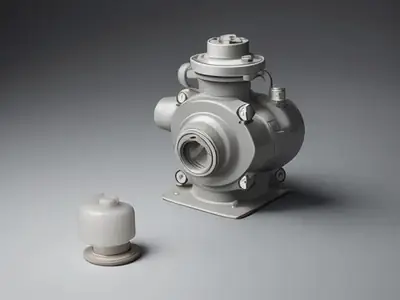 Drains and SewersHow to Install a Backwater ValveHow to install a backwater valve: choose the access point, set the valve in the main drain line and stop sewage backups.