
How to Install a Backwater Valve
Part of: Tools and everyday fixes
- Difficulty
- Advanced
- Time
- 4 to 8 hours
- Tools
- A saw or cutter for the drain line, a level, gravel, couplings, a shovel if the line is buried
- Call a pro if
- The main line is buried under a slab, the pipe material is unknown, or your area requires a permit and inspection, which many do.
In this guide
- Wear protection
- Chemical safety
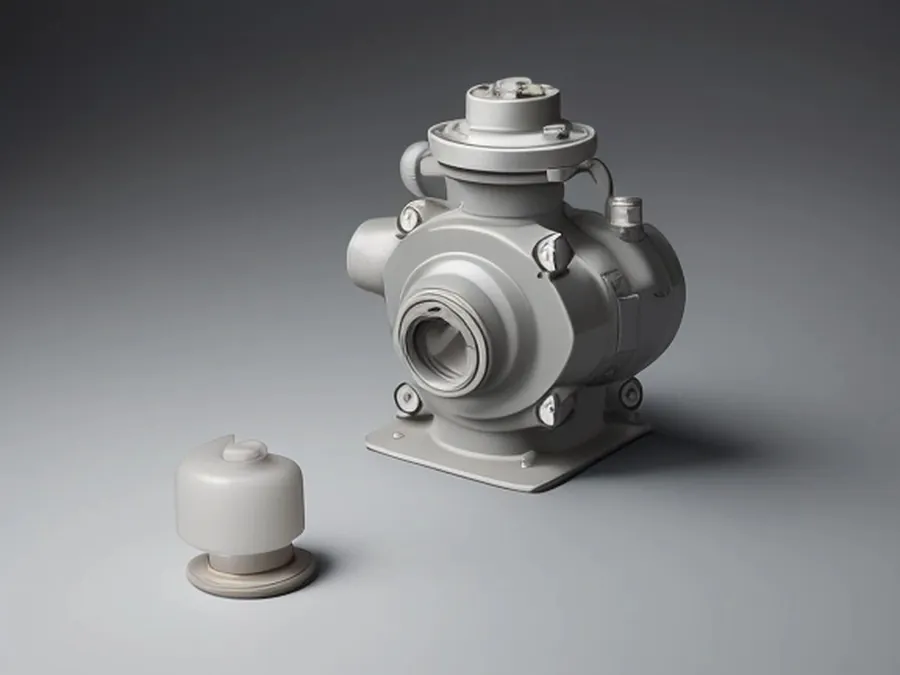
When the city sewer surcharges in a storm, the lowest drains in your house are where it comes up. A backwater valve is a one-way gate on the main line: household water flows out, the sewer cannot flow back. How to install a backwater valve is a real project, but the payoff is a basement that stays dry when the neighbors' does not. This guide covers the placement and the set.
1. Understand what the valve does
The one-way gate.
1. A flapper inside the valve floats open on normal flow and slams shut on backflow.
2. It protects everything downstream of nothing: it sits on the main line leaving the house.
3. While it is shut during a storm, your own water cannot leave either; that trade is the point.
4. It is flood protection, not a clog fix; a clog in the line is a different problem entirely.
2. Check code and choose the location
The planning pass.
1. Many areas require a permit and an inspection; check before cutting.
2. The valve goes on the main line where it exits the house, ideally with an access box.
3. An accessible basement location beats a buried one for future cleaning.
4. Confirm flow direction; the valve has an arrow and it points toward the street.
3. Dig or open the access
The reach.
1. Expose the main line at the chosen spot with room to work both sides.
2. A slab location means cutting concrete; that is where most people call the pro.
3. Support the pipe on both sides so the cut section carries no load.
4. Gravel under the valve body keeps it bedded and level.
4. Cut the line
The opening.
1. Mark and cut the section the valve body replaces, per the valve's layout dimensions.
2. Expect standing water in the downstream side; a bucket and rags handle it.
3. Deburr and clean both cut ends.
4. Match the couplings to the pipe material; shielded couplings handle most transitions.
5. Set the valve
The install.
1. Bed the valve body level on gravel; a tilted flapper never seals right.
2. Connect both ends with the couplings, following the flow arrow.
3. Set the access riser and lid if the valve is buried; the flapper needs to be reachable.
4. The top of the access must sit where you will actually open it.
6. Test the flapper
The function check.
1. Open the access and move the flapper by hand; it should swing freely and seat flat.
2. Run water upstairs and watch flow through the open valve.
3. Pour a bucket into the downstream side if accessible; the flapper should close against it.
4. How to fix a basement floor drain backup covers the symptom this valve prevents.
7. Maintain it yearly
The habit.
1. Open the access annually and clean the flapper seat.
2. Grease the seal per the manufacturer's schedule.
3. After any backup event, inspect before relying on it again.
4. A valve you cannot reach is a valve that fails unnoticed; keep the access clear.
Common mistakes
- Installing the valve backward; the arrow points toward the street.
- Setting the body unlevel so the flapper cannot seat.
- Burying the valve with no access riser.
- Skipping the permit where one is required.
- Running water during a storm with the valve shut and flooding your own line.
Related guides
FAQ
How do you install a backwater valve?
Cut a section out of the main drain line where it leaves the house, bed the valve body level with the flow arrow pointing out, connect both ends with shielded couplings, and provide an access riser for cleaning. Permits and inspection apply in many areas.
What does a backwater valve do?
It is a one-way flapper on the main sewer line. Normal drainage flows out freely, and when the municipal sewer surcharges, the flapper closes so sewage cannot back up into the house.
Where should a backwater valve be installed?
On the main drain line between the house and the street connection, before any branch that needs protection. An accessible location with an access box is strongly preferred over a buried one.
Does a backwater valve need maintenance?
Yes: open the access yearly, clean the flapper and its seat, and grease the seal per the manufacturer. A neglected flapper sticks open and protects nothing.
More from this topic
- How to Fix a Basement Floor Drain Backup: How to fix a basement floor drain backup: tell a local clog from a main-line blockage, clear what you can and...
- How to Install a Drain Cleanout Access: How to install a drain cleanout: cut in a wye with a plug on the drain line so the next clog clears in...
- How to Install a Fridge Water Line for the Ice Maker: How to install a fridge water line: tap the cold supply, run the tubing to the fridge and connect the ice...
- How to Install a Mixing Valve: How to install a mixing valve: fit the anti-scald valve at the water heater, set the temperature and protect...
- How to Install or Replace a Sump Pump Check Valve: Sump pump cycling on and off or water flowing back into the pit? Learn how to install or replace a sump pump...
 DrainsHow to Fix a Basement Floor Drain BackupHow to fix a basement floor drain backup: tell a local clog from a main-line blockage, clear what you can and know the pro line.
 DrainsHow to Install a Drain Cleanout AccessHow to install a drain cleanout: cut in a wye with a plug on the drain line so the next clog clears in minutes, not walls.
 PlumbingHow to Install a Fridge Water Line for the Ice MakerHow to install a fridge water line: tap the cold supply, run the tubing to the fridge and connect the ice maker without leaks.
 Water HeatersHow to Install a Mixing ValveHow to install a mixing valve: fit the anti-scald valve at the water heater, set the temperature and protect the whole house.
 PlumbingHow to Install or Replace a Sump Pump Check ValveSump pump cycling on and off or water flowing back into the pit? Learn how to install or replace a sump pump check valve and set it up correctly.