
How to Adjust a Self Closing Gate
Part of: Tools and everyday fixes · Also in: The Complete Guide to Outdoor and Yard Repair for Homeowners
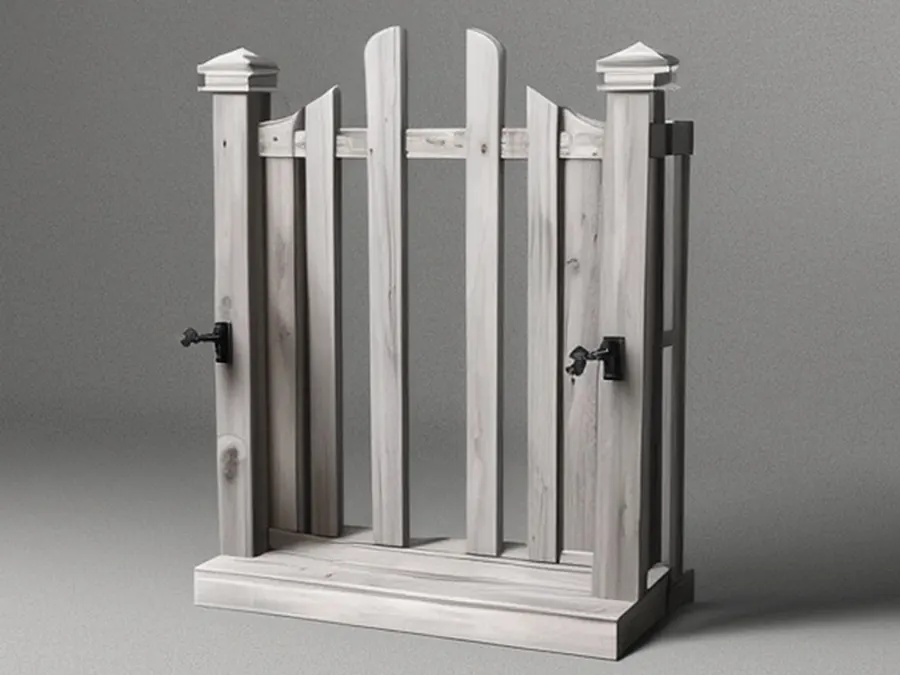
- Difficulty
- Easy
- Time
- 30 to 60 minutes
- Tools
- Screwdriver, adjustable wrench, hex keys, spray lubricant, level, wood shims, drill, replacement spring or closer, gloves
- Call a pro if
- The gate post is loose in the ground or the hinge has torn out of the frame.
In this guide
- Watch it close a few times
- Check the latch lines up
- Find what closes it
- Tighten a spring hinge
- Adjust a closer arm
- Set the closing speed
- Fix the slope
- Lubricate the hinges
- Shim a hinge that has pulled
- Check the post
- Set the gate stop
- Test with a child and a pet in mind
- Recheck after a season
- Common mistakes
- Related guides
- FAQ
- When to call a pro
A gate that swings shut and then bounces off the latch is not doing its job. It is either swinging too fast, too slow, or hanging out of line so the latch never lines up. All three are adjustable. Here is how to adjust a self closing gate so it closes and catches on its own.
1. Watch it close a few times
1. Too fast means it slams.
2. Too slow means it stops halfway.
2. Check the latch lines up
1. Look at the gap at the catch.
2. A gate that drops will never latch.
3. Find what closes it
1. A spring hinge at the post.
2. A closer arm on top.
3. A gravity hinge that uses slope.
4. Tighten a spring hinge
1. Most have a nut on the hinge pin.
2. Turn it a quarter turn at a time.
3. Test the swing after each turn.
5. Adjust a closer arm
1. The arm has a turnbuckle or a slider.
2. Lengthen it to slow the swing.
6. Set the closing speed
1. Fast at the start, slow at the end.
2. A gate that arrives fast cracks the latch.
7. Fix the slope
1. A gate on a hill needs a stop, not more spring.
2. Add a block so it rests level.
8. Lubricate the hinges
1. Dry hinges drag and stall.
2. A spray lubricant on the pin frees them.
9. Shim a hinge that has pulled
1. Fill the screw holes with a dowel and glue.
2. Re-drill and refit the screw.
10. Check the post
1. Push on the post.
2. Movement in the ground undoes every adjustment.
11. Set the gate stop
1. A stop holds the gate square at rest.
2. Without one the spring fights the latch.
12. Test with a child and a pet in mind
1. It should not swing hard enough to hit a small hand.
2. Slow the last few inches.
13. Recheck after a season
1. Wood swells and shrinks.
2. Spring tension drifts.
Common mistakes
- Over-tightening a spring until the gate slams.
- Adjusting the hinge when the post is loose.
- Oiling a hinge that is worn oval.
- Ignoring a gate that drags on the ground.
- Setting tension before the latch lines up.
Related guides
FAQ
How do I make a gate close slower?
Lengthen the closer arm or reduce the spring tension.
Why does my gate bounce back open?
The latch is out of line or the gate is hitting a stop too hard.
Can I add a self closer to an old gate?
Yes. A spring hinge or a top mounted closer fits most wooden gates.
How tight should the spring be?
Just enough to close and latch against a light push.
More from this topic
- Gate Latch Will Not Catch: How to Fix It: Gate latch will not catch or the gate swings open? Check alignment, sag, loose screws and the latch parts for...
- Dishwasher Door Latch Not Closing: How to Fix It: Dishwasher door latch not closing or the cycle will not start? Check for blockages, the latch, the strike and...
- How to Fix a Door That Will Not Latch (3 Simple Fixes): How to fix a door that will not latch: find where the latch misses, tighten the hinges, and adjust the strike...
- How to Install a Gate Latch That Catches Every Time: Learn how to install a gate latch: choose the right type, mark and drill the holes, align the catch and...
- How to Repair a Fence Gate That Sags: Learn how to repair a fence gate that sags: find whether the hinge, the post or the frame has dropped, then...
 Garage and OutdoorsGate Latch Will Not Catch: How to Fix ItGate latch will not catch or the gate swings open? Check alignment, sag, loose screws and the latch parts for a secure close. Steps and safety tips included.
 KitchenDishwasher Door Latch Not Closing: How to Fix ItDishwasher door latch not closing or the cycle will not start? Check for blockages, the latch, the strike and the door switch. Easy steps to fix it.
 Doors and WindowsHow to Fix a Door That Will Not Latch (3 Simple Fixes)How to fix a door that will not latch: find where the latch misses, tighten the hinges, and adjust the strike plate. A beginner guide with basic tools.
 Garage and OutdoorsHow to Install a Gate Latch That Catches Every TimeLearn how to install a gate latch: choose the right type, mark and drill the holes, align the catch and adjust it so the gate closes on its own.
 Garage and OutdoorsHow to Repair a Fence Gate That SagsLearn how to repair a fence gate that sags: find whether the hinge, the post or the frame has dropped, then brace, rehang and square the gate.