
How to Check Your Home After a Storm
Part of: Seasonal maintenance
- Difficulty
- Easy
- Time
- 1 to 2 hours
- Tools
- Flashlight, phone camera, notebook, work gloves, binoculars, moisture meter if you have one, a tarp for emergency cover
- Call a pro if
- You smell gas, see downed power lines, have water near an electrical panel, or the roof or ceiling is sagging, since those are emergencies that need the utility or a professional immediately.
In this guide
- Power off first
- Gas safety
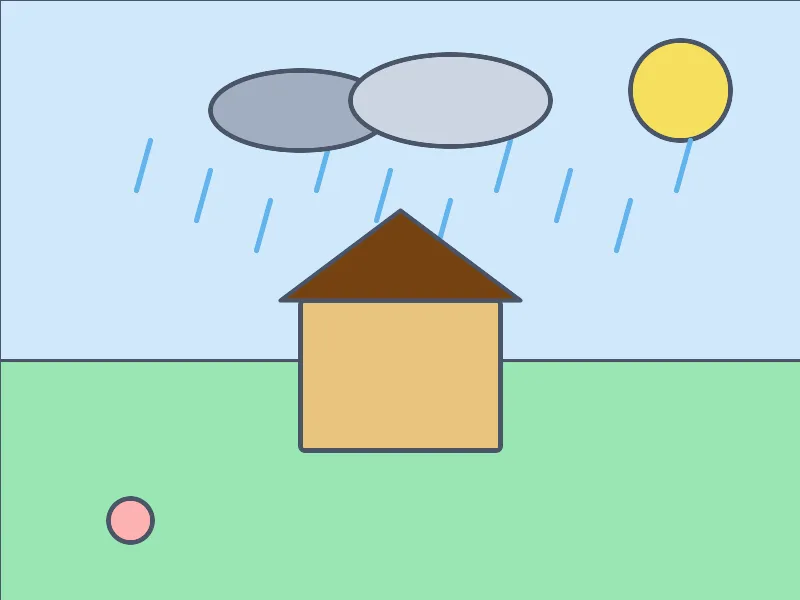
The hour after a storm is when small damage becomes expensive damage, mostly because water keeps running and nobody looks. A calm walk around the house, inside and out, catches most of it. Here is how to check your home after a storm.
1. Wait until it is safe
1. Stay inside until the wind, rain and lightning have stopped.
2. Listen to local alerts before you go out.
3. Keep children and pets away from windows and doors during the storm.
4. Check on neighbors only when it is safe to walk outside.
5. Charge your phone while you still have power.
2. Walk the outside from the ground
1. Start at the street and look at the whole house, not just the front.
2. Look for missing shingles, lifted flashing, dents in siding and bent gutters.
3. Use binoculars instead of a ladder for the roof.
4. Check that downspouts are still attached and clear.
5. Photograph anything that looks different from before the storm.
3. Check for downed lines and gas
1. Look for wires on the ground, on a fence or in a tree, and stay well back.
2. Call the utility and, if there is a fire risk, the fire department.
3. If you smell gas inside, leave the house and call the gas utility from outside.
4. Do not switch anything on or off if you smell gas.
5. Keep everyone out of the area until the utility says it is safe.
4. Look for water inside
1. Check ceilings and the tops of walls for new stains or bulges.
2. Look in the attic with a flashlight for wet insulation, daylight or drips.
3. Check around windows, doors and the chimney for water.
4. Look at the basement or crawl space for new water.
5. If a ceiling bulges, keep clear, put a bucket under it and call for help.
Our guide on telling whether a ceiling stain is an active leak covers the next step.
5. Check the roof edge and the yard
1. Look at the fascia and soffit for water stains or loose pieces.
2. Check the gutters for granules, which signal worn shingles.
3. Look for tree limbs on the roof, the fence or the car.
4. Check the fence, the shed and the mailbox for damage.
5. Photograph the yard before you clean anything up, for insurance.
6. Test what should be working
1. Check that every outlet and light still works, one room at a time.
2. Look for tripped breakers, but do not reset one repeatedly.
3. Run the water and check the drains.
4. Check the sump pump and the water heater.
5. Test the smoke and carbon monoxide detectors.
7. Stop any water you can reach safely
1. Put a tarp over a damaged roof area only if the roof is low, dry and safe.
2. Move furniture and electronics away from a drip.
3. Catch water in buckets and towels.
4. Do not seal a wet ceiling or wall, since trapped water spreads.
5. Book a roofer or a water damage company early, since they fill up after a storm.
Our guide on fixing a leaky roof temporarily covers safe temporary cover.
8. Document everything for the claim
1. Photograph each problem wide and close, with the date visible.
2. Write a list of damage room by room.
3. Keep receipts for tarps, buckets, hotel nights and any emergency repair.
4. Do not throw away damaged items before the adjuster sees them.
5. Call your insurer and ask what they need before you start permanent repairs.
9. Make a repair plan
1. Separate emergency work from cosmetic work.
2. Book licensed trades for the roof, electrical and structural items.
3. Get more than one estimate for anything large.
4. Keep a folder with photos, estimates, receipts and claim numbers.
5. Follow up in writing with anyone who promised a visit.
Common mistakes
- Climbing on a wet roof to look at damage.
- Touching a downed line or a fence it is resting on.
- Throwing away damaged property before photographing it.
- Ignoring a small ceiling stain that keeps growing.
- Starting permanent repairs before the insurer has seen the damage.
FAQ
Should I call my insurer before or after I make repairs?
Call first for anything beyond emergency cover, and photograph everything before it is moved or repaired.
How long do I have to report storm damage?
It varies by policy and state. Report it as soon as you notice it, and keep a record of the call.
Can I tarp the roof myself?
Only if the roof is low, dry and you can work safely with help. A fall is far more expensive than a tarp.
What if the power is out but my house is fine?
Report the outage to the utility, keep the fridge closed, and check on anyone who depends on powered medical equipment.
Related guides
- How to Check a Roof After Winter: Learn how to check a roof after winter: inspect from the ground and attic first, look for lifted shingles and...
- How to Check a Home for Winter Damage in Spring: Learn how to check a home for winter damage in spring: inspect the roof, walls, foundation and outdoor...
- How to Install Snow Guards on a Roof: How to install snow guards on a roof: pick the right type for the roof, place them over doors and walks, and...
- How to Revive a Lawn After Winter: Spring Recovery Plan: Learn how to revive a lawn after winter: clear debris, check for damage, rake, repair bare spots, feed at the...
- Spring Home Maintenance Checklist: Use this spring home maintenance checklist to check the roof line, gutters, drains, cooling system and safety...
 SeasonalHow to Check a Roof After WinterLearn how to check a roof after winter: inspect from the ground and attic first, look for lifted shingles and ice damage, and know when to call a roofer.
 SeasonalHow to Check a Home for Winter Damage in SpringLearn how to check a home for winter damage in spring: inspect the roof, walls, foundation and outdoor fittings and note repairs before summer.
 SeasonalHow to Install Snow Guards on a RoofHow to install snow guards on a roof: pick the right type for the roof, place them over doors and walks, and fasten them without causing leaks.
 SeasonalHow to Revive a Lawn After Winter: Spring Recovery PlanLearn how to revive a lawn after winter: clear debris, check for damage, rake, repair bare spots, feed at the right time, and mow and water for a strong start.
 SeasonalSpring Home Maintenance ChecklistUse this spring home maintenance checklist to check the roof line, gutters, drains, cooling system and safety devices after winter, one small job at a time.