
How to Clean a Wooden Spoon
Part of: Kitchen
- Difficulty
- Easy
- Time
- 10 minutes
- Tools
- Dish soap, warm water, sponge, coarse salt, lemon, food-safe mineral oil, cloth
- Call a pro if
- The wood is cracked, blackened or growing fuzz, since bacteria sit in splits that no washing reaches.
In this guide
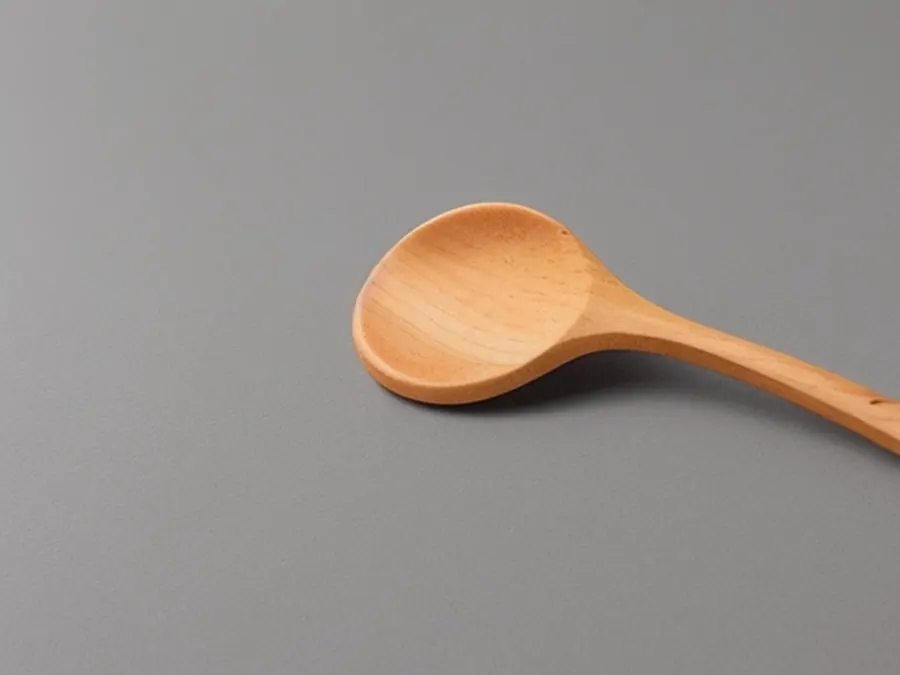
Wood is porous: it does not scratch a pan or conduct heat, but it holds onto smells and soap if you clean it like a metal utensil. Here is how to clean a wooden spoon so it lasts for years.
1. Wash it right after use
1. Rinse under warm running water.
2. Scrub with a drop of dish soap and a sponge or soft brush.
3. Rinse and dry it immediately, since standing water is what splits wood.
2. Dry it with air around it
1. Stand the spoon handle down in a holder, or lay it on a rack.
2. Do not lay it flat on a wet counter; water trapped under the bowl and in the end grain is what opens cracks.
3. Lift strong smells
1. Sprinkle coarse salt on the spoon and rub it with half a lemon.
2. Leave it for ten minutes, then rinse and dry.
3. For a lingering stain, rub on a paste of baking soda and water, wait five minutes and rinse.
4. Sanitize without soaking
1. Wipe the spoon with white vinegar and leave it for a minute.
2. Rinse and dry at once. A wooden spoon can never be disinfected like metal, so keep one spoon for raw meat and wash it immediately after use.
5. Oil it when it looks dry
1. Pale, rough wood needs food-safe mineral oil.
2. Rub a little in with a cloth, leave it for an hour and wipe off the excess.
3. Oil only a fully dry spoon; trapped moisture molds under the oil.
6. Know when to replace it
1. Retire a spoon with cracks along the bowl, a black patch that will not wash off, fuzz or mold, or a sour smell after washing.
2. A cracked spoon is not worth saving: bacteria live in the splits, and cleaning a cutting board covers the same rule for flat wood.
Common mistakes
- Soaking a spoon in the sink overnight.
- Putting wood in the dishwasher, where heat and detergent split and dry it out in a single cycle.
- Drying it flat on a wet counter.
- Oiling a spoon that is still damp.
- Using one spoon for raw meat and everything else.
FAQ
Can I put a wooden spoon in the dishwasher?
No. The heat and detergent split and dry out the wood.
How do I get garlic smell out of a wooden spoon?
Salt and lemon, then a vinegar wipe, then dry it fully.
How often should I oil a wooden spoon?
Every month or two, or whenever the wood looks pale.
When should I throw out a wooden spoon?
When it cracks, blackens or smells sour after washing.
Related guides
- How to Clean a Cutting Board: Learn how to clean a cutting board properly: wash wood and plastic differently, disinfect after raw meat, and...
- How to Clean a Food Processor: Learn how to clean a food processor safely: wash the bowl, lid and blade by hand, clear the feed tube, and...
- How to Clean a Stainless Steel Sink Without Scratching It: Learn how to clean a stainless steel sink: use the right cloth and cleaner, remove water spots and rust...
- How to Clean a Stovetop: Gas, Electric and Glass: Learn how to clean a stovetop the right way for gas, coil and glass tops: degrease, lift burnt-on spills,...
- How to Clean Granite Countertops: Learn how to clean granite countertops: the safe daily routine, what to avoid, stain removal, and when to...
 KitchenHow to Clean a Cutting BoardLearn how to clean a cutting board properly: wash wood and plastic differently, disinfect after raw meat, and oil wood so it does not crack.
 KitchenHow to Clean a Food ProcessorLearn how to clean a food processor safely: wash the bowl, lid and blade by hand, clear the feed tube, and keep the motor base dry.
 KitchenHow to Clean a Stainless Steel Sink Without Scratching ItLearn how to clean a stainless steel sink: use the right cloth and cleaner, remove water spots and rust marks, polish the grain and keep it looking new.
 KitchenHow to Clean a Stovetop: Gas, Electric and GlassLearn how to clean a stovetop the right way for gas, coil and glass tops: degrease, lift burnt-on spills, clean burners and keep it shining.
 KitchenHow to Clean Granite CountertopsLearn how to clean granite countertops: the safe daily routine, what to avoid, stain removal, and when to reseal.