
How to Clean a Stainless Steel Sink Without Scratching It
Part of: Kitchen
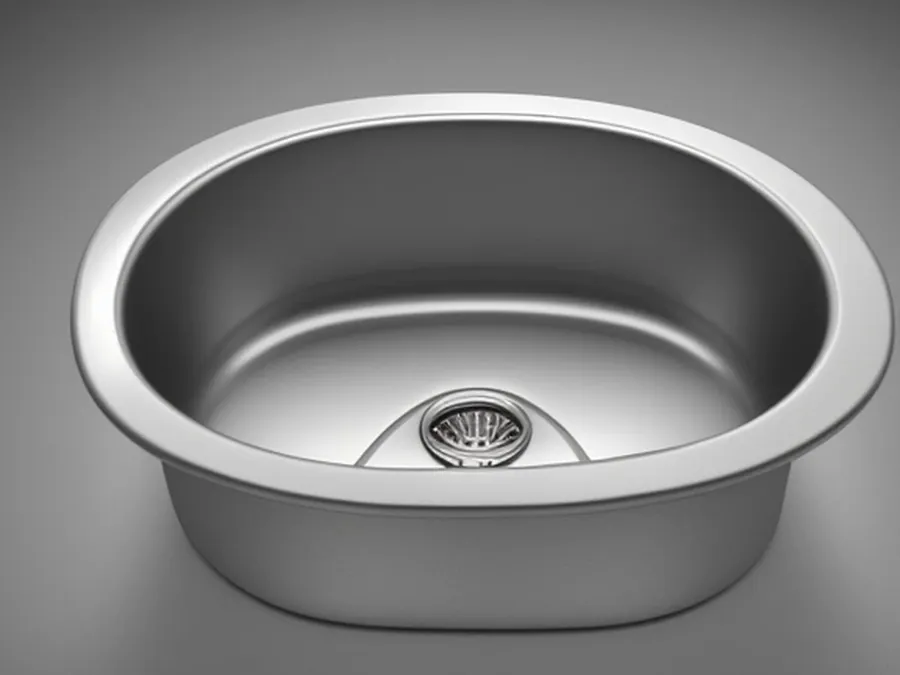
- Difficulty
- Easy
- Time
- 15 to 30 minutes
- Tools
- Mild dish soap, soft sponge or microfiber cloth, baking soda, white vinegar, a nylon brush, olive oil or a stainless polish, clean cloths, gloves
- Call a pro if
- The sink has deep scratches, pitting or rust that does not lift, since those are surface damage rather than dirt, and refinishing is a specialist job.
In this guide
- Gas safety
- Wear protection
- Chemical safety
A stainless steel sink is easy to keep clean and easy to ruin. The finish is a thin layer that resists stains, and harsh abrasives, bleach left to sit, and steel wool all damage it. Cleaned the right way, a stainless sink looks new for twenty years. Here is how to clean a stainless steel sink without scratching it.
This guide is part of our wider guide to kitchen cabinets, countertops and storage.
1. Know what you are cleaning
- Everyday film: grease, soap and food residue.
- Water spots: minerals left when water dries.
- Rust marks: usually from a can, a pan or a scouring pad left in the sink, not from the steel itself.
- Scratches: physical damage, not dirt, and not fixable by cleaning.
- Pitting: small dark holes from bleach or salt sitting on the surface.
The first three clean up. The last two are damage.
2. Start with warm soapy water
1. Half fill the sink with warm water and add a little mild dish soap.
2. Wipe the whole surface with a soft sponge or microfiber cloth, following the grain of the brushed finish.
3. Pay attention to the corners, the drain area and around the faucet base.
4. Drain and rinse with clean water.
3. Dry it properly
Water spots come from water drying on the steel. After every use, wipe the sink dry with a clean cloth. This single habit keeps a stainless sink looking new and prevents most mineral marks.
4. Remove water spots and light stains
1. Mix baking soda with a little water into a paste.
2. Rub it gently onto the spots with a soft cloth, following the grain.
3. Rinse well and dry.
4. For stubborn mineral marks, use white vinegar on a cloth, then rinse and dry.
Do not leave vinegar sitting on the steel for long periods.
5. Deal with rust marks
Rust marks from a can or a pan are usually surface deposits.
1. Sprinkle baking soda on the mark.
2. Add a few drops of lemon juice or vinegar to make a paste.
3. Rub gently with a soft cloth or a nylon brush.
4. Rinse and dry thoroughly.
If the mark does not lift, a stainless steel cleaner made for the purpose will usually remove it. Do not use steel wool, which leaves particles that rust.
6. Clean the drain and the faucet base
- Remove the strainer and clean it with a nylon brush.
- Wipe around the faucet base, where grease and mineral buildup collect.
- Use an old toothbrush for the gap between the faucet and the sink.
7. Polish for shine
1. Dry the sink completely.
2. Dab a little olive oil on a clean cloth, or use a stainless steel polish.
3. Wipe it over the surface, following the grain.
4. Buff with a dry cloth.
A thin oil film resists water spots and fingerprints, though it needs renewing every week or two.
8. Avoid the things that damage it
- Bleach and chlorine cleaners: they pit stainless steel. Rinse immediately if used nearby.
- Steel wool and metal scouring pads: they leave iron particles that rust.
- Abrasive powders: they scratch the brushed finish.
- Leaving salt, vinegar or acidic food in the sink: they cause pitting.
- Leaving a wet cast iron pan in the sink: it rusts and stains the steel.
9. Keep it looking new
- Rinse and dry after every use.
- Deep clean weekly with soap and a soft cloth.
- Descale monthly with vinegar if your water is hard.
- Keep a rubber mat in the bottom if you wash a lot of dishes, which reduces scratches.
- Do not use the sink as a draining board for wet metal items.
Common mistakes
- Using steel wool or an abrasive pad.
- Leaving bleach-based cleaner to sit in the sink.
- Not drying the sink, then wondering about the spots.
- Scrubbing across the grain rather than along it.
- Using too much cleaner and leaving residue.
Related guides
- How to Clean a Glass Cooktop Without Scratching It
- How to Replace a Kitchen Sink (Drop-In Swap)
- Tighten Loose Kitchen Faucet From Under the Sink
- How to Organize Under the Kitchen Sink (Around the Pipes)
- How to Replace a Kitchen Sink Strainer Basket
- How to Replace a Sink Sprayer Hose
FAQ
How do I get water spots off a stainless steel sink?
Dry the sink after every use, and use a baking soda paste or a little vinegar for existing spots.
Can I use bleach on a stainless steel sink?
Avoid it. Bleach pits stainless steel. If it is used nearby, rinse the sink thoroughly afterward.
Why does my stainless sink have rust spots?
Usually from a can, a pan or a scouring pad left in the sink, not from the steel. Baking soda and lemon juice removes most of them.
How do I make a stainless sink shine?
Dry it, then buff a very thin film of olive oil or a stainless polish over the surface, following the grain.
More from this topic
- How to Clean Stainless Steel Appliances Without Streaks: Learn how to clean stainless steel appliances: wipe with the grain, use mild soap or vinegar, remove...
- How to Fix a Slow Kitchen Sink Drain Without Chemicals: How to fix a slow kitchen sink drain: clean the strainer and tailpiece, clear the P-trap, snake the branch...
- How to Clean a Glass Cooktop Without Scratching It: Learn how to clean a glass cooktop: let it cool, lift off burnt on food with a razor scraper, polish with a...
- How to Clean a Wooden Spoon: Learn how to clean a wooden spoon without splitting it: wash by hand, lift smells with salt and lemon, oil...
- How to Clean Oven Racks Without Harsh Chemicals: Learn how to clean oven racks: soak them in a tub with dish soap and baking soda, scrub off baked on grease...
 KitchenHow to Clean Stainless Steel Appliances Without StreaksLearn how to clean stainless steel appliances: wipe with the grain, use mild soap or vinegar, remove fingerprints and stains, and finish with a light buff.
 KitchenHow to Fix a Slow Kitchen Sink Drain Without ChemicalsHow to fix a slow kitchen sink drain: clean the strainer and tailpiece, clear the P-trap, snake the branch line and stop grease buildup.
 KitchenHow to Clean a Glass Cooktop Without Scratching ItLearn how to clean a glass cooktop: let it cool, lift off burnt on food with a razor scraper, polish with a cooktop cleaner and prevent scratches and streaks.
 KitchenHow to Clean a Wooden SpoonLearn how to clean a wooden spoon without splitting it: wash by hand, lift smells with salt and lemon, oil it, and know when to replace it.
 KitchenHow to Clean Oven Racks Without Harsh ChemicalsLearn how to clean oven racks: soak them in a tub with dish soap and baking soda, scrub off baked on grease and rinse them so they slide in like new.