
How to Clean Oven Racks Without Harsh Chemicals
Part of: Appliances
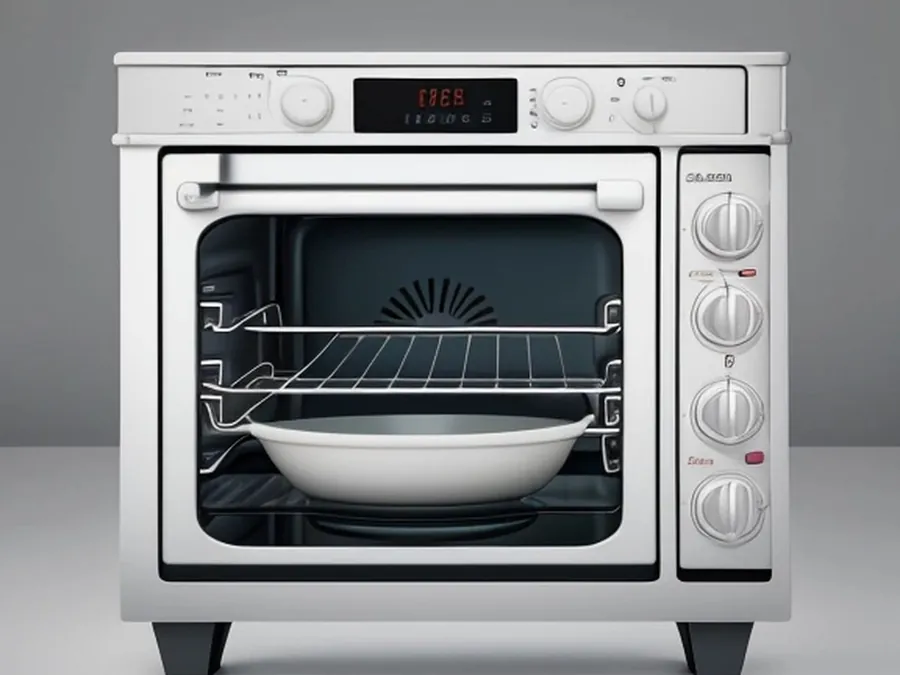
- Difficulty
- Easy
- Time
- 30 minutes plus overnight soaking
- Tools
- Bathtub or large tub, old towels, baking soda, dish soap, scrub brush, non scratch pad, rubber gloves
- Call a pro if
- The racks are rusted through, bent, or coated in a finish that flakes when you scrub them.
In this guide
- Wear protection
- Chemical safety
Oven racks collect baked on grease that smokes and burns every time you heat the oven. A long soak does most of the work, so you do not need strong chemicals. Here is how to clean oven racks.
1. Take the racks out
1. Make sure the oven is cool.
2. Pull out the racks and any rack guides that lift off.
3. Put on rubber gloves.
4. Check the racks for rust or loose welds.
2. Prepare the tub
1. Lay old towels on the bottom of a bathtub to protect the surface.
2. Run hot water until the racks are covered.
3. Add half a cup of dish soap.
4. Stir in a cup of baking soda.
3. Soak the racks
1. Lay the racks flat in the water.
2. Keep them submerged.
3. Let them soak for at least two hours, or overnight for heavy buildup.
4. Check that no part of the rack stays dry.
4. Scrub the grease
1. Lift one rack at a time.
2. Scrub with a brush or non scratch pad.
3. Work along each bar and the corners.
4. Use a toothbrush for tight spots.
5. Make a paste for tough spots
1. Mix baking soda with a little water into a thick paste.
2. Spread it on stubborn spots.
3. Wait 15 minutes.
4. Scrub again.
6. Rinse well
1. Rinse the racks in clean water.
2. Check that no soap film remains.
3. Dry them with a towel.
4. Look for leftover spots.
7. Clean the oven slots
1. While the racks are out, wipe the rack slides.
2. Clean the walls with warm water and a cloth.
3. Do not spray cleaners on the heating elements.
4. Dry the oven interior.
8. Put them back
1. Slide the racks into their original slots.
2. Check that they glide smoothly.
3. Rub a little cooking oil on stiff rack edges.
4. Wipe the oven door dry.
When to stop and call a pro
Replace racks that are bent, rusted through or have a coating that peels off in flakes. Rough rust can end up in food. Check the manual for the right size and part number. Call a service technician if rack guides are bent or the oven walls show damage or cracks. Never use oven cleaners marked for the walls on racks that have a special finish unless the label allows it, since the fumes can build up in a closed room. Open a window if you use any spray product.
Related guides
- How to clean an oven naturally
- Oven self clean problems
- How to clean a range hood
- How to Clean a Range Hood Filter and Remove Baked On Grease
- How to Calibrate an Oven Temperature at Home
- Oven Not Heating: What to Check
- Oven not heating but stovetop works: what to check
Common mistakes
- Scrubbing before soaking.
- Leaving racks in during the self clean cycle.
- Using steel wool on coated racks.
- Wetting the heating element.
- Not rinsing off soap.
FAQ
Can I soak racks in the sink?
Only if they fit. A bathtub or a large plastic bin works better.
Is it safe to use a bathtub?
Yes, if you rinse it well and use towels to protect the surface.
How often should I clean the racks?
Every few months or when they look greasy.
Why do my racks stick?
Baked on grease and heat discoloration make them drag. A rub of cooking oil helps.
More from this topic
- How to Fix a Slow Kitchen Sink Drain Without Chemicals: How to fix a slow kitchen sink drain: clean the strainer and tailpiece, clear the P-trap, snake the branch...
- How to Clean Greasy Kitchen Cabinets: Clean greasy kitchen cabinets with warm water and dish soap, a baking soda paste for heavy buildup, and...
- How to Load a Dishwasher Correctly for Cleaner Dishes: Learn how to load a dishwasher correctly: scrape, space and angle dishes, use each rack the right way and...
- Oven Self-Clean Problems: Door Locked, Smoke and Error Codes: Oven self-clean problems like a locked door, heavy smoke or an error code are common. Learn why they happen,...
- How to Clean a Stainless Steel Sink Without Scratching It: Learn how to clean a stainless steel sink: use the right cloth and cleaner, remove water spots and rust...
 KitchenHow to Fix a Slow Kitchen Sink Drain Without ChemicalsHow to fix a slow kitchen sink drain: clean the strainer and tailpiece, clear the P-trap, snake the branch line and stop grease buildup.
 KitchenHow to Clean Greasy Kitchen CabinetsClean greasy kitchen cabinets with warm water and dish soap, a baking soda paste for heavy buildup, and careful drying to protect wood and laminate.
 KitchenHow to Load a Dishwasher Correctly for Cleaner DishesLearn how to load a dishwasher correctly: scrape, space and angle dishes, use each rack the right way and avoid blocking the spray arms for a cleaner wash.
 KitchenOven Self-Clean Problems: Door Locked, Smoke and Error CodesOven self-clean problems like a locked door, heavy smoke or an error code are common. Learn why they happen, how to stay safe and what to do step by step.
 KitchenHow to Clean a Stainless Steel Sink Without Scratching ItLearn how to clean a stainless steel sink: use the right cloth and cleaner, remove water spots and rust marks, polish the grain and keep it looking new.