
How to Clean an Oven Naturally With Baking Soda and Vinegar
Part of: Appliances
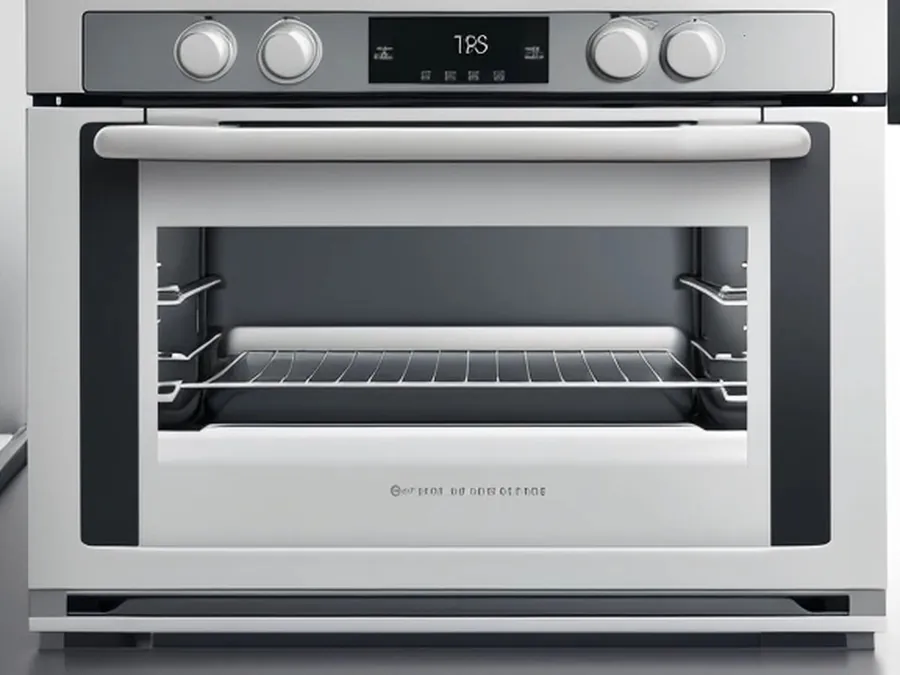
- Difficulty
- Easy
- Time
- 30 minutes plus overnight soak
- Tools
- Baking soda, white vinegar, spray bottle, bowl, spatula or plastic scraper, damp cloths, sponge, rubber gloves, old towels, bathtub or large basin for racks
- Call a pro if
- The oven does not heat, smells of gas, shows sparks, has a cracked door glass, or a heating element is damaged. See the oven guides for troubleshooting.
In this guide
- Gas safety
- Wear protection
- Chemical safety
Oven cleaners work, but the fumes can be harsh. A mix of baking soda and vinegar is cheaper and gentler, and it handles most grease. Here is how to clean an oven naturally, step by step, with no special tools.
Before you start
Let the oven cool completely. Take out the racks, pans, and thermometer. Remove any loose crumbs with a dry cloth or small brush. Check the manual for parts you should not wet, such as the heating element, fan, or gas ports.
Make the paste
Mix about half a cup of baking soda with a few tablespoons of water in a bowl. Stir until it forms a spreadable paste, like thick frosting. Add more water or baking soda to adjust.
Step by step
1. Spread the paste over the inside surfaces, including the floor, walls, and door. Avoid heating elements and any vents.
2. Work it into greasy spots. Use a spatula or your gloved hands. Thick burnt on spots can take extra paste.
3. Let it sit. Leave it overnight, or for at least a few hours. The paste turns brown as it absorbs grease.
4. Wipe out the paste. Use a damp cloth and a plastic scraper for stubborn bits.
5. Spray with vinegar. Spritz the remaining white residue with white vinegar. It will fizz. Wipe again with a clean damp cloth until no residue is left.
6. Dry the oven with a clean towel and leave the door open to air out.
Clean the racks
1. Place a towel in the bathtub or a large basin to avoid scratches.
2. Lay the racks in it and sprinkle with baking soda.
3. Pour a cup of vinegar over them, then add hot water to cover.
4. Soak for several hours or overnight.
5. Scrub with a sponge or soft brush. Rinse and dry.
Clean the door glass
Apply the paste to the glass and let it sit. Wipe with a damp cloth. For streaks, use a glass cleaner. If the glass has water between the panes or cracks, do not clean it. Call a repair pro.
Prevent buildup
- Wipe spills when the oven cools.
- Use a sheet pan under messy dishes.
- Clean the oven every few months, or sooner for heavy use.
- Check the door gasket for wear. See how to replace an oven door gasket.
Self cleaning cycle
A self clean cycle burns off grease at very high heat. It can create smoke and fumes. Remove racks unless the manual says otherwise, ventilate, and keep pets out of the kitchen. If the oven stops heating afterward, see oven not heating.
What not to use
- Steel wool on enamel
- Harsh cleaners on a continuous clean liner
- Bleach with vinegar or ammonia
- Water on heating elements
Related guides
- How to Clean Oven Door Glass, Inside and Between the Panes
- How to Calibrate an Oven Temperature at Home
- How to Replace an Oven Light Bulb Safely
- How to Clean a Toaster Oven Inside and Out
- Garbage Disposal Smells: How to Clean It and Keep It Fresh
- Replace Oven Heating Element Safely (Electric)
FAQ
Is baking soda safe in an oven?
Yes, when it is removed and the oven is rinsed. Keep it off heating elements.
How long should the paste sit?
At least a few hours, and overnight for heavy grease.
Can I use vinegar and baking soda together?
Yes. They fizz, but the mix is mild. Rinse well.
Why does the oven smell after cleaning?
Leftover residue may burn off. Wipe it out and run the oven briefly with the vent on.
What is the best natural way to clean an oven?
Make a paste of baking soda and water; spread it over the interior avoiding the heating elements; and let it sit overnight. Wipe out the paste; then spray vinegar on the residue and wipe again. It lifts grease without fumes.
Is it safe to use the self-clean cycle?
Self-cleaning cycles heat the oven to around 900 degrees; which produces smoke and fumes and can stress older ovens. Ventilate the kitchen; remove the racks; keep pets and birds out of the area; and skip it before hosting; in case something fails.
How often should I clean my oven?
A light wipe after messy cooking and a deeper clean every 3 to 6 months keeps grease from building up. Spills burn onto a hot oven floor; so the longer they sit; the harder they are to remove.
More from this topic
- How to Clean Oven Door Glass, Inside and Between the Panes: Learn how to clean oven door glass: use baking soda paste on the inside, wipe streaks away, and safely reach...
- How to Load a Dishwasher Correctly for Cleaner Dishes: Learn how to load a dishwasher correctly: scrape, space and angle dishes, use each rack the right way and...
- How to Clean Grout Lines on Floors and Walls: Learn how to clean grout lines with baking soda, oxygen bleach and a stiff brush, what to avoid on natural...
- How to Clean a Range Hood Filter and Remove Baked On Grease: Learn how to clean a range hood filter with hot water, dish soap, and baking soda: remove it, soak, scrub,...
- How to Clean Oven Racks Without Harsh Chemicals: Learn how to clean oven racks: soak them in a tub with dish soap and baking soda, scrub off baked on grease...
 KitchenHow to Clean Oven Door Glass, Inside and Between the PanesLearn how to clean oven door glass: use baking soda paste on the inside, wipe streaks away, and safely reach grime between the panes if your door allows it.
 KitchenHow to Load a Dishwasher Correctly for Cleaner DishesLearn how to load a dishwasher correctly: scrape, space and angle dishes, use each rack the right way and avoid blocking the spray arms for a cleaner wash.
 BathroomHow to Clean Grout Lines on Floors and WallsLearn how to clean grout lines with baking soda, oxygen bleach and a stiff brush, what to avoid on natural stone and how to seal grout so it stays clean.
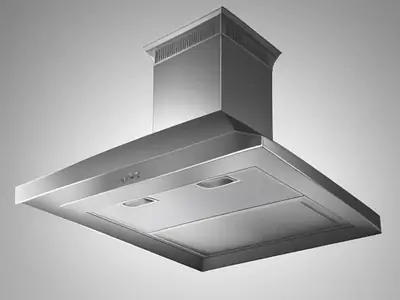 KitchenHow to Clean a Range Hood Filter and Remove Baked On GreaseLearn how to clean a range hood filter with hot water, dish soap, and baking soda: remove it, soak, scrub, rinse, dry, and put it back so the fan works well.
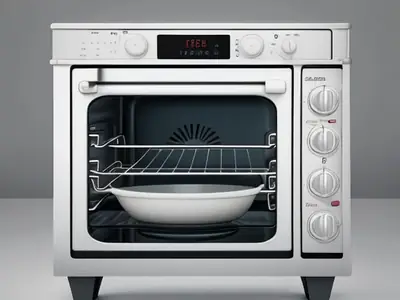 KitchenHow to Clean Oven Racks Without Harsh ChemicalsLearn how to clean oven racks: soak them in a tub with dish soap and baking soda, scrub off baked on grease and rinse them so they slide in like new.