
How to Calibrate an Oven Temperature at Home
Part of: Appliances
- Difficulty
- Easy
- Time
- 30 to 60 minutes
- Tools
- Oven thermometer, oven mitts, pen and paper, small screwdriver or manual
- Call a pro if
- The oven is more than 50 degrees Fahrenheit off, cycles wildly, or will not hold temperature, which often points to a bad sensor or control.
In this guide
- Power off first
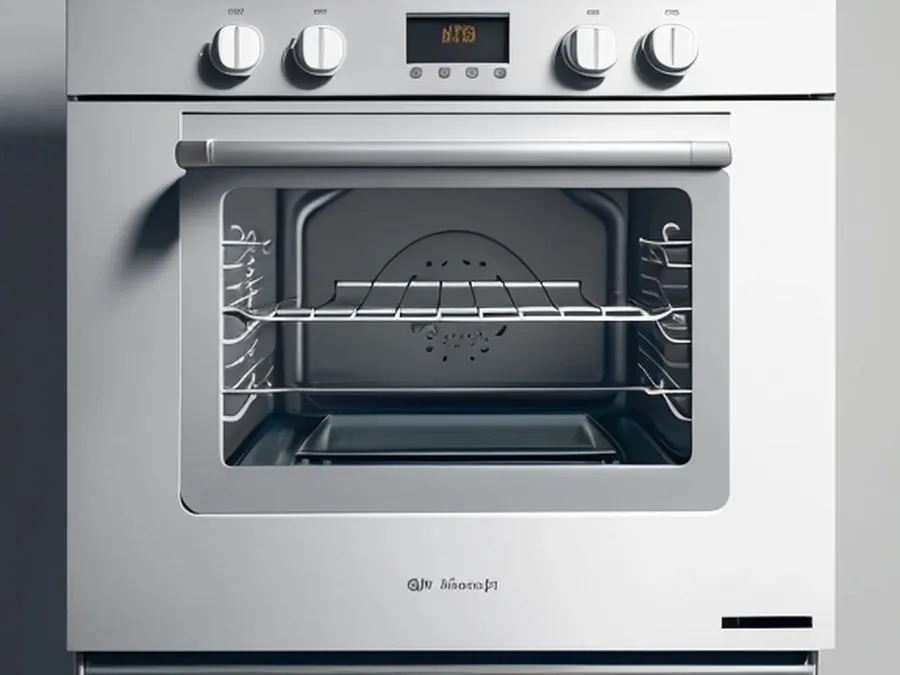
If cookies burn on the edges or roasts take longer than the recipe says, your oven may not be at the temperature the dial shows. Many ovens drift over the years. You can check and correct it with an inexpensive thermometer. Here is how to calibrate an oven temperature.
1. Get an oven thermometer
1. Buy a basic oven thermometer that hangs or stands on a rack.
2. Check that the dial is easy to read through the oven window.
3. Do not use a meat thermometer. It reads a different range.
4. Keep it clean and dry.
2. Set up the oven
1. Clear all racks and pans except the center rack.
2. Place the thermometer in the middle of the center rack.
3. Close the door and make sure the vent is not blocked.
4. Check that the door seal sits tight.
3. Preheat and wait
1. Set the oven to 350 degrees Fahrenheit.
2. Let it preheat fully, then wait another 20 minutes.
3. Ovens cycle on and off, so one reading is not enough.
4. Keep the door shut while it settles.
4. Read the thermometer
1. Look through the window rather than opening the door.
2. Write down the reading.
3. Read it again every 10 minutes for 30 minutes.
4. Average the readings.
5. Work out the offset
1. Subtract the oven setting from the average reading.
2. If the average is 365 and you set 350, the oven runs 15 degrees hot.
3. If it is 335, it runs 15 degrees cool.
4. Repeat the test at 400 degrees to see if the offset holds.
6. Adjust the oven if it has a calibration setting
1. Check the manual for the calibration steps. Many digital ovens let you adjust by a set amount.
2. Follow the key presses exactly.
3. Change the offset by the amount you measured.
4. Retest after the adjustment.
7. Or adjust your cooking
1. If you cannot calibrate, keep a note of the offset.
2. Set the oven lower or higher to compensate.
3. Stick a label inside a cabinet door for reference.
4. Recheck each year.
8. Check for other causes
1. Make sure the oven door gasket is not torn.
2. Confirm the racks are in the right position.
3. Do not open the door often during baking.
4. Avoid foil that blocks airflow.
When to stop and call a pro
If the oven is more than 50 degrees Fahrenheit off, will not heat, or swings by a large amount during a test, the temperature sensor or control board may be failing. These parts are not safe for a beginner to test with the power on. Turn off the breaker and call a technician. A gas oven that smells of gas, or an electric one that sparks, needs immediate attention. Leave the area and call your gas company or a pro. A calibration setting only fixes small, steady offsets, not faults.
Related guides
- Oven not heating: what to check
- Oven door gasket: how to replace
- How to replace an oven heating element
- Refrigerator Temperature Settings: How to Check and Adjust
- How to Replace an Oven Light Bulb Safely
- How to Clean Oven Racks Without Harsh Chemicals
- Oven not heating but stovetop works: what to check
Common mistakes
- Trusting a single reading.
- Opening the door during the test.
- Using a thermometer that is not made for ovens.
- Placing it on the wrong rack.
- Ignoring a bad door seal.
FAQ
How far off can an oven be?
A small offset of 10 to 15 degrees is common. More than 25 is worth fixing.
Do I need to recalibrate often?
Once a year is plenty.
Does a gas oven calibrate the same way?
The test is the same, but gas ovens need a pro for any internal adjustment.
Is preheating enough?
Wait a further 15 to 20 minutes after the preheat signal so the temperature settles.
More from this topic
- Oven Not Heating Evenly: What to Check: An oven not heating evenly burns one side and undercooks the other. Check the element, the sensor, the seal,...
- How to Clean an Oven Naturally With Baking Soda and Vinegar: Learn how to clean an oven naturally using baking soda paste and vinegar: wipe out grease, handle racks and...
- How to Clean Oven Door Glass, Inside and Between the Panes: Learn how to clean oven door glass: use baking soda paste on the inside, wipe streaks away, and safely reach...
- Dryer Thermal Fuse: How to Test and Replace It: Dryer will not start or has no heat? Learn how to find, test and replace a dryer thermal fuse, and why a...
- How to Clean a Range Hood Filter and Remove Baked On Grease: Learn how to clean a range hood filter with hot water, dish soap, and baking soda: remove it, soak, scrub,...
 KitchenOven Not Heating Evenly: What to CheckAn oven not heating evenly burns one side and undercooks the other. Check the element, the sensor, the seal, rack position and calibration, in order.
 KitchenHow to Clean an Oven Naturally With Baking Soda and VinegarLearn how to clean an oven naturally using baking soda paste and vinegar: wipe out grease, handle racks and glass, and skip harsh fumes safely.
 KitchenHow to Clean Oven Door Glass, Inside and Between the PanesLearn how to clean oven door glass: use baking soda paste on the inside, wipe streaks away, and safely reach grime between the panes if your door allows it.
 KitchenDryer Thermal Fuse: How to Test and Replace ItDryer will not start or has no heat? Learn how to find, test and replace a dryer thermal fuse, and why a blown fuse means you must clean the vent first.
 KitchenHow to Clean a Range Hood Filter and Remove Baked On GreaseLearn how to clean a range hood filter with hot water, dish soap, and baking soda: remove it, soak, scrub, rinse, dry, and put it back so the fan works well.