
Refrigerator Temperature Settings: How to Check and Adjust
Part of: Appliances
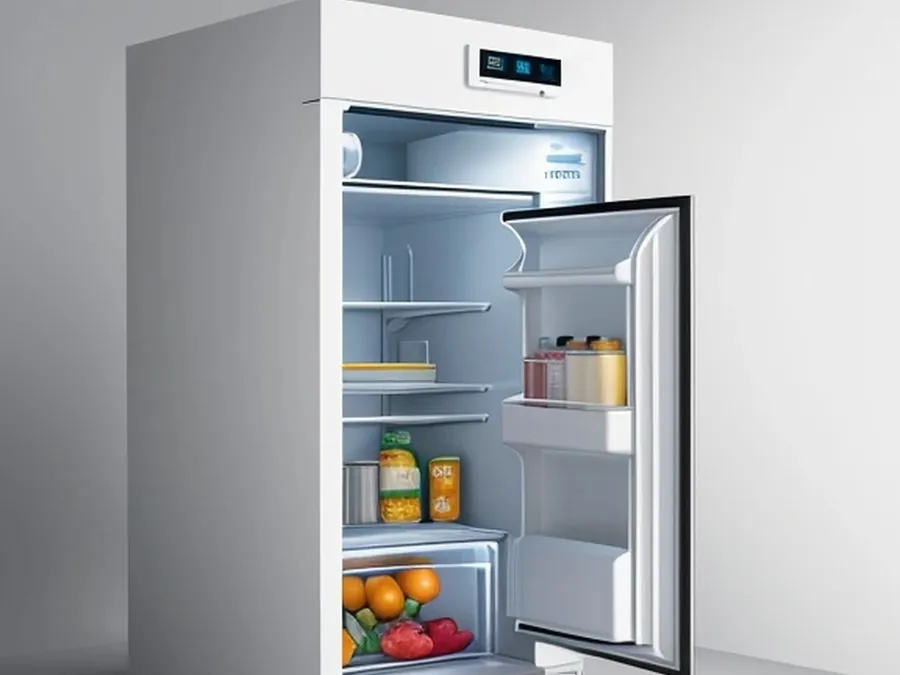
- Difficulty
- Easy
- Time
- 10 minutes to set up, 24 hours to confirm
- Tools
- Appliance thermometer, glass of water, vacuum or soft brush
- Call a pro if
- the fridge cannot reach the safe range after the steps below, or the compressor runs nonstop
In this guide
- Power off first
The right refrigerator temperature settings keep food safe and cut the energy it uses. If food spoils fast, milk turns sour early or lettuce freezes, the refrigerator temperature may be off. The dial or the digital setting does not always show the real temperature inside. A cheap appliance thermometer will tell you the truth. This guide explains the safe range, how to test your fridge and how to fix common problems without a repair call.
This guide is part of our wider guide to appliance problems.
The safe range
The refrigerator should stay at or below 40 degrees Fahrenheit (4 degrees Celsius). The freezer should be at 0 degrees Fahrenheit (minus 18 degrees Celsius). Food safety agencies use these numbers. A fridge colder than about 34 degrees Fahrenheit (1 degree Celsius) will start to freeze some foods.
Step by step: check the real temperature
1. Put a thermometer in a glass of water on the middle shelf. Water gives a steadier reading than air.
2. Place another thermometer in the freezer, between packages.
3. Close the door and wait 24 hours. Do not open the door more than you need.
4. Read the thermometers without leaving the door open.
5. Compare the readings with the safe range.
6. Adjust the setting by one step toward warmer or colder if needed.
7. Wait another 24 hours before changing again. The fridge reacts slowly.
Where to put the thermometer
The door is the warmest part of the fridge, and the back wall near the vent is the coldest. Check the middle shelf for a true average. If you often store milk or meat in the door, place a thermometer there once to see the difference.
Signs that point to each cause
A fridge that is too warm may have blocked vents, a dirty coil, a worn door seal or a full load. A fridge that freezes lettuce and drinks has a setting that is too cold or food that is touching the back wall. Frost on the freezer walls may mean the door is not sealing. Water pooling in the bottom of the fridge may be a blocked drain. A freezer that is cold with a warm fridge may have a blocked air flow. See Refrigerator not cooling but freezer works.
Easy fixes
Check the door seal by closing a dollar-sized piece of paper in the door. If it slides out easily, the seal is weak. See Refrigerator door seal not sealing: how to fix. Clean the coils at the back or bottom. See How to clean refrigerator coils. Do not block the vents inside with large containers. Leave a little space around food so air can move. Let hot food cool before you put it in.
Leave space around the fridge
The fridge needs air at the back and sides to release heat. Leave a couple of inches behind it and above it. If it is tucked tight in a cabinet, it may run warm. Check the owner's manual for the right gap. Also keep the fridge out of direct sun and away from the oven.
When the dial seems wrong
Some dials only use numbers, not degrees. A higher number may mean colder or warmer, depending on the model. Check the manual. Digital panels may show the set point, not the actual temperature. Use your thermometer to confirm.
Prevention
Check the temperature each season. Keep the fridge about three-quarters full, since cold food helps hold the cold. Keep the freezer full too, or fill gaps with bags of ice. Clean the door seals with warm soapy water once a month.
After a power outage
If the power was out, keep the doors closed. A full freezer holds its temperature for about two days and a half-full one for about one day. A fridge stays safe for about four hours. Throw away perishable food that was above 40 degrees Fahrenheit for more than two hours. When in doubt, throw it out.
Keep a simple log
Write the thermometer readings on a note stuck to the side of the fridge for a week. Check once in the morning and once in the evening. If the numbers rise and fall by more than a few degrees, the door may be opened too often, or the seal may be weak. A steady log also helps a repair person find the fault faster.
Seasonal changes
In a hot garage or a warm kitchen, the fridge works harder and may need a colder setting. In winter, a fridge in a cold garage may not run enough and can let the freezer warm up. Check the temperature when the season changes and adjust by one step if needed.
Related guides
- Refrigerator Water Dispenser Not Working: Causes and Fixes
- Refrigerator Leaking Water on the Floor: Causes and Fixes
- Ice Maker Not Working: What to Check
- How to Calibrate an Oven Temperature at Home
- How to Replace a Refrigerator Light Bulb
FAQ
What is the best fridge setting? The setting that gives 37 to 38 degrees Fahrenheit on your thermometer.
Why is my fridge cold in one spot and warm in another? Air flow is uneven. Move items away from vents.
How long to wait after changing the setting? At least 24 hours.
Is a warm door shelf a problem? It is normal. Keep milk and eggs on a main shelf.
More from this topic
- Dryer Takes Too Long to Dry Clothes: What to Check: Dryer takes too long to dry clothes? Clean the lint screen and vent, check the load size and the duct run....
- How to Clean an Ice Maker in Your Refrigerator or Freezer: Learn how to clean an ice maker: empty the bin, wash the parts, run a vinegar rinse through the machine and...
- How to Organize a Refrigerator to Cut Food Waste: Learn how to organize a refrigerator: set the right temperature, group food by zone, store raw meat low,...
- How to Reverse a Refrigerator Door Swing: Learn how to reverse a refrigerator door swing: remove the doors, move the hinges and handles, rehang them on...
- Ice Maker Not Working: What to Check: Ice maker not working? Check the freezer temperature, the water line, the fill tube and the filter. Easy...
 KitchenDryer Takes Too Long to Dry Clothes: What to CheckDryer takes too long to dry clothes? Clean the lint screen and vent, check the load size and the duct run. Steps, tools and fire safety notes.
 KitchenHow to Clean an Ice Maker in Your Refrigerator or FreezerLearn how to clean an ice maker: empty the bin, wash the parts, run a vinegar rinse through the machine and wipe it dry so ice tastes fresh again.
 KitchenHow to Organize a Refrigerator to Cut Food WasteLearn how to organize a refrigerator: set the right temperature, group food by zone, store raw meat low, label leftovers and keep everything fresh longer.
 KitchenHow to Reverse a Refrigerator Door SwingLearn how to reverse a refrigerator door swing: remove the doors, move the hinges and handles, rehang them on the other side and check that the seals close.
 KitchenIce Maker Not Working: What to CheckIce maker not working? Check the freezer temperature, the water line, the fill tube and the filter. Easy steps, tools and when to call a technician.