
Oven Not Heating: What to Check
Part of: Appliances
- Difficulty
- Easy for checks, medium for an element swap
- Time
- 20 minutes to check, 1 to 2 hours to replace a part
- Tools
- Flashlight, screwdriver, nut driver, multimeter (for a replacement), oven thermometer
- Call a pro if
- the oven is gas and you smell gas, the igniter glows but the oven does not light, wires look burned or the oven keeps tripping the breaker
In this guide
- Power off first
- Gas safety
An oven not heating at dinner time is a good reason to stay calm and check the simple things first. In many homes, a tripped breaker or a burned-out element is the cause. Gas ovens add the igniter and the gas supply, and those need extra care.
This guide is part of our wider guide to appliance problems.
Electric oven checks
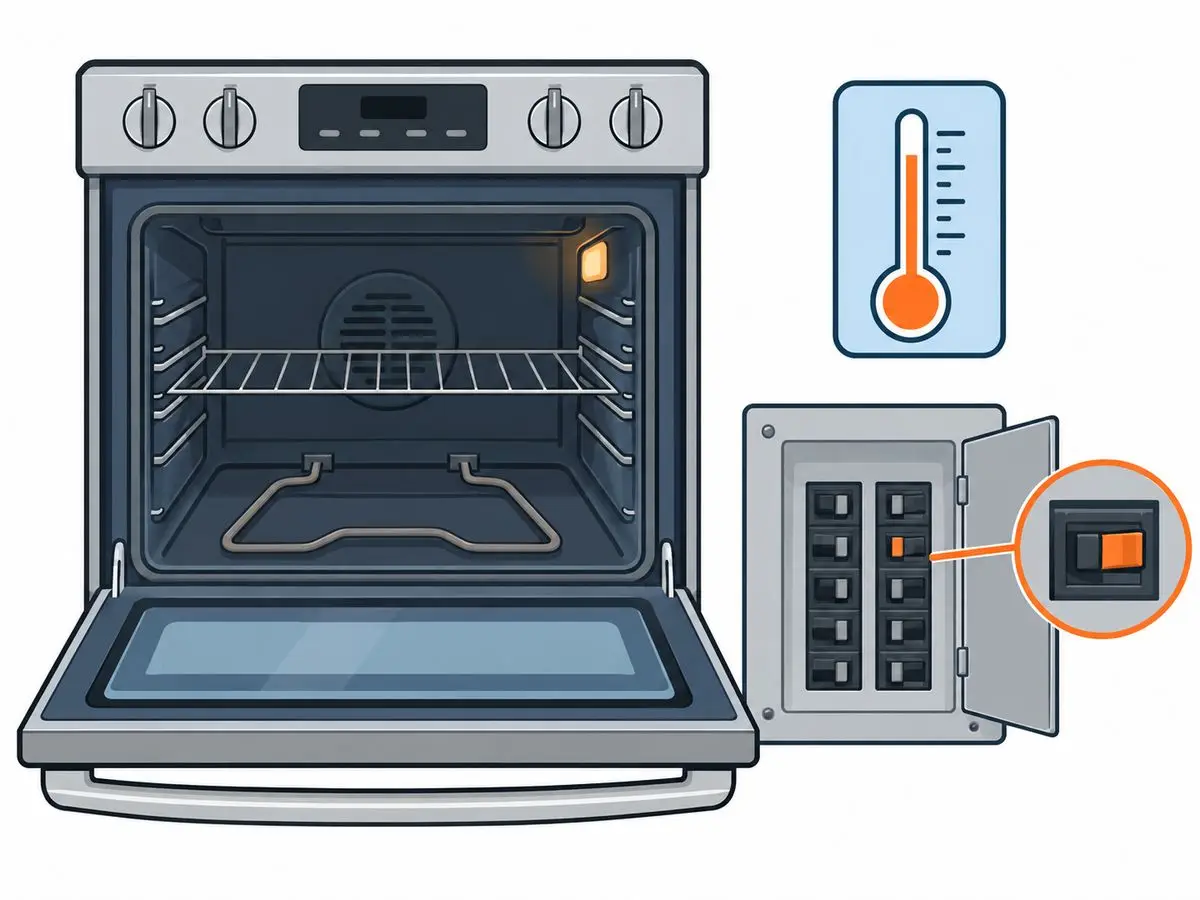
1. Check the breaker. Electric ovens use a large two-pole breaker. If it is tripped, reset it fully. See How to reset a tripped breaker. If it trips again, stop.
2. Check the clock and display. If the display is dead, the oven has no power. If the display works but there is no heat, a heating part has failed.
3. Check the settings. Make sure the oven is not in timer mode, sabbath mode or locked. Try bake mode at 350 degrees Fahrenheit.
4. Look at the bake element. With the oven off and cool, look at the element at the bottom. Look for blisters, breaks or a spot that does not glow when on. A broken element is common.
5. Test the oven temperature. Use an oven thermometer. If the oven runs far below the set temperature, the element or sensor may be failing.
6. Replace the element. Unplug the oven or switch off the breaker. Remove the screws that hold the element at the back wall. Pull it out gently and disconnect the wires. Fit the new element and reattach the wires. Check that it matches your model.
Gas oven checks
1. Check for gas smell. A gas smell means stop: leave the home and call your gas provider or emergency services. Do not use switches.
2. Check the igniter. Gas ovens have an igniter that glows hot and opens the gas valve. A weak igniter glows but does not open the valve. This is a common cause of a gas oven not heating. Because this is a gas appliance, leave the replacement to a qualified technician.
3. Check the pilot light on older models. If you do not smell gas, follow the manual to relight it, or call a technician if you are unsure. If you smell gas, do not try.
Other causes
A faulty temperature sensor, a failed control board or a bad thermostat can stop the oven from heating. These parts are best diagnosed by a technician.
A simple way to confirm the problem
Place an oven thermometer on the middle rack, set the oven to 350 degrees Fahrenheit and check the thermometer after 15 minutes. If the reading is more than about 25 degrees off, the oven is not heating properly, even if the display says it is. Write down the reading and the time it took. This is useful if you call a technician, because it separates a total failure from a weak element or a faulty sensor.
When to stop and call for service
Stop using the oven and call a technician if you see sparks at the element, smell burning insulation or hear loud clicking that does not stop. For a gas oven, if the burner lights with a large delay and then whooshes, turn the oven off and have it checked, since delayed ignition can be dangerous. Keep the model number and the age of the oven ready, because they help the technician bring the right parts.
Related guides
- Replace Oven Heating Element Safely (Electric)
- How to Clean an Oven Naturally With Baking Soda and Vinegar
- Oven Self-Clean Problems: Door Locked, Smoke and Error Codes
- Electric Stove Burner Not Heating: How to Fix It
- Electric Dryer Not Heating: What to Check Before You Call
FAQ
Why does my oven heat on broil but not bake?
The bake element or its wiring may be bad.
Can I use my oven if the element is broken?
It may work in broil mode, but cooking will be uneven. Replace the element.
Is it safe to replace the element myself?
Yes for most electric ovens, with the power off at the breaker.
How do I know if the igniter is weak?
It glows for a long time but the burner does not light.
More from this topic
- Oven Not Heating but Stovetop Works: What to Check: Oven not heating but stovetop works? Check the bake setting, self-clean latch and bake element before you...
- Oven Not Heating Evenly: What to Check: An oven not heating evenly burns one side and undercooks the other. Check the element, the sensor, the seal,...
- Replace Oven Heating Element Safely (Electric): Oven not heating or the bake element burned? Replace oven heating element parts safely, with the power off...
- Microwave Not Heating: What to Check: Microwave not heating? Check the power level, door latch and fuse symptoms, and learn why internal repairs...
- Oven Door Gasket: How to Check and Replace It: Oven door gasket worn or torn? Learn how to test the seal, replace the gasket and when a missing seal affects...
 KitchenOven Not Heating but Stovetop Works: What to CheckOven not heating but stovetop works? Check the bake setting, self-clean latch and bake element before you call for service.
 KitchenOven Not Heating Evenly: What to CheckAn oven not heating evenly burns one side and undercooks the other. Check the element, the sensor, the seal, rack position and calibration, in order.
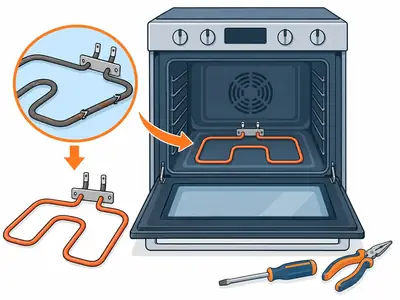 KitchenReplace Oven Heating Element Safely (Electric)Oven not heating or the bake element burned? Replace oven heating element parts safely, with the power off and the right part. Steps and safety tips included.
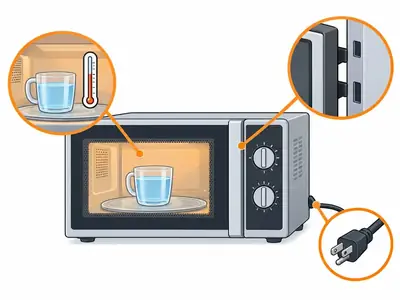 KitchenMicrowave Not Heating: What to CheckMicrowave not heating? Check the power level, door latch and fuse symptoms, and learn why internal repairs are unsafe. Steps and when to replace it.
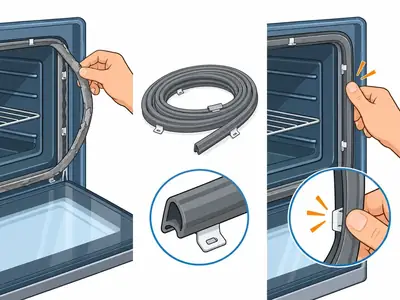 KitchenOven Door Gasket: How to Check and Replace ItOven door gasket worn or torn? Learn how to test the seal, replace the gasket and when a missing seal affects cooking and safety. Steps and tools.