
How to Fix a Slow Kitchen Sink Drain Without Chemicals
Part of: Kitchen
- Difficulty
- Easy to moderate
- Time
- 30 minutes to 2 hours
- Tools
- Bucket, adjustable pliers or channel locks, drain snake or hand auger, screwdriver, old towels, wire brush, dish soap and hot water, gloves
- Call a pro if
- Water backs up in both basins at once, other drains in the house are slow too, or the sink gurgles and smells even after the trap is clean, since those point to a blockage or vent problem deeper in the system.
In this guide
- Wear protection
- Chemical safety
A kitchen sink that drains slowly is usually not blocked. It is coated. Cooking grease, soap scum and food particles line the inside of the pipe a little at a time, and the opening shrinks until water sits in the basin. That matters, because a coated pipe needs a different fix than a plugged one, and chemical cleaners mostly just burn a channel through the middle and leave the rest. Here is how to fix a slow kitchen sink drain by working from the simplest cause outward.
This guide is part of our wider guide to clogs and slow drains.
1. Decide whether the drain or the faucet is slow
Fill a jug at the faucet and time it. If the flow from the faucet is weak but the basin drains fine once the water is in it, the problem is in the faucet aerator or cartridge, not the drain. Our guide on a low flow kitchen faucet covers that.
If water pools in the basin and drains slowly, the problem is downstream. Then check whether the other drains in the house are slow too. One slow sink is local; every drain slow at once is a main line or vent issue that needs a pro.
2. Start at the strainer
Lift out the strainer basket and the stopper, and clean the hair and food caught around it. On a basket strainer, unscrew the center knob and lift the basket out so you can clean underneath. A surprising number of slow sinks are just a clogged strainer flange with a film of grease across the holes.
Scrub the flange and the visible inside of the tailpiece with a small brush and hot soapy water. Run hot water for a minute and see whether the drain has already improved.
3. Clear the P-trap
The curved trap under the sink catches debris by design, and it is the most common place for a slow drain to start.
1. Put the bucket under the trap and lay towels down.
2. Loosen the slip nuts on both ends of the trap by hand or with pliers, turning carefully so you do not crack plastic.
3. Take the trap off and tip it into the bucket.
4. Clean the inside with a bottle brush or a rag, and check the washers for wear.
5. Refit it, hand tighten the nuts, and run water to check for leaks.
Most slow kitchen sinks are fixed at this step. If the trap was clean, the blockage is further along.
4. Snake the branch line
Feed a hand snake or a drain auger into the pipe that goes into the wall, not the one that comes down from the sink. Turn the handle as you push, and stop when you feel resistance, then work through it. Pull the snake back slowly and wipe it with a rag as it comes out, because it will be coated in grease.
For a double basin sink, know which side the trap is on. The other basin drains across through a baffle tee, and food often collects there.
5. Check the vent
A sink that drains slowly, gurgles, or smells even after the trap is clean is often a vent problem rather than a blockage. Without air behind it, water cannot flow freely. Look for a blocked or frozen vent stack on the roof, or an air admittance valve under the sink that has failed. A failed valve is a cheap part to replace, and it is usually a screw-off fitting.
6. Deal with a disposal
If the sink has a garbage disposal, run it with water flowing for several seconds after the last scrap goes in. Food left in the disposal and in the trap below it turns into a paste that slows everything. Never put grease, coffee grounds, eggshells in bulk or fibrous vegetable waste down a kitchen drain.
If the disposal hums without turning, the problem is the disposal, not the drain, and our guide on unclogging a drain covers the reset and the hex key step.
7. Flush the line with hot water and soap
Once the water runs freely, fill the basin with hot water and a squirt of dish soap, then pull the plug and let it all go at once. The volume and the soap help move the loosened grease along. Do this once a week as maintenance; it costs nothing and keeps the pipe clear.
8. Change the habits that caused it
- Wipe greasy pans with a paper towel and bin it before washing.
- Never pour cooking oil down the sink, even with hot water.
- Use a strainer basket in both basins.
- Run cold water while using a disposal, not hot, since cold keeps fat solid so it gets chopped and carried away.
- Once a month, pour a kettle of hot tap water down the drain.
Common mistakes
- Pouring chemical cleaner in first, which makes the later repair messier and more dangerous.
- Snaking the wrong pipe, or pushing the snake up into the other basin instead of into the wall.
- Overtightening plastic slip nuts and cracking them.
- Taking the trap off without a bucket and soaking the cabinet base.
- Assuming a slow drain is a blockage when the pipe is only coated.
Related guides
- How to Clean a Stainless Steel Sink Without Scratching It
- How to Install a Garbage Disposal Under a Kitchen Sink
- How to Fix a Clogged Garbage Disposal: Reset and Unjam
- How to Replace a Garbage Disposal: A Careful Step by Step Guide
- How to Unclog a Kitchen Sink: Clear It in Minutes
- How to Replace a Kitchen Sink Strainer Basket
FAQ
Why does my kitchen sink drain slowly but not block completely?
Usually grease and soap film narrowing the pipe, or a partly blocked trap. Both clear with the trap clean and a hot water flush.
Is a slow kitchen drain a sign of a bigger problem?
If it is one sink, no. If several fixtures are slow, gurgle or back up together, it is a main line or vent issue and worth calling a plumber.
How often should I clean the P-trap?
Only when it slows. A well-used kitchen sink usually needs it once a year or so, and it takes fifteen minutes.
Do drain snakes damage pipes?
A hand snake used sensibly does not. Avoid powered augers in old or plastic pipe unless you know what you are doing, and never force a snake through a joint.
More from this topic
- Replace Kitchen Sink Trap: Step by Step: Kitchen sink trap leaking, cracked or smelly? Replace kitchen sink trap parts step by step, match the pipe...
- How to Get Rid of Fruit Flies in the Kitchen: Learn how to get rid of fruit flies: find the breeding source, trap the adults, clean the drains and stop...
- Fruit Flies in the Kitchen: Fruit flies in the kitchen breed in ripe produce and damp spots. Remove the source, set a simple trap and...
- Kitchen Faucet Low Flow: Fix a Clogged Aerator or Cartridge: Kitchen faucet low flow? Clean the aerator, check the supply lines and the cartridge. Easy steps to bring...
- How to Unclog a Bathroom Sink: Five Ways That Work: How to unclog a bathroom sink: clear the stopper, plunge, clean the trap and auger the line, in the order...
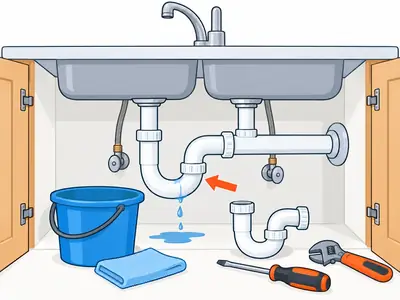 KitchenReplace Kitchen Sink Trap: Step by StepKitchen sink trap leaking, cracked or smelly? Replace kitchen sink trap parts step by step, match the pipe size and test for leaks.
 KitchenHow to Get Rid of Fruit Flies in the KitchenLearn how to get rid of fruit flies: find the breeding source, trap the adults, clean the drains and stop them coming back for good.
 KitchenFruit Flies in the KitchenFruit flies in the kitchen breed in ripe produce and damp spots. Remove the source, set a simple trap and keep them from coming back.
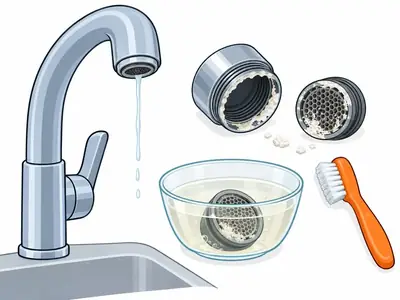 KitchenKitchen Faucet Low Flow: Fix a Clogged Aerator or CartridgeKitchen faucet low flow? Clean the aerator, check the supply lines and the cartridge. Easy steps to bring back full flow, plus when to call a plumber.
 PlumbingHow to Unclog a Bathroom Sink: Five Ways That WorkHow to unclog a bathroom sink: clear the stopper, plunge, clean the trap and auger the line, in the order that clears most clogs fastest.