
How to Descale an Electric Kettle
Part of: Kitchen
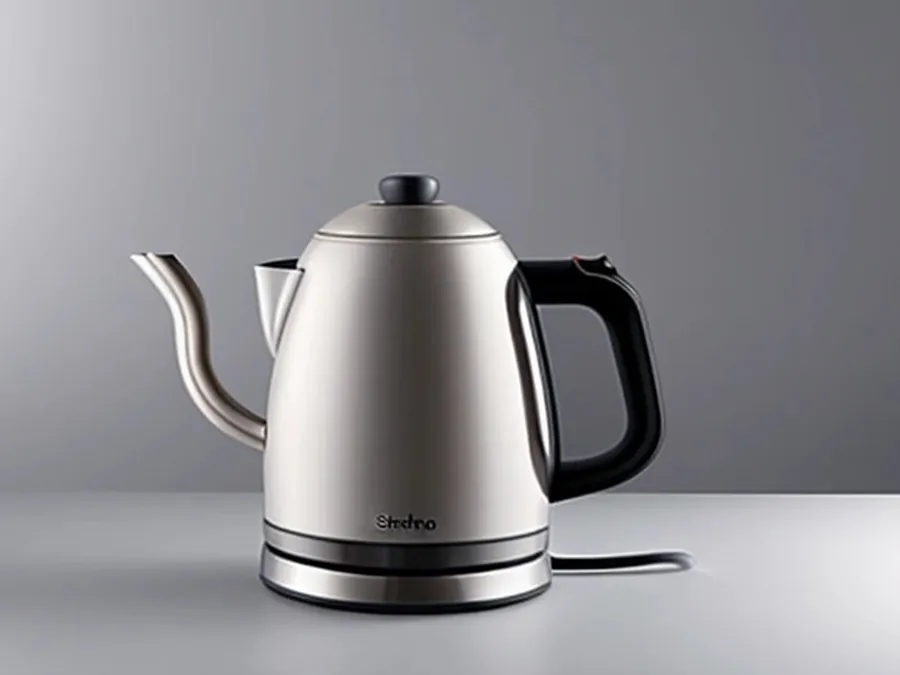
- Difficulty
- Easy
- Time
- 30 to 60 minutes
- Tools
- White vinegar or citric acid, water, soft brush, sponge, clean cloth
- Call a pro if
- The kettle leaks, the base is damaged, the cord is frayed or it trips the breaker when it boils.
In this guide
- Power off first
- Chemical safety
Hard water leaves white, flaky hard water buildup inside a kettle. It slows boiling, adds a chalky taste and makes the heating element work harder. Descaling is simple and cheap. Here is how to descale an electric kettle.
1. Check the scale
1. Look inside the kettle for white or gray crust.
2. Check the heating element at the bottom.
3. Remove the filter from the spout if it lifts out.
4. Empty any water.
2. Mix the solution
1. Use one part white vinegar to two parts water, or one tablespoon of citric acid per cup of water.
2. Fill the kettle to at least half full.
3. Do not fill past the max line.
4. Stir lightly.
3. Boil the solution
1. Close the lid and switch the kettle on.
2. Let it boil, then turn it off.
3. Unplug it.
4. Leave the solution in the kettle.
4. Let it soak
1. Wait 20 to 30 minutes.
2. For heavy scale, soak for an hour.
3. Check that the water covers the scale line.
4. Do not open the lid while it is very hot.
5. Pour it out
1. Pour out the solution carefully into the sink.
2. Look for flakes of scale.
3. Note what remains.
4. Do not drink the solution.
6. Scrub if needed
1. Use a soft brush or sponge on any scale that remains.
2. Do not use steel wool or a metal tool.
3. Repeat the soak for stubborn scale.
4. Clean the filter with an old toothbrush.
7. Rinse well
1. Fill the kettle with fresh water and boil.
2. Pour it out.
3. Repeat two or three times.
4. Smell the kettle to check for leftover vinegar.
8. Prevent buildup
1. Empty the kettle after each use instead of leaving old water in it.
2. Use filtered water if your water is hard.
3. Descale monthly in hard water areas.
4. Wipe the outside with a damp cloth.
When to stop and call a pro
Stop using a kettle that leaks from the base, makes a crackling noise that is not scale, trips the breaker, or has a cord or plug that is hot, frayed or loose. Electric kettles should be replaced rather than repaired. Keep the kettle on a flat, dry counter, and never run it without water. If the lid will not shut or the automatic switch fails to turn off the kettle when the water boils, unplug it and discard it. Descale products labeled for kettles are safe when used as directed, but vinegar is enough for most people.
Related guides
- How to clean a coffee maker
- How to clean a toaster oven
- How to clean a dishwasher filter
- How to Clean a Humidifier to Prevent Mold, Film, and White Dust
Common mistakes
- Boiling vinegar in a closed room.
- Using steel wool inside the kettle.
- Not rinsing until the smell is gone.
- Leaving old water sitting in the kettle.
- Immersing the base in water.
FAQ
How often should I descale a kettle?
Monthly in hard water areas, every few months elsewhere.
Is hard water buildup harmful?
It is not harmful, but it affects taste and efficiency.
Can I use lemon juice?
Yes. Lemon juice or citric acid works the same way.
Why does it still smell of vinegar?
Rinse and boil fresh water several more times.
More from this topic
- Dishwasher Leaving White Film on Glasses: Dishwasher leaving white film on glasses? Learn to tell film from etching, why hard water and detergent cause...
- How to Clean a Coffee Maker With Vinegar and Remove Buildup: Learn how to clean a coffee maker with vinegar: run a descaling cycle, rinse well, wash the carafe and...
- How to Clean a Water Dispenser and Cooler Safely: Learn how to clean a water dispenser: unplug it, drain the tank, wash the reservoir and spigot with a mild...
- Dishwasher Leaving Spots on Dishes: What It Means: A dishwasher leaving spots on dishes almost always means hard water, no rinse aid or low water temperature....
- Electric Stove Burner Not Heating: How to Fix It: Electric stove burner not heating? Swap the coil with a working one, check the receptacle and the switch....
 KitchenDishwasher Leaving White Film on GlassesDishwasher leaving white film on glasses? Learn to tell film from etching, why hard water and detergent cause it, and the fixes that restore shine.
 KitchenHow to Clean a Coffee Maker With Vinegar and Remove BuildupLearn how to clean a coffee maker with vinegar: run a descaling cycle, rinse well, wash the carafe and basket, and keep coffee tasting fresh.
 KitchenHow to Clean a Water Dispenser and Cooler SafelyLearn how to clean a water dispenser: unplug it, drain the tank, wash the reservoir and spigot with a mild vinegar mix and rinse until the taste is clean.
 KitchenDishwasher Leaving Spots on Dishes: What It MeansA dishwasher leaving spots on dishes almost always means hard water, no rinse aid or low water temperature. Fix it in this order, cheapest first.
 KitchenElectric Stove Burner Not Heating: How to Fix ItElectric stove burner not heating? Swap the coil with a working one, check the receptacle and the switch. Safe steps, tools and when to call a pro.