
How to Drill Into Concrete Without Cracking It
Part of: Outdoors and garage · Also in: The Complete Guide to Outdoor and Yard Repair for Homeowners
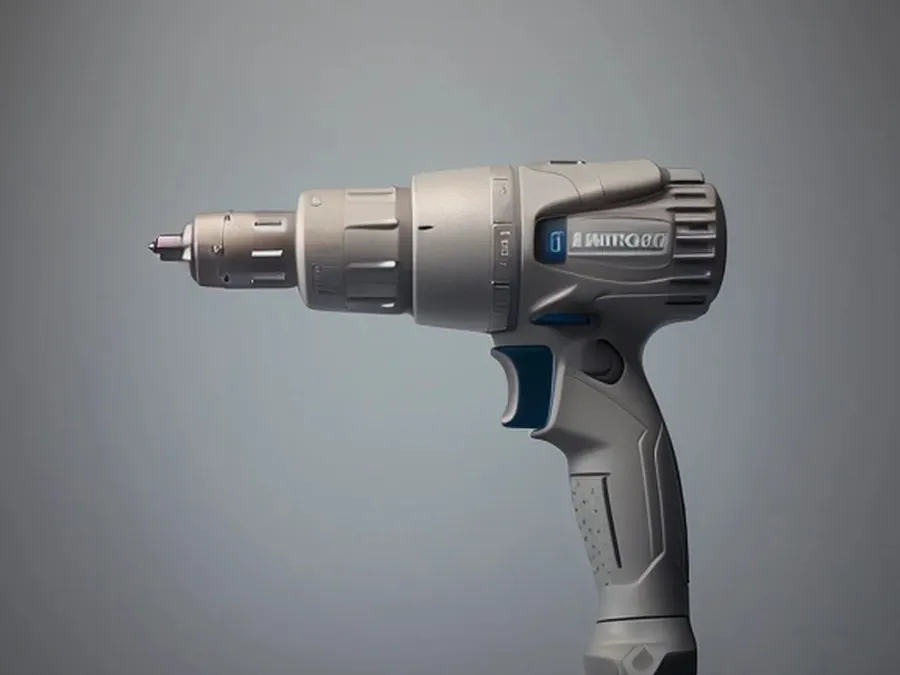
- Difficulty
- Medium
- Time
- About 10 minutes per hole
- Tools
- A hammer drill, masonry bits, safety glasses, hearing protection, a dust mask and a shop vacuum
- Call a pro if
- You hit rebar repeatedly, the concrete cracks or crumbles around the hole, or you are drilling into a post-tension slab.
In this guide
- Wear protection
Concrete looks intimidating, but with a hammer drill and the right bit it drills like hardwood. The trick is letting the tool do the work and clearing dust as you go. Here is how to drill into concrete the right way.
1. Use the right drill
1. A hammer drill pounds as it spins, which is what breaks up concrete.
2. A regular drill will eventually make a hole but overheats the bit and takes forever.
3. For a few holes, rent a hammer drill rather than buying one.
4. For heavy work or big holes, a rotary hammer is the pro tool.
2. Choose a masonry bit
1. Use a carbide-tipped masonry bit sized to your anchor.
2. Match the bit to the anchor exactly; the anchor packaging lists the size.
3. Dull bits skate and overheat, so start with a sharp one.
4. Keep the next size smaller handy for starting stubborn holes.
3. Mark and start the hole
1. Mark the spot with a pencil or a piece of tape.
2. Start at low speed so the bit does not wander across the smooth surface.
3. A small pilot dimple from a nail set or a smaller bit helps the main bit bite.
4. Hold the drill square to the wall so the hole goes straight.
4. Drill with steady pressure
1. Switch to hammer mode and apply firm, even pressure.
2. Let the drill pound; forcing it overheats the bit and cracks the surface.
3. Pull the bit out every 10 to 15 seconds to clear dust from the hole.
4. If you hit something hard that stops the bit, it may be rebar; move the hole over an inch.
5. Clear the dust
1. Vacuum the hole with a shop vacuum or blow it out with a squeeze bulb.
2. Dust left in the hole keeps anchors from gripping fully.
3. Drill slightly deeper than the anchor length so dust has somewhere to go.
4. A clean hole is the difference between an anchor that holds and one that pulls out.
6. Set the anchor
1. Push the anchor in flush; tap it gently with a hammer if needed.
2. For sleeve anchors, tighten the nut to expand the sleeve against the concrete.
3. For screws like concrete screws, drive them straight in with the drill.
4. Give the fixture a firm tug to confirm the anchor is solid.
7. Work around common problems
1. Crumbly, old concrete: use longer anchors that reach solid material deeper in.
2. Rebar: shift the hole an inch or two rather than drilling through it.
3. Overheated bit: let it cool and check the tip; a dull bit needs replacing.
4. Cracked surface around the hole: the hole is too close to an edge; move at least two inches in.
Common mistakes
- Using a regular drill on hammer mode's job and burning out the bit and the motor.
- Leaving dust in the hole, which cuts anchor strength dramatically.
- Drilling too close to an edge or corner, which breaks off a chunk of concrete.
- Forcing the drill, which overheats the bit and chips the surface around the hole.
FAQ
Can I drill into concrete with a regular drill?
For a small hole or two in soft concrete, a regular drill with a masonry bit can work, but it is slow and hard on the bit. A hammer drill does the same hole in seconds.
What size bit do I need for a concrete anchor?
The anchor packaging lists the exact bit size. Matching it matters: too small and the anchor will not seat, too large and it will not grip.
How do I know if I hit rebar?
The drill stops dead with a metallic feel, and the dust may look darker. Do not push through; move the hole over an inch or two.
Is concrete dust dangerous?
Yes. Concrete dust contains silica, which harms lungs. Wear a dust mask, vacuum as you go and avoid blowing dust around the space.
Related guides
- How to Drill Into Tile Without Cracking It: Learn how to drill into tile: use a carbide or diamond bit, tape the surface, start slow and keep the bit...
- How to Anchor a Heavy Item Into a Brick Wall: Learn how to anchor a heavy item into a brick wall: pick the fixing for the load, drill the brick not the...
- How to Remove Ice From a Walkway Without Damage: Learn how to remove ice from a walkway without damage: shovel early, pick a de-icer safe for concrete, and...
- How to Repair a Cracked Concrete Step Nosing: Learn how to repair a cracked concrete step nosing: cut back the broken edge, form it and patch with a mix...
- How to Repair a Sagging Patio Step: Learn how to repair a sagging patio step: find the cause, reset the tread on a firm base and stop water from...
 Tools and BasicsHow to Drill Into Tile Without Cracking ItLearn how to drill into tile: use a carbide or diamond bit, tape the surface, start slow and keep the bit cool so the glaze never chips.
 Tools and BasicsHow to Anchor a Heavy Item Into a Brick WallLearn how to anchor a heavy item into a brick wall: pick the fixing for the load, drill the brick not the mortar and test before loading it.
 Garage and OutdoorsHow to Remove Ice From a Walkway Without DamageLearn how to remove ice from a walkway without damage: shovel early, pick a de-icer safe for concrete, and avoid the tools that crack slabs and kill plants.
 Garage and OutdoorsHow to Repair a Cracked Concrete Step NosingLearn how to repair a cracked concrete step nosing: cut back the broken edge, form it and patch with a mix that will hold.
 Garage and OutdoorsHow to Repair a Sagging Patio StepLearn how to repair a sagging patio step: find the cause, reset the tread on a firm base and stop water from undermining it again.