
How to Fix a Heaved Sidewalk Slab
Part of: Outdoors and garage
- Difficulty
- Hard
- Time
- 3 to 8 hours or a contractor visit
- Tools
- Straightedge, hammer, cold chisel, grinding wheel or rubbing brick, mudjacking kit or contractor, pry bar, gravel, safety glasses, gloves
- Call a pro if
- The lift is more than an inch, the panel is cracked through, or a tree root is the cause, since roots and deep lifts need a contractor.
In this guide
- Wear protection
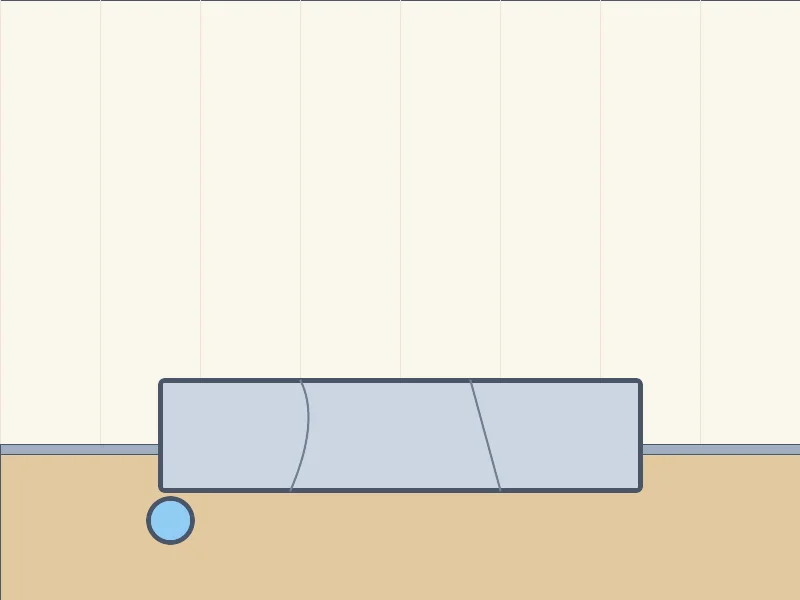
A heaved sidewalk slab is one that has been pushed up, usually by a tree root, by frost, or by soil that swelled after water got under it. The result is a lip that catches a toe. There are three honest fixes: grind the lip down, lift the low panel to match, or replace the panel. Here is how to fix a heaved sidewalk slab.
1. Measure the lift
1. Lay a straightedge across the joint.
2. Measure the height difference between panels.
3. Under a quarter inch is a grind.
4. A quarter to an inch is a grind or a lift.
5. Over an inch usually means replacement.
2. Find the cause
1. Tree roots: look for a tree within a few feet.
2. Frost: the lift appears each winter and drops in spring.
3. Water: soil stays wet and swells, or freezes under the slab.
4. Poor base: the gravel under the slab was thin.
5. The cause decides whether the fix will last.
3. Decide the method
1. Small lip, sound slab: grind it.
2. Low panel next to a high one: mudjack or foam-lift it.
3. Cracked or crumbled panel: replace it.
4. Root lifting a long run: remove the root or reroute the walk.
4. Grind a small lip
1. Mark the high edge.
2. Use a grinding wheel or a rubbing brick.
3. Work along the joint, not across the panel.
4. Keep the surface flat, not rounded.
5. Check with a straightedge as you go.
5. Lift a sunken panel
1. A mudjacking or foam-lifting contractor drills small holes.
2. Material is pumped under the slab.
3. The slab rises to the level you want.
4. Holes are patched.
5. It is cheaper than replacement and takes a morning.
6. Replace a panel yourself
1. Cut the joint lines on both sides.
2. Break out the concrete with a sledge.
3. Save the pieces for disposal; concrete is heavy.
4. Rebuild the base with compacted gravel.
5. Form, pour and finish a new panel.
7. Deal with a tree root
1. Cutting a root can kill or destabilize a tree.
2. A small surface root can sometimes be removed.
3. A large root needs an arborist's opinion.
4. Rerouting the walk around the tree is often the better answer.
5. Never cut a root without knowing what it does to the tree.
8. Fix the water
1. Check the gutter outlets near the walk.
2. Point downspouts away from the slab.
3. Regrade soil so it falls away from the walk.
4. Water under a slab is what freezes and lifts it.
9. Make it safe now
1. Mark the lift with a cone.
2. Warn anyone who uses the walk.
3. A temporary ramp of cold patch can get you through a week.
4. Do not leave a lip over half an inch unmarked.
5. Check the walk after every freeze.
10. Keep it level
- Keep water off the walk.
- Watch the joint after the first freeze.
- Grind small lips early.
- Do not plant large trees close to a walk.
- Check the walk each spring.
Common mistakes
- Grinding a lip on a cracked panel; it will break out.
- Cutting a big tree root without advice.
- Ignoring the water that caused the lift.
- Leaving a lip unmarked while you plan the repair.
- Patching with mortar, which crumbles in a season.
Related guides
FAQ
Can a heaved sidewalk be pushed back down?
Only with mudjacking or foam lifting, and only if the slab is sound.
Is grinding a sidewalk lip allowed?
Usually yes on private walks; check local rules if the walk is in a public right of way.
Why does one panel lift every winter?
Water in the soil under it freezes and expands, or a root is growing under the joint.
Who pays if the lifted walk is by the street?
Often the city, since that is usually public right of way. Ask before spending money.
More from this topic
- How to Repair a Cracked Sidewalk Panel: Learn how to repair a cracked sidewalk panel: judge whether it is cosmetic or structural, clean and fill the...
- How to Fill a Concrete Joint Crack: Learn how to fill a concrete joint crack: clean the joint, set a backer rod and seal it so water stops...
- How to Fix a Ponding Spot in a Driveway: Learn how to fix a ponding spot in a driveway: find why water stands, level the low area, patch with the...
- How to Repair a Cracked Driveway Apron: How to repair a cracked driveway apron: what the street joint and runoff do, when a patch is wasted, who is...
- How to Repair a Cracked Patio Slab: How to repair a cracked patio slab: test for movement, read the crack pattern, fix the water, then seal,...
 Garage and OutdoorsHow to Repair a Cracked Sidewalk PanelLearn how to repair a cracked sidewalk panel: judge whether it is cosmetic or structural, clean and fill the crack, or replace the panel when needed.
 Garage and OutdoorsHow to Fill a Concrete Joint CrackLearn how to fill a concrete joint crack: clean the joint, set a backer rod and seal it so water stops getting under the slab.
 Garage and OutdoorsHow to Fix a Ponding Spot in a DrivewayLearn how to fix a ponding spot in a driveway: find why water stands, level the low area, patch with the right mix and send runoff away from the slab.
 Garage and OutdoorsHow to Repair a Cracked Driveway ApronHow to repair a cracked driveway apron: what the street joint and runoff do, when a patch is wasted, who is responsible, and how to keep water out.
 Garage and OutdoorsHow to Repair a Cracked Patio SlabHow to repair a cracked patio slab: test for movement, read the crack pattern, fix the water, then seal, patch, lift or replace.