
How to Fix Wall Damage From a Door Knob
Part of: Tools and everyday fixes
- Difficulty
- Easy
- Time
- A few hours plus drying
- Tools
- Utility knife, spackle or setting compound, putty knives, sandpaper, primer, touch up paint, a door stop or wall bumper
- Call a pro if
- The door has punched the same spot repeatedly and the stud area is damaged, or the wall crumbles well past the dent.
In this guide
- Wear protection
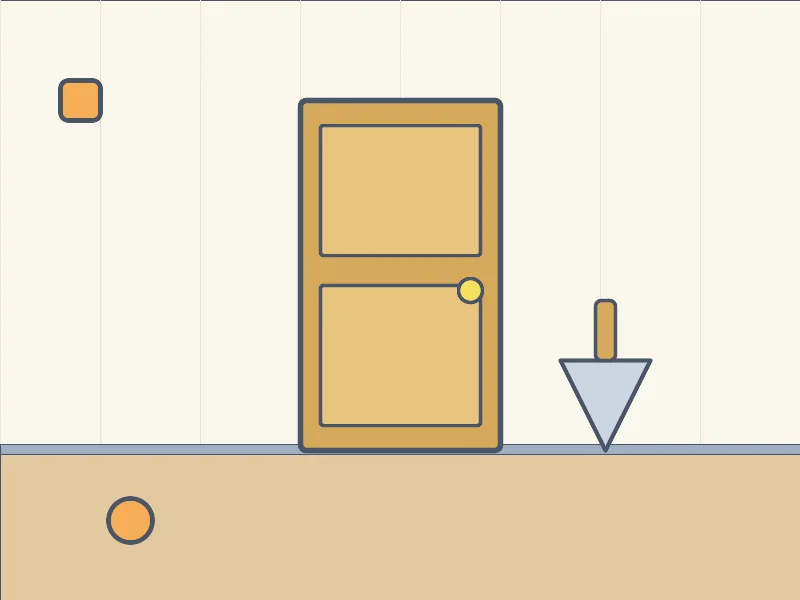
Every home has one: the door that swings hard and the knob that met the drywall. Small dents fill in minutes; a punched hole takes a patch; and the repair is wasted without a stop to prevent the sequel. Here is how to fix wall damage from a door knob.
1. Classify the damage
1. A dent with intact paper is a fill and sand.
2. Cracked paper around a crater is a trim and fill.
3. A hole clean through is a patch, as in filling a deep hole in a wall.
2. Trim the loose material
1. Cut away cracked, lifted paper with a sharp knife.
2. Pull out crumbs of broken gypsum.
3. Filler over loose material falls out with it.
3. Bevel the edges of holes
1. Cut the edge so the face is wider than the back.
2. The bevel locks the patch in.
3. Brush the dust out of the cavity.
4. Fill small dents
1. Press spackle into the dent with a putty knife.
2. Slightly overfill for shrinkage.
3. One pass usually finishes a shallow dent.
5. Back and fill deeper holes
1. Holes past the surface need backing, per the deep hole method.
2. Pack setting compound in layers.
3. Two thin layers beat one deep blob.
6. Let each layer set
1. Wait for a full color change.
2. Deep fills shrink as they set.
3. Recoat only when firm.
7. Skim the surface
1. Finish with a thin coat of joint compound.
2. Feather a few inches past the damage.
3. A wide feather hides the patch under paint.
8. Sand it flat
1. Sand with fine paper once dry.
2. Check with a flat palm.
3. Raking light confirms, flashlight held along the wall.
9. Prime the patch
Raw compound drinks paint unevenly and shows as a dull patch under any sheen finish. Brush a stain-blocking primer over the repair, let it dry hard, then paint. Skipping the primer is what makes a patch visible even when the color matches.
10. Touch up the paint
1. Dab matching paint over the patch.
2. Feather the edges, per touching up paint on walls.
3. A whole wall coat is the fallback if the match shows.
11. Check the texture
1. Textured walls need the pattern rebuilt.
2. Fixing texture on a patched wall covers the blend.
3. Smooth walls are done at paint.
12. Fit a door stop
1. A floor or baseboard stop catches the door before the knob lands.
2. Position it so the stop meets the door, not the knob.
3. This is the step that makes the repair the last one.
13. Consider a wall bumper instead
1. Where a floor stop trips people, an adhesive bumper on the wall works.
2. Place it exactly where the knob lands.
3. It hides the repair and takes future hits.
Common mistakes
- Filling over loose, cracked paper, which falls out with the filler.
- Packing a deep hole in one pass, which shrinks and sinks.
- Skipping primer, so the patch flashes as a dull spot.
- Repairing without installing a stop, so the knob reopens the same crater.
FAQ
Can I just spackle a door knob hole?
A dent, yes. A hole through the board needs backing, or the spackle plug falls into the cavity.
Why does the same spot keep getting hit?
The door swings freely and nothing stops it. The repair is only complete when a stop or bumper takes the impact instead.
The hole is bigger than the knob. Now what?
Repeated hits crumble a wide area. Cut back to solid board and patch per filling a deep hole in a wall.
Floor stop or hinge stop?
Either works. Hinge mounted stops need no drilling into floors; baseboard stops are sturdier for heavy doors.
Related guides
- How to Patch a Hole in a Textured Wall: Learn how to patch a hole in a textured wall and match the texture, with the patch, the compound and the...
- How to Cut a Drywall Hole for an Electrical Box: Learn how to cut a drywall hole for an electrical box with the box as your template, the right saw and a cut...
- How to Repair Water Damaged Drywall: Learn how to repair water damaged drywall by finding the leak first, cutting back to sound board and patching...
- How to Fill a Deep Hole in a Wall: Learn how to fill a deep hole in a wall with backing, layered compound and sanding, so the repair stays flat...
- How to Fix a Hollow Spot in a Wall: Learn how to fix a hollow spot in a wall, from reattaching loose drywall to cutting out and patching sections...
 DrywallHow to Patch a Hole in a Textured WallLearn how to patch a hole in a textured wall and match the texture, with the patch, the compound and the technique that hides the repair.DrywallHow to Cut a Drywall Hole for an Electrical BoxLearn how to cut a drywall hole for an electrical box with the box as your template, the right saw and a cut that the cover plate hides.
 DrywallHow to Repair Water Damaged DrywallLearn how to repair water damaged drywall by finding the leak first, cutting back to sound board and patching so the repair does not stain.
 DrywallHow to Fill a Deep Hole in a WallLearn how to fill a deep hole in a wall with backing, layered compound and sanding, so the repair stays flat and does not sink or crack.
 DrywallHow to Fix a Hollow Spot in a WallLearn how to fix a hollow spot in a wall, from reattaching loose drywall to cutting out and patching sections that have failed.