
How to Install a Downspout Extension
Part of: Outdoors and garage · Also in: The Complete Guide to Outdoor and Yard Repair for Homeowners
- Difficulty
- Easy
- Time
- 30 to 60 minutes
- Tools
- Downspout extension, elbow, hacksaw, sheet metal screws, drill, level, gloves, safety glasses
- Call a pro if
- The ground falls toward the house, or the extension would cross a walkway where someone could trip.
In this guide
- Wear protection
A downspout that ends at the wall dumps a roof's worth of water against the foundation. An extension moves it out. Here is how to install a downspout extension.
1. Check where the water lands
1. Run a hose down the downspout on a dry day.
2. Watch where the water pools.
3. Note how far it needs to travel.
2. Measure the run
1. Measure from the downspout to a safe outlet.
2. Aim for several feet from the wall.
3. Keep the route clear of walkways.
3. Choose the extension
1. Rigid metal or plastic suits a straight run.
2. Flexible pipe suits a curve around a bed.
3. Check the size matches the downspout.
4. Cut the downspout if needed
1. Mark the height for the elbow.
2. Cut square with a hacksaw.
3. File the cut edges smooth.
5. Fit the elbow
1. Slide the elbow onto the downspout.
2. Point it along the run.
3. Fix it with sheet metal screws.
6. Set the fall
1. Check the extension slopes away from the house.
2. Aim for a steady fall along the run.
3. Support the far end so it does not sag.
7. Join the sections
1. Overlap joints in the direction of flow.
2. Fix each joint with a screw.
3. Seal a metal joint if it seeps.
8. Finish the outlet
1. Fit a splash block or a gravel pad at the end.
2. Keep the outlet off the lawn edge.
3. Check the water runs away, not back.
9. Test it
1. Run water down the downspout.
2. Watch the full run for leaks.
3. Check the outlet does not scour the soil.
10. Keep it clear
1. Check the extension each season.
2. Clear leaves from the outlet.
3. Lift and clean a buried flexible pipe.
Winter and the flexible pipe problem
Flexible corrugated pipe holds water in its ridges, and water that freezes splits the pipe or blocks it. If you use a flexible extension, lift it before the first hard freeze and drain it, or fit a rigid section with a proper fall. Check the outlet after every autumn storm too, because a pipe that ends in leaves stops working quietly and the water goes back to the wall.
Common mistakes
- An extension that runs uphill.
- A flexible pipe crushed under a mower wheel.
- An outlet that dumps water on a walkway.
- Joints facing against the flow, so they leak.
- No support, so the run sags and holds water.
Related guides
- How to Install a Gutter Downspout Strainer
- How to Install a Window Well Cover
- How to Clean a Downspout That Is Clogged
- How to Replace a Downspout That Is Leaking or Blocked
- How to Install an Underground Downspout Drain
FAQ
How far should a downspout extension run?
Several feet from the foundation, farther on a slope that falls toward the house.
Can I bury the extension?
Yes, with rigid pipe and a pop up outlet, but keep it below the frost line or drain it.
What if the ground slopes toward the house?
An extension alone will not fix that. The grade needs correcting.
Will an extension freeze in winter?
Rigid pipe can hold water. Disconnect or drain it before a hard freeze.
More from this topic
- How to Install a Concrete Splash Block: Learn how to install a concrete splash block: set it level, slope it away from the wall and stop the...
- How to Install a Gutter Downspout Strainer: Learn how to install a gutter downspout strainer: fit the basket in the outlet and keep leaves out of the...
- Downspout Drainage: How to Direct Water Away From Your House: Downspout drainage that dumps water at the foundation can flood a basement. Learn how to add extensions,...
- How to Install a Gutter Guard: Learn how to install a gutter guard: measure the gutter, clean it first, choose mesh, screen or solid covers...
- How to Install a Rain Chain: Learn how to install a rain chain: fit the gutter outlet, hang the chain plumb and build a basin that carries...
 Garage and OutdoorsHow to Install a Concrete Splash BlockLearn how to install a concrete splash block: set it level, slope it away from the wall and stop the downspout eroding the soil.
 Garage and OutdoorsHow to Install a Gutter Downspout StrainerLearn how to install a gutter downspout strainer: fit the basket in the outlet and keep leaves out of the buried drain.
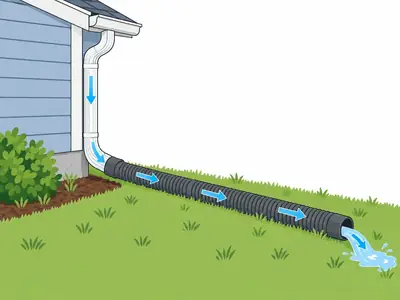 Garage and OutdoorsDownspout Drainage: How to Direct Water Away From Your HouseDownspout drainage that dumps water at the foundation can flood a basement. Learn how to add extensions, splash blocks and grading to move water away.
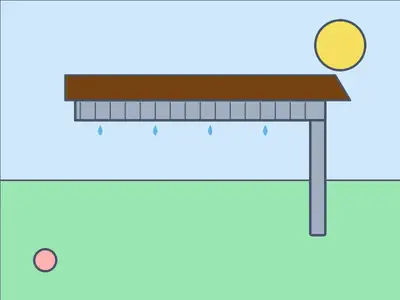 Garage and OutdoorsHow to Install a Gutter GuardLearn how to install a gutter guard: measure the gutter, clean it first, choose mesh, screen or solid covers and fit them so water still reaches the outlet.
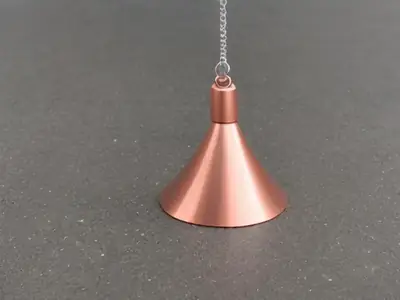 Garage and OutdoorsHow to Install a Rain ChainLearn how to install a rain chain: fit the gutter outlet, hang the chain plumb and build a basin that carries water away.