
How to Install a Concrete Splash Block
Part of: Outdoors and garage
- Difficulty
- Easy
- Time
- 30 to 45 minutes
- Tools
- Shovel, level, rubber mallet, gravel, splash block, gloves, hose
- Call a pro if
- The ground still floods with a block in place, or water runs back toward the foundation, since that needs drainage work.
In this guide
- Wear protection
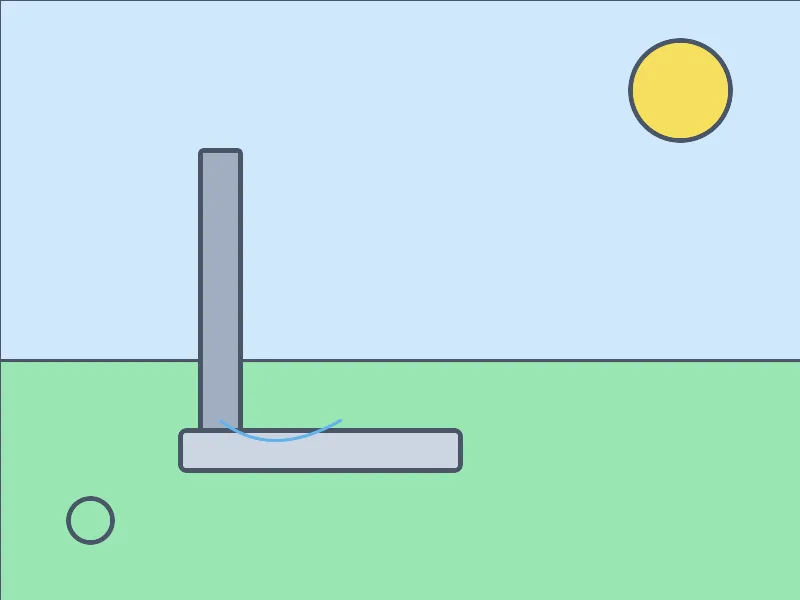
A downspout that dumps water at the wall washes out soil and pushes water into the basement. A splash block is the cheapest fix in the whole gutter system. Here is how to install a concrete splash block.
1. Watch where the water lands
1. Run a hose down the downspout on a dry day.
2. Watch where the water hits and where it runs.
3. Note any puddle against the wall.
2. Check the outlet height
1. Measure from the downspout end to the ground.
2. A block needs a couple of inches of clearance to sit under the spout.
3. If the spout is too low, shorten it or raise the elbow.
3. Pick the right block
1. Choose a block long enough to carry water a few feet out.
2. Match the width to the downspout so water lands on the block.
3. Check it has a channel or a slope built in.
4. Clear the spot
1. Remove grass, weeds and loose soil where the block will sit.
2. Level the area roughly with a shovel.
3. Check the ground is firm, not soft fill.
5. Bed it on gravel
1. Spread an inch or two of gravel over the spot.
2. Rake it flat.
3. Gravel keeps the block from sinking and helps water drain.
6. Set the block in place
1. Lower the block onto the gravel.
2. Set the high end under the downspout.
3. Tap it gently with a mallet to bed it.
4. Check it does not rock.
7. Slope it away from the wall
1. Put a level on the block.
2. Raise the wall end slightly so water runs outward.
3. Recheck the slope after bedding.
8. Test the flow
1. Run water down the downspout.
2. Watch where it leaves the block.
3. Check no water runs back under the block.
4. Adjust the slope if it does.
9. Finish the edges
1. Pack soil around the sides of the block.
2. Sow grass or add gravel around it.
3. Keep the outlet clear of leaves.
10. Keep it working
1. Check the block after heavy rain.
2. Clear leaves from the downspout each season.
3. Lift the block and re-bed it if it sinks.
Common mistakes
- Setting the block flat so water sits in it.
- Bedding it on soft soil that sinks.
- Leaving the downspout too low to clear the block.
- Placing it where people walk.
- Forgetting to clear leaves from the outlet.
Related guides
- How to Install a Gutter Downspout Strainer
- How to Set Fence Posts in Concrete
- How to Clean Algae From a Concrete Driveway
- How to Build a Garden Wall From Concrete Blocks
- How to Clean a Concrete Retaining Wall
FAQ
How far from the house should a splash block sit?
Tight against the wall, with the channel sloping so water leaves a few feet out.
Do splash blocks work in heavy rain?
They handle normal rain. In a downpour the overflow still needs somewhere to go, so check the ground slopes away.
Can I use a plastic splash block instead?
Yes, but a concrete one stays put in wind and does not float or crack as easily.
What if the ground under the block is always wet?
That points to a drainage problem, not the block. Consider a longer downspout run or a drain.
More from this topic
- Downspout Drainage: How to Direct Water Away From Your House: Downspout drainage that dumps water at the foundation can flood a basement. Learn how to add extensions,...
- How to Install a Downspout Extension: Learn how to install a downspout extension: fit the elbow, run the pipe downhill and keep roof water away...
- How to Install a Gutter Downspout Strainer: Learn how to install a gutter downspout strainer: fit the basket in the outlet and keep leaves out of the...
- How to Install a Rain Chain: Learn how to install a rain chain: fit the gutter outlet, hang the chain plumb and build a basin that carries...
- How to Install a Culvert Pipe Under a Driveway: Learn how to install a culvert pipe under a driveway: size the pipe, dig the trench and backfill so water...
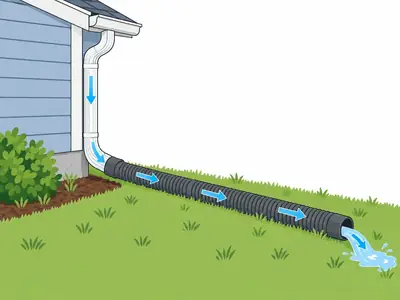 Garage and OutdoorsDownspout Drainage: How to Direct Water Away From Your HouseDownspout drainage that dumps water at the foundation can flood a basement. Learn how to add extensions, splash blocks and grading to move water away.
 Garage and OutdoorsHow to Install a Downspout ExtensionLearn how to install a downspout extension: fit the elbow, run the pipe downhill and keep roof water away from the foundation.
 Garage and OutdoorsHow to Install a Gutter Downspout StrainerLearn how to install a gutter downspout strainer: fit the basket in the outlet and keep leaves out of the buried drain.
 Garage and OutdoorsHow to Install a Rain ChainLearn how to install a rain chain: fit the gutter outlet, hang the chain plumb and build a basin that carries water away.
 Garage and OutdoorsHow to Install a Culvert Pipe Under a DrivewayLearn how to install a culvert pipe under a driveway: size the pipe, dig the trench and backfill so water passes and the drive holds.