
How to Install a Culvert Pipe Under a Driveway
Part of: Outdoors and garage
- Difficulty
- Hard
- Time
- 2 to 3 days
- Tools
- Shovel, mattock, wheelbarrow, level, string line, culvert pipe, gravel, compacting tool, gloves, boots, safety glasses
- Call a pro if
- The drive carries vehicles regularly, or the pipe has to be larger than about a foot across, since sizing and load matter.
In this guide
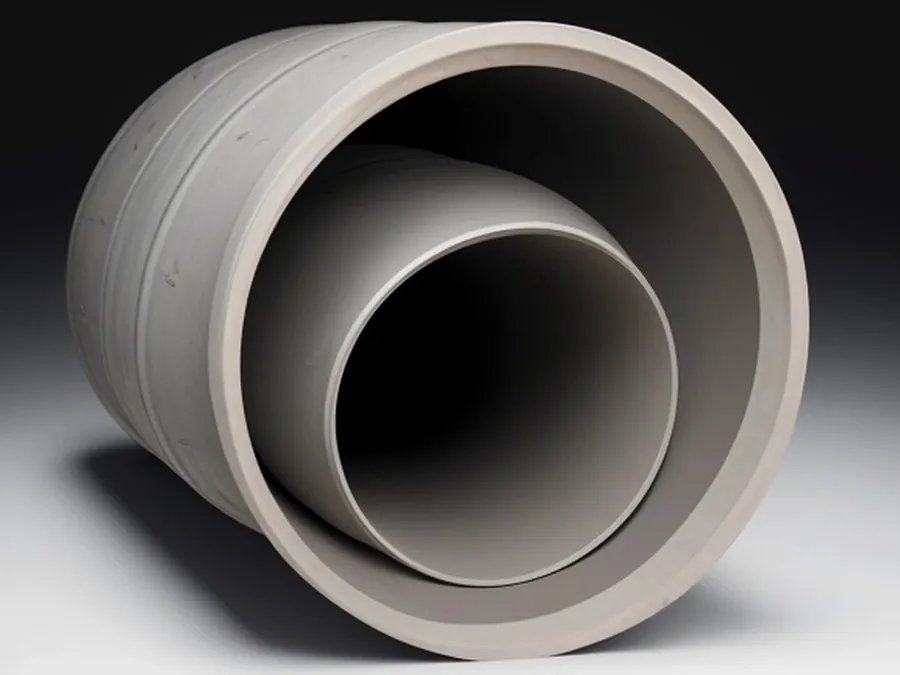
A driveway across a drainage path needs a culvert, or the water goes over the top and takes the gravel with it. Here is how to install a culvert pipe under a driveway.
1. Check the rules
1. Ask whether a driveway culvert needs permission.
2. Check the size the local authority requires.
3. Check for utility lines along the drive.
2. Size the pipe
1. Measure the width of the water channel.
2. Choose a pipe wider than the channel at flood.
3. Bigger is safer than smaller.
3. Mark the crossing
1. Mark the trench line across the drive.
2. Mark the pipe ends beyond the drive edges.
3. Keep the line square to the drive.
4. Dig the trench
1. Cut the drive surface and set it aside.
2. Dig down below the pipe diameter.
3. Keep the trench bottom on a steady fall.
5. Prepare the bed
1. Line the trench with gravel.
2. Compact it flat.
3. Check the fall along the trench.
6. Lay the pipe
1. Lower the pipe into the trench.
2. Keep the bell end facing uphill.
3. Check the fall with a level.
7. Backfill in layers
1. Add gravel around the pipe in layers.
2. Compact each layer before the next.
3. Keep the pipe round, not squashed.
8. Protect the ends
1. Build a headwall or set stone at each end.
2. Slope the ground into the pipe.
3. Keep the outlet clear.
9. Restore the surface
1. Refill the drive surface in layers.
2. Compact until it is firm.
3. Check the surface drains across, not into, the pipe.
10. Check it after rain
1. Watch the water pass through.
2. Clear any debris at the inlet.
3. Top up gravel where it has settled.
Loads and cover depth
A culvert under a drive carries two things: water and whatever drives over it. The pipe needs enough cover that a wheel load spreads before it reaches the pipe, and the backfill has to be compacted or the surface will dip at the crossing within a season. Where heavy vehicles use the drive, concrete pipe or a higher load rating earns its cost. A crushed culvert is a far bigger job than digging the trench properly.
Common mistakes
- A pipe smaller than the flow.
- No fall, so the pipe silts up.
- Backfilling in one deep layer without compacting.
- Ends left open to collapse.
- Digging without checking for services.
Related guides
- How to Install a Rain Barrel Overflow Pipe
- How to Install an Underground Downspout Drain
- How to Seal a Concrete Driveway
- How to Clean Algae From a Concrete Driveway
- How to Repair a Gravel Driveway
- How to Clean a Concrete Patio or Driveway and Remove Stains
FAQ
How big should a driveway culvert be?
At least as wide as the channel at its highest flow, and larger if the drive is long.
Does a culvert need a permit?
Often yes, especially where it connects to a road ditch. Check first.
What pipe material is best?
Corrugated plastic or concrete, depending on load and budget. Concrete for heavy traffic.
How do I stop it silting up?
Keep a steady fall and clear the inlet of leaves and gravel.
More from this topic
- How to Install a Driveway Drainage Channel: Learn how to install a driveway drainage channel: plan the low line, cut the trench, set the channel in...
- How to Install a Gravel Shoulder Along a Driveway: Learn how to install a gravel shoulder along a driveway: cut the edge, lay fabric and stone and keep the...
- How to Install a Rain Barrel Overflow Pipe: Learn how to install a rain barrel overflow pipe: fit the bulkhead, run the pipe downhill and lead excess...
- How to Install a Rain Chain: Learn how to install a rain chain: fit the gutter outlet, hang the chain plumb and build a basin that carries...
- How to Fix a Washout on a Gravel Driveway: Learn how to fix a washout on a gravel driveway: fill the rut, correct the grade and divert water before it...
 Garage and OutdoorsHow to Install a Driveway Drainage ChannelLearn how to install a driveway drainage channel: plan the low line, cut the trench, set the channel in concrete and connect it so water leaves the driveway.
 Garage and OutdoorsHow to Install a Gravel Shoulder Along a DrivewayLearn how to install a gravel shoulder along a driveway: cut the edge, lay fabric and stone and keep the surface from crumbling.
 Garage and OutdoorsHow to Install a Rain Barrel Overflow PipeLearn how to install a rain barrel overflow pipe: fit the bulkhead, run the pipe downhill and lead excess water away.
 Garage and OutdoorsHow to Install a Rain ChainLearn how to install a rain chain: fit the gutter outlet, hang the chain plumb and build a basin that carries water away.
 Garage and OutdoorsHow to Fix a Washout on a Gravel DrivewayLearn how to fix a washout on a gravel driveway: fill the rut, correct the grade and divert water before it cuts again.