
How to Install a Rain Barrel Overflow Pipe
Part of: Outdoors and garage
- Difficulty
- Easy
- Time
- 30 to 60 minutes
- Tools
- Hole saw or drill, bulkhead fitting, overflow hose, hose clamps, level, gloves, safety glasses
- Call a pro if
- The barrel sits against a wall with no downhill route, or the overflow has to reach a drain you cannot access.
In this guide
- Wear protection
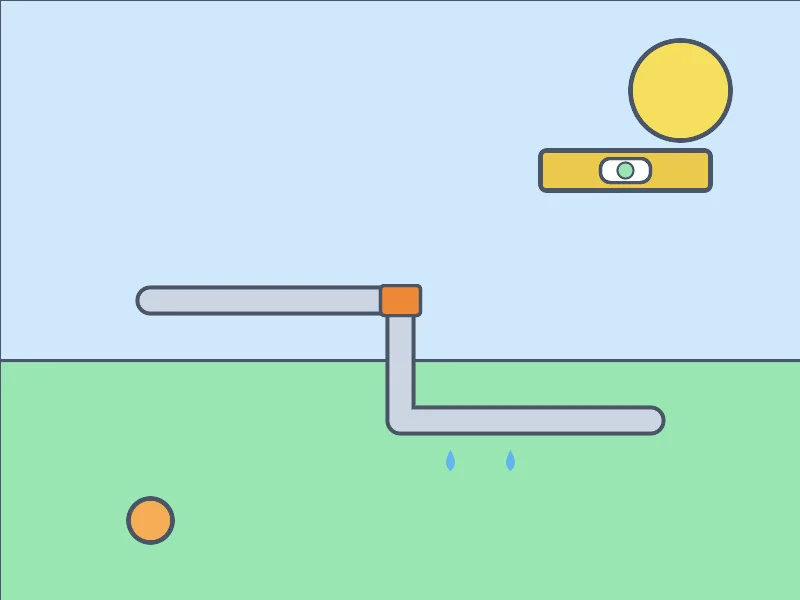
A rain barrel without an overflow is a leak waiting to happen at the top seam. The overflow decides where the extra water goes. Here is how to install a rain barrel overflow pipe.
1. Check the barrel
1. Find the highest point below the lid.
2. Check the barrel has a flat face for the fitting.
3. Note the barrel's height off the ground.
2. Plan where the water goes
1. Choose a planted bed or a gravel area.
2. Keep it away from the wall and the walkway.
3. Check the route runs downhill.
3. Empty the barrel
1. Drain it through the spigot.
2. Tip out the last of the water.
3. Let the inside dry so chips do not stick.
4. Mark the hole
1. Mark the height a few inches below the lid.
2. Check the mark is level with the route.
3. Mark the center clearly.
5. Drill the hole
1. Use a hole saw the size of the fitting.
2. Drill slowly so the plastic does not crack.
3. Clean the edges.
6. Fit the bulkhead
1. Push the fitting through the hole.
2. Fit the washer on the inside.
3. Tighten by hand, then a little more.
7. Connect the hose
1. Push the overflow hose onto the fitting.
2. Fix it with a hose clamp.
3. Keep the run short and downhill.
8. Support the run
1. Clip the hose to a wall or stake it.
2. Keep it off the ground where it can kink.
3. Check the outlet is clear.
9. Test it
1. Run a hose into the barrel until it overflows.
2. Watch water leave through the pipe.
3. Check for leaks at the fitting.
4. Adjust the fall if water sits.
10. Keep it clear
1. Check the overflow each season.
2. Clear leaves from the outlet.
3. Drain the barrel before winter.
Overflow size and the wet season
An overflow that is smaller than the inlet cannot keep up, and the barrel overflows at the lid instead. Match the overflow to the inlet, and if two barrels are linked, give each one its own outlet or size the shared pipe for the pair. In a long wet spell the barrel stays full and the overflow runs constantly, so the route it takes matters as much as the fitting. Check that route in the wettest week of the year, not in summer.
Common mistakes
- Fitting the overflow too low, so the barrel holds little.
- A hose run that goes uphill.
- No clamp, so the hose pulls off.
- Discharging onto a walkway.
- Drilling a full barrel.
FAQ
How high should the overflow be?
A few inches below the lid, high enough to use most of the barrel.
What size overflow pipe do I need?
At least as large as the inlet, so it can keep up in heavy rain.
Can I run the overflow into a drain?
Yes, if it is legal locally and the drain takes surface water.
What if the barrel is against a wall?
Run the overflow along the wall to a bed, keeping a fall the whole way.
Related guides
- How to Install a Rain Barrel Diverter: Learn how to install a rain barrel diverter: cut the downspout, fit the diverter and fill the barrel without...
- How to Install a Rain Barrel: Learn how to install a rain barrel at a downspout. Choose a spot, build a level base, cut the downspout and...
- How to Install a Culvert Pipe Under a Driveway: Learn how to install a culvert pipe under a driveway: size the pipe, dig the trench and backfill so water...
- Outdoor Outlet Cover: How to Install a Weatherproof One: Outdoor outlet cover installation: choose an in-use weatherproof cover, turn off power, seal the box and test...
- How to Install a Rain Chain: Learn how to install a rain chain: fit the gutter outlet, hang the chain plumb and build a basin that carries...
 Garage and OutdoorsHow to Install a Rain Barrel DiverterLearn how to install a rain barrel diverter: cut the downspout, fit the diverter and fill the barrel without overflowing.
 Garage and OutdoorsHow to Install a Rain BarrelLearn how to install a rain barrel at a downspout. Choose a spot, build a level base, cut the downspout and add an overflow so the barrel works and stays safe.
 Garage and OutdoorsHow to Install a Culvert Pipe Under a DrivewayLearn how to install a culvert pipe under a driveway: size the pipe, dig the trench and backfill so water passes and the drive holds.
 Garage and OutdoorsOutdoor Outlet Cover: How to Install a Weatherproof OneOutdoor outlet cover installation: choose an in-use weatherproof cover, turn off power, seal the box and test the GFCI. Steps, tools and safety notes.
 Garage and OutdoorsHow to Install a Rain ChainLearn how to install a rain chain: fit the gutter outlet, hang the chain plumb and build a basin that carries water away.