
How to Install a Patio Drain
Part of: Outdoors and garage
- Difficulty
- Moderate
- Time
- 4 to 8 hours
- Tools
- Shovel, cold chisel or saw, drain body and grate, pipe and fittings, level, concrete or mortar mix, trowel, gloves
- Call a pro if
- There is no downhill outlet, or the patio is on a slab tied to the house, since the drain needs a route and a structural cut.
In this guide
- Wear protection
- Call 811 before digging
A drain is the last resort in patio drainage, not the first. Water that stands in a corner is usually a grading problem, and a drain dropped into a low spot on a surface that still falls the wrong way just moves the puddle a few feet and gives it somewhere to silt up. Working out how to install a patio drain starts with the grading, not the drain.
Work out where the water comes from
Watch the patio during real rain rather than guessing from a dry surface. Note which way the surface falls, where the water arrives from, and where it leaves if it leaves at all. A corner that holds water because the slab was laid flat needs a different answer from a corner that floods because a downspout discharges onto it or because the lawn beside it is higher than the patio.
When you do not need a drain
If the low spot is small and the patio has any fall at all, adding or redoing a fall is often cheaper and always more reliable. Extending a downspout, lowering a bed that sits above the patio edge, or lifting and relaying a few pavers to restore a slope can solve it outright. For a paved patio, sweeping sand into the joints and re-screeding a dipped area works too. A drain is the right answer when the surface cannot be changed, when the patio is enclosed on all sides, or when water arrives from somewhere you cannot control.
The water needs somewhere to go
This is the decision that makes or breaks the job. A drain only works if the outlet is lower than the grate, all the way along the run. Options are a dry well in the garden, a pop-up emitter at the edge of a lawn, a connection to a storm system if the local rules allow it, or a daylight outlet to a ditch or slope. Check the route before cutting anything, and check with the city before connecting to a storm sewer, because that connection is regulated in most places and illegal in some.
Choose the drain for the shape of the puddle
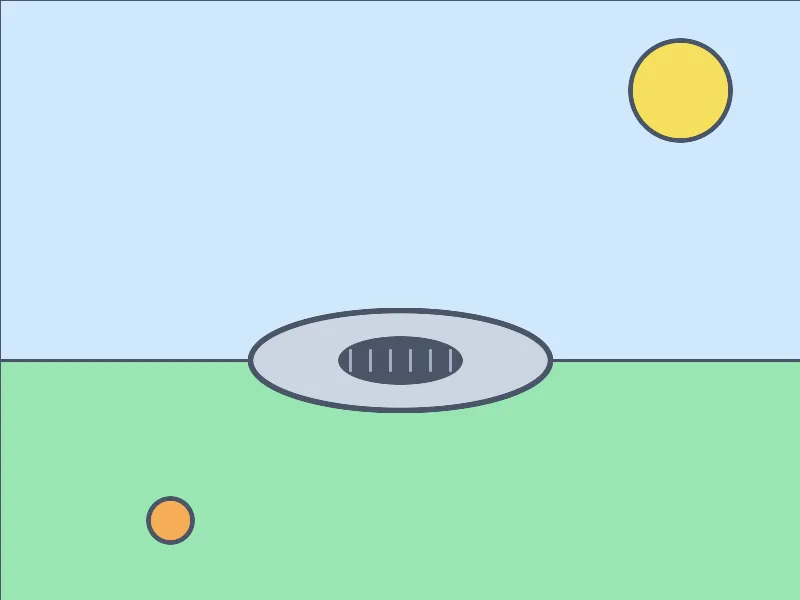
A round grate in a small low point, a channel drain along a line where water crosses the patio, and a larger body where a lot of water arrives at once. Load rating matters if a car or heavy furniture crosses it. Buy the body, grate and outlet fitting as a set, because matching parts later is harder than it sounds.
Setting it so it catches water
The grate sits a few millimeters below the surrounding surface, never above it, or water flows past. The body is bedded on concrete or a stiff mortar so it cannot settle, the surrounding patch is sloped toward the grate, and the pipe leaves with a continuous fall. Keep mortar out of the drain body while you work, and check the grate is level across its face even when the pipe runs downhill. Where the surface falls away from the drain, fix the surface, because a drain cannot outrun a slope.
Winter, leaves and the outlet
A patio drain is only as good as its maintenance. Lift the grate before winter and clear leaves and grit from the body, check the outlet is not blocked or buried, and confirm the grate screws are tight. In freezing weather a shallow outlet can ice over, which is why the run wants fall and, where possible, a discharge that stays clear.
Related guides
- How to Install a Driveway Drainage Channel: Learn how to install a driveway drainage channel: plan the low line, cut the trench, set the channel in...
- How to Fix a Sinking Patio: Learn how to fix a sinking patio: find why the slabs dropped, choose lifting or rebuilding, correct the base...
- How to Install an Underground Downspout Drain: Install an underground downspout drain: connect the leader, keep the fall, choose a pop-up emitter, daylight...
- How to Clear a Clogged Outdoor Drain or Catch Basin: Learn how to clear a clogged outdoor drain or catch basin. Remove the grate, scoop debris, flush the line and...
- How to Install a French Drain: Learn how to install a french drain: dig a sloped trench, line it with fabric and gravel and carry water to a...
 Garage and OutdoorsHow to Install a Driveway Drainage ChannelLearn how to install a driveway drainage channel: plan the low line, cut the trench, set the channel in concrete and connect it so water leaves the driveway.
 Garage and OutdoorsHow to Fix a Sinking PatioLearn how to fix a sinking patio: find why the slabs dropped, choose lifting or rebuilding, correct the base and keep water from washing it out again.
 Garage and OutdoorsHow to Install an Underground Downspout DrainInstall an underground downspout drain: connect the leader, keep the fall, choose a pop-up emitter, daylight or dry well, and spot a clogged line early.
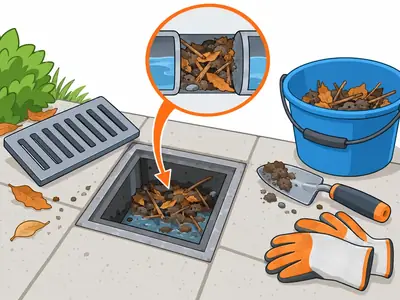 Garage and OutdoorsHow to Clear a Clogged Outdoor Drain or Catch BasinLearn how to clear a clogged outdoor drain or catch basin. Remove the grate, scoop debris, flush the line and fix standing water around your patio or yard.
 Garage and OutdoorsHow to Install a French DrainLearn how to install a french drain: dig a sloped trench, line it with fabric and gravel and carry water to a safe outlet.