
How to Install a Water Pressure Regulator
Part of: Basic plumbing
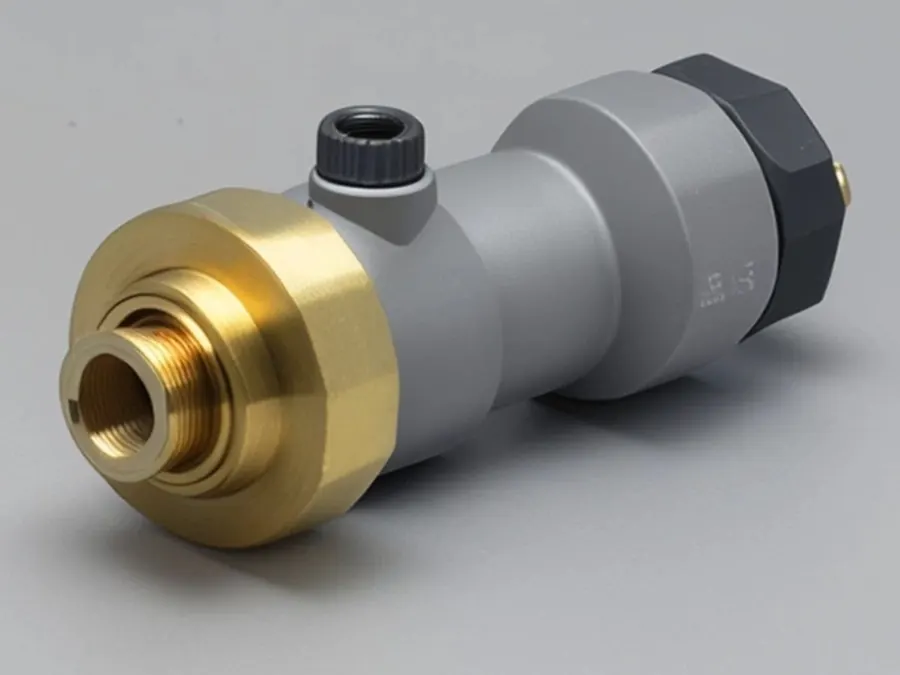
- Difficulty
- Moderate
- Time
- 2 to 4 hours
- Tools
- Pressure gauge, two wrenches, pipe cutter, compression or threaded fittings, Teflon tape, bucket, adjustable wrench, gloves
- Call a pro if
- The pressure is over 80 psi or the pipe is old galvanized steel, since high pressure and fragile pipe can fail during the swap.
In this guide
- Water off first
High water pressure is quiet damage: it hammers the pipes, wears out faucet cartridges and stresses every appliance connection. A regulator brings the house down to a safe range. How to install a water pressure regulator starts with a gauge on an outdoor faucet, because that reading decides whether you need one.
1. Test the pressure
1. Screw a pressure gauge onto an outdoor faucet or a laundry valve.
2. Open the valve and read the gauge.
3. Normal house pressure is 40 to 60 psi.
4. Above 80 psi needs a regulator.
5. Test again at a different fixture to confirm.
2. Check whether one exists
1. Look at the main line where it enters the house.
2. A regulator is a bell-shaped valve with an adjustable screw on top.
3. If one is there, it may only need adjusting.
4. Do not add a second regulator in series.
3. Plan the location
1. Fit it after the main shutoff valve.
2. Put it where you can reach the adjusting screw.
3. Leave room for a gauge port.
4. Keep it out of a spot that freezes.
5. Make sure the arrow points with the water flow.
4. Shut off and drain
1. Close the main shutoff valve.
2. Open the lowest faucet in the house.
3. Open a faucet upstairs to let air in.
4. Let the line drain into a bucket.
5. Check that no water is running anywhere.
5. Cut the pipe
1. Mark the cut with the regulator dry-installed in place.
2. Cut square with a pipe cutter.
3. Ream the cut edge.
4. Dry the pipe ends.
5. Test-fit the fittings before you tighten anything.
6. Fit the regulator
1. Wrap Teflon tape on the threads, in the direction of the thread.
2. Thread the fittings on hand tight.
3. Tighten with two wrenches, one holding the valve body.
4. Keep the arrow pointing downstream.
5. Do not overtighten compression nuts; they crush the ferrule.
7. Set the pressure
1. Turn the water back on slowly.
2. Open a faucet and let the air out.
3. Check every joint for leaks.
4. Read the gauge.
5. Turn the adjusting screw to set 50 to 60 psi.
8. Check the whole house
1. Run a faucet upstairs and downstairs.
2. Flush a toilet.
3. Run the shower.
4. Check the washing machine connection.
5. Look for leaks under every sink you disturbed.
9. Deal with problems
1. Pressure will not drop: the valve may be installed backwards.
2. Pressure creeps up at night: a bad valve or a thermal expansion issue.
3. Water hammers after the install: air in the line, or a failed valve.
4. A leak at a compression nut needs a re-cut and a new ferrule.
10. Keep it working
- Check the pressure once a year.
- Note the setting on the valve.
- Replace the valve every 10 to 15 years.
- Keep the area around it dry and clear.
Common mistakes
- Fitting the valve backwards.
- Overtightening compression fittings.
- Setting pressure too low, so the shower suffers.
- Skipping the leak check on the joints.
- Installing on old galvanized pipe without advice.
When to call a pro
Code already requires a regulator where street pressure exceeds 80 psi, but installing one means cutting the main line, which is permit work in many areas and all of it is wet if the shutoff fails. Hire a licensed plumber if there is no working main shutoff, if the piping is old galvanized, or if pressure stays high after adjustment, since that means the valve or the supply needs more than a swap. Sources: IRC P2903.3, IAPMO UPC 608, local permit rules.
FAQ
What pressure should a house be set to?
Around 50 to 60 psi suits most homes; 40 is fine and easier on the plumbing.
Do I need a regulator if my pressure is 70 psi?
It is worth monitoring. Above 80 psi, fit one.
Can I install a regulator myself?
Yes on copper, PEX or threaded pipe, if you can shut off the main and work cleanly.
Why does pressure rise at night?
Often thermal expansion from a water heater with no expansion tank.
Related guides
- How to Shut Off Water Main (and Find the Shutoff Valve): Learn how to shut off water main in an emergency. Find the shutoff valve, tell ball valves from gate valves...
- How to Find Your Main Water Shutoff Valve Before You Need It: Learn how to find your main water shutoff valve: check the meter, basement and street, test it while nothing...
- How to Install a Whole House Water Filter: Learn how to install a whole house water filter on the main line, with the bypass, the bracket and the...
- How to Replace a Dishwasher Supply Line: Learn how to replace a dishwasher supply line: turn off the water and power, disconnect the old line, fit a...
- How to Replace a Main Water Shutoff Valve: How to replace a main water shutoff valve: kill the supply at the meter, swap the failed valve and restore...
 PlumbingHow to Shut Off Water Main (and Find the Shutoff Valve)Learn how to shut off water main in an emergency. Find the shutoff valve, tell ball valves from gate valves and test it before you need it.
 PlumbingHow to Find Your Main Water Shutoff Valve Before You Need ItLearn how to find your main water shutoff valve: check the meter, basement and street, test it while nothing leaks, and label the fixture valves too.
 PlumbingHow to Install a Whole House Water FilterLearn how to install a whole house water filter on the main line, with the bypass, the bracket and the cartridge change that keeps it working.
 PlumbingHow to Replace a Dishwasher Supply LineLearn how to replace a dishwasher supply line: turn off the water and power, disconnect the old line, fit a new braided line and check for leaks.
 PlumbingHow to Replace a Main Water Shutoff ValveHow to replace a main water shutoff valve: kill the supply at the meter, swap the failed valve and restore water without leaks.