
How to Move a Refrigerator Safely
Part of: Appliances
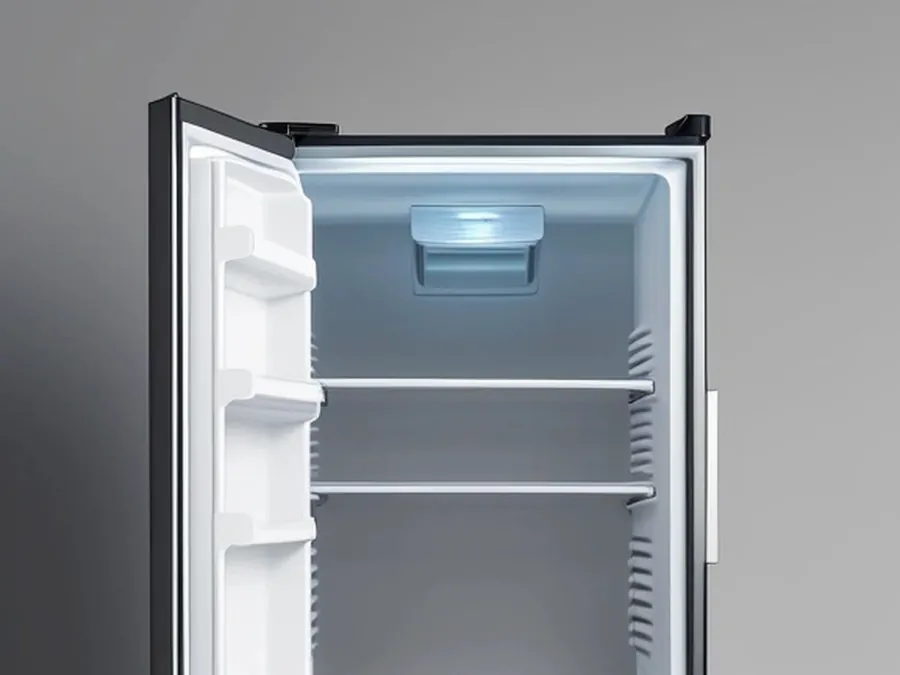
- Difficulty
- Moderate
- Time
- 1 to 2 hours plus settling time
- Tools
- Appliance dolly or furniture sliders, moving straps, blankets and stretch wrap, screwdriver, tape, towels for spills, a vacuum, a helper, gloves
- Call a pro if
- The fridge is a large side-by-side or built-in unit, the doorway is too narrow, or the route has stairs and no one experienced is available, since a dropped fridge is dangerous and expensive.
In this guide
A refrigerator is the heaviest single item most people move, and the one most likely to be damaged on the way. Doors get dented, floors get gouged, and the compressor can be ruined by laying the unit down and plugging it straight back in. With the right order of work it is a manageable job for two people. How to move a refrigerator safely starts the day before, emptying it and moving the food to a cooler or a second fridge.
1. Empty it and plan the day before
Move food to a cooler or a second fridge, and give yourself a day. A fridge that is emptied the morning of a move ends up with bags of food on the floor and no time to defrost.
Take out the shelves and drawers if they are removable, wrap them separately, and tape them inside the fridge or pack them in a box. Glass shelves crack easily in a moving truck.
2. Unplug and defrost
Unplug the fridge at least 24 hours before moving if you can, and leave the doors open so it defrosts. Put towels down for the meltwater, and empty the drip tray.
Moving a fridge with ice in the freezer means water everywhere and a wet, heavy unit. Defrosting is the step most people skip and most people regret.
3. Clean and dry it
Vacuum the coils at the back or underneath, wipe the interior, and dry it thoroughly. A dry fridge does not grow mold in storage, and clean coils run better in the new home.
4. Measure the route before you move anything
Measure the fridge, then measure the narrowest door, the hallway and any turn. Refrigerator doors often come off to gain a couple of inches, and that is a screwdriver job on most models.
Check the route for steps, thresholds and tight corners. If the fridge will not fit, you need to know before it is halfway down a hallway.
5. Protect the floor and the fridge
- Lay down cardboard, a moving blanket or hardboard along the route.
- Wrap the fridge in stretch wrap or blankets, taped securely, to protect the finish and keep the doors shut.
- Hold the doors shut with painter's tape or stretch wrap. Packing tape can leave residue on the finish.
6. Move it with a dolly or sliders
With an appliance dolly: tip the fridge back slightly, slide the dolly's plate under the front edge, strap the unit to the dolly at the top and bottom, and tip it back until the weight is on the wheels. Two people: one on the dolly, one guiding.
With furniture sliders: lift one side at a time and slide a slider under each corner, then push the unit across a hard floor. Sliders work well on tile and wood, less well on carpet.
On carpet: use a heavy-duty appliance dolly or a sheet of hardboard under the sliders.
Never drag a fridge across a floor without protection. The feet catch, and the weight will gouge wood or crack tile.
7. Keep it upright
Keep the fridge upright through doorways and on stairs. If you must lay it down, lay it on its back or side for the shortest possible time, and never on its front, which can damage the door and the hinges.
If it did travel on its side, stand it upright in the new home and leave it for at least 4 hours, ideally 24, before plugging it in. The compressor oil has to drain back.
8. Set it up in the new place
1. Position the fridge with a small gap at the back and sides for airflow.
2. Level it with the adjustable feet so the doors close on their own and the seals sit flat.
3. Leave it standing for several hours before plugging it in.
4. Plug it into its own outlet, not an extension cord or a power strip.
5. Let it run empty for a few hours before loading food, so it reaches temperature.
9. Check the doors and the seals
After it is in place, check that the doors close squarely and the seals grip a piece of paper all round. A fridge that has been moved often has a door that needs re-hanging. Our guide on a refrigerator door seal that is not sealing covers the seal side.
Common mistakes
- Moving a loaded fridge.
- Skipping the defrost and arriving with a wet, heavy unit.
- Tipping the fridge onto its front.
- Plugging it in straight after it has been on its side.
- Dragging it across a wood floor without sliders.
Related guides
- How to Install a Closet Organizer Without Wasting the Space
- How to Clean a Refrigerator Inside and Out Without Damaging It
- Refrigerator Leaking Water on the Floor: Causes and Fixes
- Refrigerator Water Dispenser Not Working: Causes and Fixes
FAQ
Can I lay a refrigerator down to move it?
Check the manual first, because many makers want it kept upright. If it did travel tilted, let it stand upright for several hours before plugging it in. Never lay it on its front.
How long should a fridge sit before turning it on after moving?
At least 4 hours upright, and 24 is safer if it traveled on its side or in cold weather.
Do fridge doors come off for moving?
On most models, yes, and it can gain several inches through a doorway. Keep the hinges and screws in a labeled bag.
How many people does it take to move a fridge?
Two, minimum, with a dolly. A large side-by-side or a built-in unit needs professional movers.
More from this topic
- How to Move a Mattress Safely: Learn how to move a mattress safely: bag it, carry it on edge, strap it to the vehicle and keep it flat once...
- How to Move a Washer and Dryer Safely: Learn how to move a washer and dryer safely: shut off and drain the water, lock the drum, protect the hoses...
- How to Load a Moving Truck Safely: Learn how to load a moving truck safely: put weight forward and low, stack to the ceiling and strap every...
- How to Move Heavy Furniture Without Damaging Floors: Move heavy furniture without damaging floors using sliders, dollies, blankets and cardboard paths, plus safe...
- How to Pack Fragile Items for a Move: Learn how to pack fragile items for a move: use the right box, wrap each piece, fill the empty space, label...
 First HomeHow to Move a Mattress SafelyLearn how to move a mattress safely: bag it, carry it on edge, strap it to the vehicle and keep it flat once it reaches the new home.
 First HomeHow to Move a Washer and Dryer SafelyLearn how to move a washer and dryer safely: shut off and drain the water, lock the drum, protect the hoses and lift with the right help.
 First HomeHow to Load a Moving Truck SafelyLearn how to load a moving truck safely: put weight forward and low, stack to the ceiling and strap every tall item before you close the door.
 First HomeHow to Move Heavy Furniture Without Damaging FloorsMove heavy furniture without damaging floors using sliders, dollies, blankets and cardboard paths, plus safe lifting technique to protect your back.
 First HomeHow to Pack Fragile Items for a MoveLearn how to pack fragile items for a move: use the right box, wrap each piece, fill the empty space, label the box and stack it so nothing presses on glass.