
How to Move a Washer and Dryer Safely
Part of: Appliances
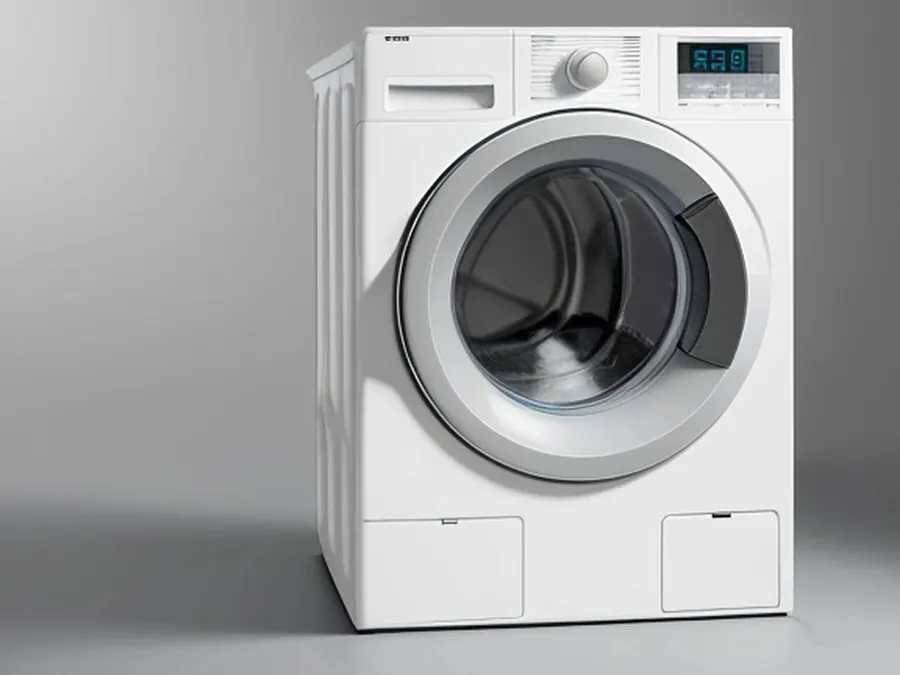
- Difficulty
- Moderate
- Time
- 2 to 3 hours
- Tools
- Adjustable wrench, buckets, towels, drain pan, appliance dolly, moving straps, shipping bolts or drum braces, tape, blankets, gloves
- Call a pro if
- The machines are on a second floor, the doorway is too narrow, or the washer is a front loader you cannot lock, since those need a mover with the right kit.
In this guide
- Power off first
- Water off first
- Wear protection
A washer and dryer are heavy, awkward and full of water you cannot see. Moved carelessly they leak, dent or arrive with a broken drum. How to move a washer and dryer safely starts with the route, measuring the machines, the doorways, the stairs and the turn at the bottom.
1. Plan the route
1. Measure the machines, the doorways and the stairs.
2. Check the turn at the bottom of any stairs.
3. Clear the path and remove doors if needed.
4. Decide who is helping and where the dolly goes.
2. Disconnect the power
1. Unplug the washer and dryer, or switch off the breaker for a hardwired dryer.
2. Pull the machines out far enough to reach the back.
3. Take a photo of the connections before removing anything.
4. Label each hose and where it went.
5. Keep the power cords coiled and taped to the machine.
3. Shut off and drain the water
1. Close the hot and cold valves behind the washer.
2. Put a shallow pan and towels under the hoses.
3. Unscrew the hoses and let them drain into a bucket.
4. Drain the washer pump using the small filter door at the front, if it has one.
5. Empty the dryer lint trap and vacuum the drum.
4. Secure the drum
1. Fit the shipping bolts that came with the washer, if you kept them.
2. If not, use a drum brace kit for your model.
3. On a top loader, tape the lid shut and pad the inside.
4. On a front loader, tape the door shut as well.
5. Never skip this step, since a loose drum breaks its springs in transit.
5. Protect the machines
1. Tape the hoses to the back of the washer.
2. Tape the power cord and the drain hose so nothing dangles.
3. Wrap blankets around the corners and control panel.
4. Stretch plastic wrap or a moving cover around the body.
5. Tape the dryer door shut and pad the front.
6. Lift correctly
1. Use an appliance dolly with a strap, not a hand truck.
2. Tilt the machine back onto the dolly with two people.
3. Strap it at two heights.
4. Keep the machine upright throughout.
5. Lift with your legs and keep the load close.
7. Load the truck
1. Put the machines at the front of the truck against the wall.
2. Stand them upright, never on their side or back.
3. Strap them so they cannot move.
4. Do not stack anything on top.
8. Reinstall in the new home
1. Check the floor is level before setting the machine down.
2. Remove the shipping bolts or drum brace.
3. Fit new hoses rather than reusing old ones if they are brittle.
4. Use plumber's tape on the threads and hand tighten, then a quarter turn.
5. Open the valves slowly and check for leaks before pushing the machine back.
9. Test and settle
1. Run a short cycle with no laundry and watch for leaks.
2. Check the drain hose is fixed high enough to prevent siphoning.
3. Level the machine with the feet and check it does not rock.
4. Run the dryer for ten minutes and check the vent.
Common mistakes
- Moving a washer with water still in the pump, which ruins the electronics.
- No shipping bolts, so the drum breaks loose.
- Laying a washer on its side, which strains the suspension.
- Reusing old rubber hoses that crack.
- Forgetting to level the machine, so it walks across the floor.
Related guides
- How to Move a Mattress Safely
- How to Clean a Dryer Drum and Remove Stains and Residue
- How to Replace a Dryer Belt Step by Step
- How to Prevent a Dryer Fire in Your Home
- How to Replace a Dryer Vent Hose Safely
- Washer Leaks From the Bottom: How to Find the Source
FAQ
Can I lay a washer on its side to move it?
Not if you can avoid it. Keep it upright. If it must be tilted, do it briefly and let it stand upright for a few hours before use.
Do I need the shipping bolts?
Yes for a front loader. Without them the drum can damage the machine in transit.
Can I reuse the old hoses?
Only if they are flexible and free of cracks. New hoses are cheap insurance against a flood.
How long before I can use the washer after moving?
Let it stand upright for a few hours, then check for leaks and run a short cycle.
More from this topic
- How to Move a Refrigerator Safely: Learn how to move a refrigerator safely: empty and defrost it, protect the floor, use a dolly, keep it...
- How to Move a Mattress Safely: Learn how to move a mattress safely: bag it, carry it on edge, strap it to the vehicle and keep it flat once...
- How to Declutter Before a Move: Learn how to declutter before a move: sort room by room, set keep and go piles, sell or donate and pack only...
- How to Label Moving Boxes So Unpacking Is Easy: Learn how to label moving boxes so unpacking is easy: number each box, name the room and contents, and mark...
- How to Load a Moving Truck Safely: Learn how to load a moving truck safely: put weight forward and low, stack to the ceiling and strap every...
 First HomeHow to Move a Refrigerator SafelyLearn how to move a refrigerator safely: empty and defrost it, protect the floor, use a dolly, keep it upright, and let it settle before you plug it in.
 First HomeHow to Move a Mattress SafelyLearn how to move a mattress safely: bag it, carry it on edge, strap it to the vehicle and keep it flat once it reaches the new home.
 First HomeHow to Declutter Before a MoveLearn how to declutter before a move: sort room by room, set keep and go piles, sell or donate and pack only what you will take.
 First HomeHow to Label Moving Boxes So Unpacking Is EasyLearn how to label moving boxes so unpacking is easy: number each box, name the room and contents, and mark priority boxes first.
 First HomeHow to Load a Moving Truck SafelyLearn how to load a moving truck safely: put weight forward and low, stack to the ceiling and strap every tall item before you close the door.