
How to Remove a Stuck Faucet Handle
Part of: Basic plumbing
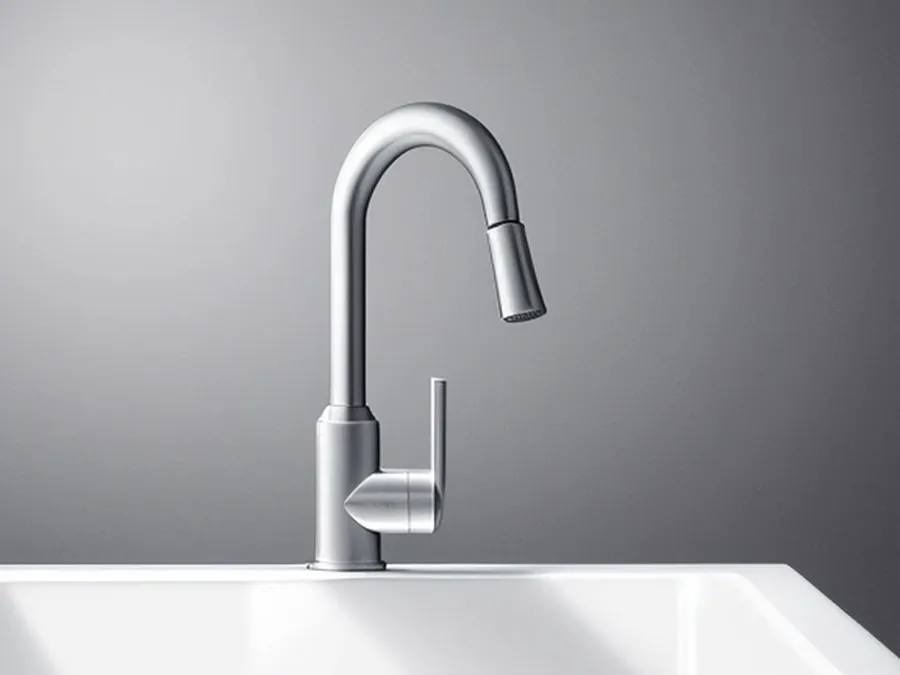
- Difficulty
- Easy
- Time
- 15 to 45 minutes
- Tools
- An Allen wrench set, penetrating oil, a hair dryer, a handle puller, white vinegar
- Call a pro if
- The handle is corroded to a brass stem that is twisting with it, since forcing that risks the valve body behind the wall.
In this guide
A cartridge swap, a leak repair, a finish refresh: half of faucet jobs start with the handle, and a corroded handle refuses to budge. How to remove a stuck faucet handle is a sequence of escalating persuasion, from penetrating oil to heat to a puller, each gentle enough to spare the valve underneath.
1. Find and free the set screw
The handle's actual lock.
1. Pry the decorative cap or check the handle's back and underside for the set screw.
2. Most are Allen; some are Phillips.
3. A corroded set screw gets a drop of penetrating oil and five minutes before the wrench.
4. A stripped set screw backs out with a screw extractor or a rubber band under the driver for grip.
2. Confirm the screw is fully out
The step everyone skips once.
1. A set screw backed out three turns is still holding; back it until it is free of the stem.
2. Some handles have two screws.
3. Shine a light into the hole; the stem should be visible.
4. A handle that will not move with the screw confirmed out is corrosion, not a hidden fastener.
3. Soak the joint
Chemistry before force.
1. Penetrating oil at the handle's base where it meets the stem.
2. Vinegar dissolves the mineral bond; soak a cloth and wrap the joint for thirty minutes.
3. Reapply and wait; the soak is doing the work force would.
4. Wipe the joint dry before the next step.
4. Add heat
The expansion trick.
1. Warm the handle's base with the hair dryer for a minute.
2. Metal expands; the handle grows fractionally larger than the stem it grips.
3. Work the handle gently while warm, rocking it side to side.
4. Never a flame on a faucet; finishes and plastic cartridges both die at flashlight temperatures.
5. Use the handle puller
The tool that ends the fight cleanly.
1. A handle puller threads into the set-screw hole and pushes the stem while pulling the handle.
2. Center it and tighten slowly; the handle pops free with a crack that sounds worse than it is.
3. No puller: two screwdrivers as even levers under opposite sides, padded, with gentle rocking.
4. Never pry against the sink or the faucet body.
6. Clean the stem and hub
So it never seizes again.
1. Wire-brush the mineral crust from the stem's splines.
2. Vinegar-wipe both mating surfaces.
3. A thin coat of silicone plumber's grease on the splines prevents the next bond.
4. Inspect the stem for twist damage before reassembly.
7. Reassemble and continue the repair
The reason you were here.
1. The cartridge or washer work now proceeds; how to replace a faucet cartridge is the usual next step.
2. Set the handle on, snug the set screw, cap it.
3. Open the supply valves slowly and test the full swing.
4. How to fix a faucet that drips covers the underlying drip if that was the mission.
Common mistakes
- Prying the handle against the sink rim and chipping the porcelain.
- Cranking a stuck handle until the stem twists.
- Skipping the soak and going straight to the puller.
- Losing the set screw down an unplugged drain.
- Heating with a flashlight and melting the cartridge below.
FAQ
How do you get a stuck faucet handle off?
Back the set screw fully out, soak the joint with penetrating oil or vinegar for thirty minutes, warm the base with a hair dryer, and pull with a handle puller through the set-screw hole. Rocking gently beats forcing every time.
Why is my faucet handle stuck?
Mineral deposits and corrosion bond the handle to the valve stem, especially in hard-water areas. The set screw can also look removed while still catching the stem.
What tool removes a stuck faucet handle?
A faucet handle puller, a small tool that threads into the set-screw hole and presses the stem while pulling the handle. It costs a few dollars and prevents the stem damage that prying causes.
Can I use WD-40 on a stuck faucet handle?
A penetrating oil at the joint helps, followed by a vinegar soak for the mineral side of the bond. Give the soak thirty minutes before adding any force.
Related guides
- How to Fix a Loose Faucet Handle: How to fix a loose faucet handle: find the set screw or retaining nut, tighten it and replace worn parts....
- How to Replace a Faucet Cartridge: Fix the Drip: How to replace a faucet cartridge: remove the handle, swap the cartridge and stop the drip in under an hour...
- How to Cap a Drain Line: Seal an Unused Drain: How to cap a drain line: seal an unused drain stub with the right cap or test plug so sewer gas and water...
- How to Cap a Water Supply Line: How to cap a water supply line for a removed sink, toilet or appliance: shutoff options, cap types and the...
- How to Fix a Whistling Faucet: How to fix a whistling faucet: track the whistle to the washer, cartridge or aerator and silence it in under...
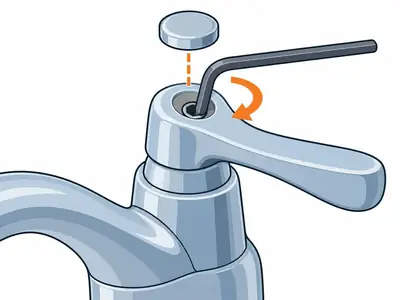 PlumbingHow to Fix a Loose Faucet HandleHow to fix a loose faucet handle: find the set screw or retaining nut, tighten it and replace worn parts. Easy steps, tools and when to call a plumber.
 PlumbingHow to Replace a Faucet Cartridge: Fix the DripHow to replace a faucet cartridge: remove the handle, swap the cartridge and stop the drip in under an hour with basic tools.
 PlumbingHow to Cap a Drain Line: Seal an Unused DrainHow to cap a drain line: seal an unused drain stub with the right cap or test plug so sewer gas and water stay put.
 PlumbingHow to Cap a Water Supply LineHow to cap a water supply line for a removed sink, toilet or appliance: shutoff options, cap types and the leak test that proves the seal.
 PlumbingHow to Fix a Whistling FaucetHow to fix a whistling faucet: track the whistle to the washer, cartridge or aerator and silence it in under an hour.