
How to Fix a Whistling Faucet
Part of: Basic plumbing
- Difficulty
- Easy
- Time
- 30 to 60 minutes
- Tools
- An adjustable wrench, a screwdriver, vinegar, a replacement washer or cartridge
- Call a pro if
- The whistle comes from inside the wall with the faucet off, since that points to the pipes or the pressure, not the fixture.
In this guide
- Water off first
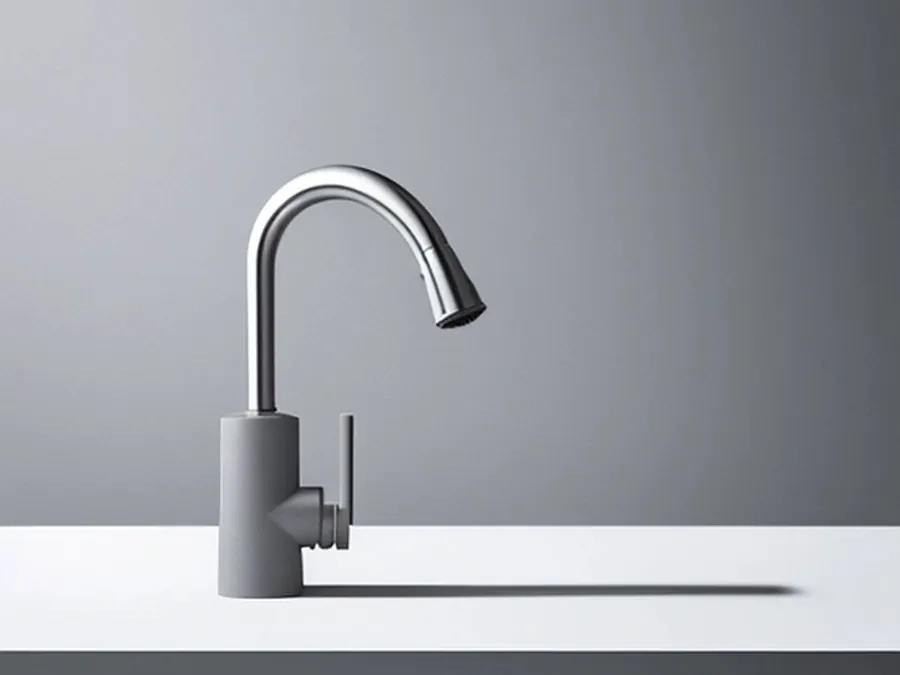
A faucet that whistles, squeals or sings is vibrating: water is forcing past a worn or loose part at exactly the resonant speed. How to fix a whistling faucet is matching the sound to the part, washer, cartridge or aerator, and swapping the small piece that is singing. This guide walks the isolation and the three fixes.
1. Understand the whistle
The physics in plain terms.
1. Water moving fast through a restricted or vibrating gap makes the sound.
2. Worn washers flutter; worn cartridges vibrate; clogged aerators restrict.
3. The pitch changes with the handle position because the gap changes.
4. It is an annoyance, not a danger, but the wear behind it grows.
2. Isolate the source
Which fixture, which position.
1. Note whether the whistle follows one faucet or all of them.
2. All faucets singing at once points to house pressure, not a fixture.
3. One faucet, one handle position: that faucet's internals.
4. Test with the aerator removed; a whistle that stops was the aerator.
3. Clean or replace the aerator
The five-minute branch.
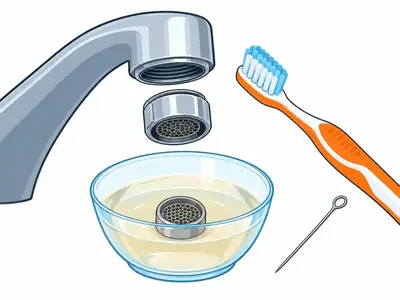
1. Unscrew the aerator and check for scale and grit.
2. Vinegar-soak it, brush it and rinse.
3. A damaged aerator replaces whole for a few dollars; how to replace a faucet aerator covers the swap.
4. Run the faucet aerator-free; silence confirms the diagnosis.
4. Replace the washer or stem
The compression-faucet branch.
1. Two-handle faucets whistle from worn seat washers.
2. Shut the water, pull the stem and inspect the washer at its base.
3. A hardened, grooved or loose washer is the singer; replace it.
4. A scored valve seat needs resurfacing or a new seat; that is the deeper version.
5. Replace the cartridge
The single-handle branch.
1. Single-handle whistles live in the cartridge.
2. How to replace a faucet cartridge walks the swap.
3. Flush the valve body before seating the new one; grit re-creates the whistle.
4. A whistle only at certain handle positions confirms the cartridge's worn lands.
6. Check the house pressure
The whole-house branch.
1. Whistling across multiple fixtures means the pressure is pushing water too fast.
2. How to check your water pressure gives the number.
3. Over eighty pounds, the pressure regulator is the fix.
4. A singing toilet fill valve joins this branch; it is a valve, not a mystery.
7. Keep the quiet
The habits.
1. Fix drips early; the same wear that drips also whistles.
2. Clean aerators twice a year in hard-water areas.
3. Keep house pressure in the fifty-to-sixty band.
4. How to fix a leaky faucet covers the drip side of the same wear.
Common mistakes
- Replacing the faucet when a washer was singing.
- Cranking the handle harder to stop the sound and wearing the parts faster.
- Ignoring a whole-house whistle that says the pressure is high.
- Cleaning the aerator but not the grit in the line behind it.
- Buying a generic cartridge and inheriting a new whistle.
FAQ
Why does my faucet whistle when I turn it on?
Water is vibrating past a worn part: a fluttering washer in two-handle faucets, a worn cartridge in single-handle ones, or a clogged aerator. Isolate which by removing the aerator first.
How do you stop a faucet from whistling?
Remove and clean the aerator first. If the whistle survives, replace the washer on two-handle faucets or the cartridge on single-handle ones. Whistling at every fixture points to high house pressure.
Is a whistling faucet a problem?
It is wear announcing itself, not an emergency. The washer or cartridge behind it is aging, and the fix is cheap now; left alone, the wear becomes the drip.
Can high water pressure make faucets whistle?
Yes. Pressure above eighty pounds forces water through gaps fast enough to sing, across multiple fixtures at once. A pressure regulator adjustment or replacement quiets the whole house.
Related guides
- Washing Machine Loud Noise: What to Check: Washer banging, grinding or squealing? Learn what each washing machine loud noise means, from unbalanced...
- Brown Water From the Faucet: What It Means: Brown water from the faucet usually means stirred-up sediment, old galvanized pipes or water heater rust....
- How to Fix a Leaky Hose Connection at the Spigot or Sprayer: Learn how to fix a leaky hose connection. Replace the rubber washer, tighten fittings and check threads on a...
- How to Fix a Loose Faucet Handle: How to fix a loose faucet handle: find the set screw or retaining nut, tighten it and replace worn parts....
- How to Fix Low Water Pressure in One Faucet: How to fix low water pressure in one faucet by cleaning the aerator, checking the valve and flushing the...
 PlumbingWashing Machine Loud Noise: What to CheckWasher banging, grinding or squealing? Learn what each washing machine loud noise means, from unbalanced loads to worn bearings, and what to check.
 PlumbingBrown Water From the Faucet: What It MeansBrown water from the faucet usually means stirred-up sediment, old galvanized pipes or water heater rust. Learn the checks that tell them apart.
 PlumbingHow to Fix a Leaky Hose Connection at the Spigot or SprayerLearn how to fix a leaky hose connection. Replace the rubber washer, tighten fittings and check threads on a garden hose, spigot and sprayer in a few minutes.
 PlumbingHow to Fix a Loose Faucet HandleHow to fix a loose faucet handle: find the set screw or retaining nut, tighten it and replace worn parts. Easy steps, tools and when to call a plumber.
 PlumbingHow to Fix Low Water Pressure in One FaucetHow to fix low water pressure in one faucet by cleaning the aerator, checking the valve and flushing the line. Easy steps, tools and when to call a plumber.