
Brown Water From the Faucet: What It Means
Part of: Basic plumbing
- Difficulty
- Easy
- Time
- 15 to 30 minutes of checks
- Tools
- A clear glass, a flashlight, your water utility's phone number
- Call a pro if
- The discoloration lasts more than a day, only the hot water runs brown, you have galvanized pipes, or anyone in the home is at health risk and you want the water tested.
In this guide
- Chemical safety
You turn on the faucet and see brown water from the faucet, tea-colored and not what you expect. The cause is usually more annoying than dangerous, and a few quick checks tell you which one you have and whether it is yours to fix.
1. Check whether it is hot, cold or both
This single test narrows the cause by half.
1. Fill a clear glass from the cold faucet and look at it against a white background.
2. Repeat with the hot faucet.
3. Brown on hot only points inside your water heater; brown on both points to the supply side or your pipes.
4. If cold runs clear and hot runs brown, skip ahead to the water heater section.
2. Check every faucet in the house
Location tells you the scale.
1. Run cold water at each faucet for a minute and compare.
2. Brown everywhere means the whole supply is affected: city work, a main break or house-wide pipe corrosion.
3. Brown at one faucet means the problem sits in that fixture's pipes or aerator; unscrew the aerator and check for rust flakes.
4. Note which floor or bathroom is worst for the plumber if it comes to that.
3. Rule out city work first
Most sudden brown water is not your house at all.
1. Hydrant flushing, water main repairs and firefighting stir up sediment in city lines.
2. Check your utility's website or social feed, or call and ask whether work is happening nearby.
3. Ask a neighbor whether their water looks the same.
4. If it is utility work, run a cold faucet, ideally an outdoor spigot or bathtub, until it clears, usually within a few hours.
4. Consider your pipe material
Older houses carry older pipes, and they rust from the inside.
1. Galvanized steel pipes, common before the 1960s, corrode internally and shed rust, especially after pressure changes.
2. If your home has galvanized lines and brown water keeps returning, the long-term fix is repiping, which is a licensed plumber's job.
3. Copper and PEX rarely cause discoloration themselves.
5. Check the water heater when hot runs brown
Hot-only discoloration almost always lives in the tank.
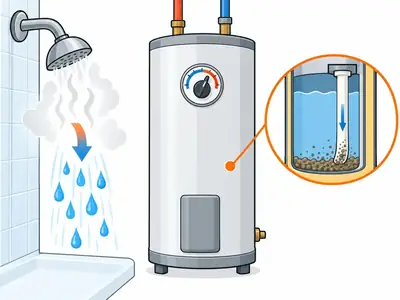
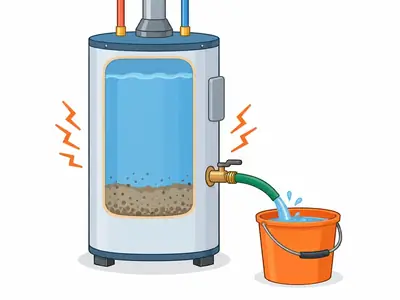
1. Sediment settles in the tank bottom and stirs up under demand, tinting the hot water.
2. Rusty hot water can also mean the anode rod is spent and the tank is starting to corrode; see how to replace an anode rod.
3. Rumbling or popping noises alongside brown water point to heavy sediment; water heater popping noises explains the mechanics.
4. An aging tank with rusty water and moisture at the base is near the end; start planning rather than flushing.
6. Flush the system the right way
1. Start with cold water at the lowest level of the house, full open, until it runs clear.
2. Work upward floor by floor, cold first, then hot.
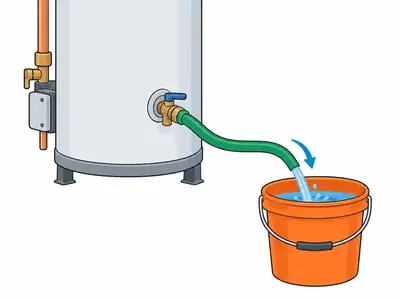
3. For the water heater, flush a few gallons from the drain valve with power or gas off and the tank full; if you have never done it, that is a reasonable first plumber visit.
4. If water does not clear after a day of normal use and flushing, stop and call.
7. Know when to test the water
1. If you are on a private well, discoloration after rain or pump work deserves a water test.
2. If anyone in the home is pregnant, an infant or immunocompromised, test before drinking, clear or not.
3. City customers can ask the utility for their latest water quality report.
4. Keep a sample in a clean jar with the date if you end up calling anyone; it helps.
Common mistakes
- Running the hot faucet to "clear" brown water that is coming from the city side.
- Ignoring hot-only brown water until the water heater fails completely.
- Scrubbing aerators but never checking the pipes feeding them.
- Drinking or cooking with discolored water because it "looks mostly fine."
- Flushing a water heater tank for the first time at full force and stirring up a blockage.
FAQ
Is brown water safe to drink?
It is usually sediment rather than something toxic, but you cannot tell by looking. Do not drink it until it runs clear, and test it if it persists or you are on a well.
Why is my water brown only in the morning?
Overnight, water sits still in the pipes and sediment or rust settles out, so the first draw is discolored. If a minute of running clears it, the cause is inside your plumbing; if not, look wider.
Why is only my hot water brown?
That points to the water heater: sediment in the tank or a spent anode rod letting the tank corrode. Flushing helps sediment; a corroding tank is a replacement conversation.
Will brown water clear on its own?
City-side causes usually clear within hours. Pipe corrosion and water heater problems do not; they return until the underlying cause is fixed.
Related guides
- Faucet Water Smells Like Rotten Eggs: What It Means: Water smells like rotten eggs? It usually comes from the water heater's anode rod or bacteria in the supply....
- Hot Water Runs Out Fast: Hot water runs out fast? Check the thermostat, sediment, dip tube and heating element. Learn simple tests and...
- How to Flush a Water Heater to Remove Sediment: Learn how to flush a water heater to clear sediment: turn off the power or gas, connect a hose, drain the...
- Pilot Light Keeps Going Out: What It Means: When a water heater pilot light keeps going out, the thermocouple, a draft or the gas control is usually...
- Water Heater Popping Noises: What Causes Them: Water heater popping noises usually mean sediment on the tank bottom. Learn the safe checks, how to flush the...
 PlumbingFaucet Water Smells Like Rotten Eggs: What It MeansWater smells like rotten eggs? It usually comes from the water heater's anode rod or bacteria in the supply. A two-glass test tells which.
 PlumbingHot Water Runs Out FastHot water runs out fast? Check the thermostat, sediment, dip tube and heating element. Learn simple tests and when to call a pro for a tank water heater.
 PlumbingHow to Flush a Water Heater to Remove SedimentLearn how to flush a water heater to clear sediment: turn off the power or gas, connect a hose, drain the tank and restart it safely.PlumbingPilot Light Keeps Going Out: What It MeansWhen a water heater pilot light keeps going out, the thermocouple, a draft or the gas control is usually responsible. Diagnose it in this order.
 PlumbingWater Heater Popping Noises: What Causes ThemWater heater popping noises usually mean sediment on the tank bottom. Learn the safe checks, how to flush the tank and when to call a pro.