
How to Cap a Drain Line: Seal an Unused Drain
Part of: Basic plumbing

- Difficulty
- Easy
- Time
- 30 minutes
- Tools
- A cap or test plug sized to the pipe, a screwdriver or wrench, rubber gloves
- Call a pro if
- The drain is still connected to fixtures upstream or the cap will sit behind a finished wall, since a buried cap needs to be right forever.
In this guide
- Wear protection
A removed sink, an abandoned laundry stub, a floor drain decommissioned during a remodel: unused drain lines need sealing, and the seal has two jobs. It keeps water out of places water should never go, and it keeps sewer gas in the pipe where it belongs. How to cap a drain line is a thirty-minute job once the cap matches the pipe. This guide covers the options and the checks.
1. Confirm the line is dead
The check before the cap.
1. Trace the pipe: no fixtures upstream should drain into it.
2. Run water in nearby fixtures and watch the stub; any movement means the line is live.
3. A live line needs the cap moved upstream past the last fixture, or a different plan.
4. Drain lines also vent; capping a pipe that vents a fixture creates slow drains and gurgles.
2. Choose the cap type
The options by pipe and permanence.
1. Rubber test plugs: a wing-nut expands a gasket inside the pipe; fast, removable, ideal for temporary or accessible seals.
2. Solvent caps: a glued cap on a cut pipe end; permanent and the cleanest buried seal.
3. Threaded caps: for pipe stubs with threads already in place.
4. Push-fit caps: tool-free and removable, for the pipe types they are listed for.
3. Size the cap to the pipe
Measure before the store run.
1. Measure the pipe's outside diameter for inside-fitting plugs, or the nominal size for caps.
2. Drain pipes run larger than supply lines; most stubs are inch-and-a-half to four inches.
3. Bring the measurement or a photo; a cap that almost fits never seals.
4. Match material where gluing: PVC cement on PVC, ABS cement on ABS.
4. Clean the pipe
The seal is only as good as the surface.
1. Scrape the pipe end clean of rust, scale and old caulk.
2. For glued caps, the surface must be clean and dry for the solvent to weld.
3. For rubber plugs, a smooth bore seats the gasket.
4. Gloves stay on; drain pipes are never clean inside.
5. Fit the cap
The seal itself.
1. Test plug: insert, tighten the wing nut until the gasket grips; hand-tight plus a firm turn.
2. Solvent cap: prime, cement both surfaces, push on with a quarter twist and hold thirty seconds.
3. Threaded: plumber's tape on the threads, snug with the wrench.
4. Seat every cap fully; a half-seated cap is a slow leak.
6. Test the seal
The proof before the wall closes.
1. Pour a gallon of water into the line upstream if accessible, or run the nearest fixtures.
2. Watch the cap for weeping.
3. Smell-test after a day; sewer gas at the cap means the gasket is not seated.
4. A buried cap earns a second check a week later before the finish goes on.
7. Handle the vent question
The part DIY guides skip.
1. Every fixture needs its trap protected by a vent; capping a vented drain can break that.
2. If a fixture's drain slows or gurgles after your cap, the capped line was its vent.
3. An air admittance valve can replace a capped vent where code allows.
4. When the layout is unclear, how to unclog a floor drain thinking applies: trace before you seal, and the pro call is cheap insurance on vent questions.
Common mistakes
- Capping a line that still carries a fixture's drainage.
- Capping what was actually a vent and wondering why the sink gurgles.
- Gluing a cap onto a wet, dirty pipe end.
- Sizing by eye and forcing an almost-right plug.
- Burying a test plug behind drywall; buried seals should be permanent and glued.
FAQ
How do you cap off an unused drain pipe?
For an accessible stub, a rubber test plug sized to the pipe expands inside it and seals in seconds. For a permanent or buried seal, a solvent-glued cap on the cleaned pipe end is the standard.
Will capping a drain stop sewer smell?
Yes, a properly sealed cap blocks sewer gas. A smell that persists means the cap is not seated, or the smell comes from a dry trap elsewhere; how to fix a smelly floor drain covers the other sources.
Can you cap a drain with a test plug permanently?
Test plugs are rated for temporary use and accessible spots. For a cap that will sit behind a wall or under a slab, use a glued cap; a buried rubber plug that fails is a wall-opening repair.
Do I need to vent a capped drain?
The capped stub itself needs no vent, but capping a pipe that served as another fixture's vent breaks that fixture's venting. Trace the line first, and add an air admittance valve where code allows if the gurgling starts.
Related guides
- How to Cap a Water Supply Line: How to cap a water supply line for a removed sink, toilet or appliance: shutoff options, cap types and the...
- How to Use Plumber's Tape: The Right Wrap Every Time: How to use plumber's tape: wrap direction, number of wraps, and which connections need it, so threaded joints...
- Sump Pump Discharge Pipe Frozen: How to Fix It: Sump pump discharge pipe frozen in winter? Learn how to thaw it safely, keep water moving and prevent ice...
- Sweating Pipes: How to Stop Water Drips: Sweating pipes drip water and can stain ceilings. Learn how to tell condensation from a leak, insulate cold...
- How to Install a Drain Cleanout Access: How to install a drain cleanout: cut in a wye with a plug on the drain line so the next clog clears in...
 PlumbingHow to Cap a Water Supply LineHow to cap a water supply line for a removed sink, toilet or appliance: shutoff options, cap types and the leak test that proves the seal.
 PlumbingHow to Use Plumber's Tape: The Right Wrap Every TimeHow to use plumber's tape: wrap direction, number of wraps, and which connections need it, so threaded joints seal the first time.
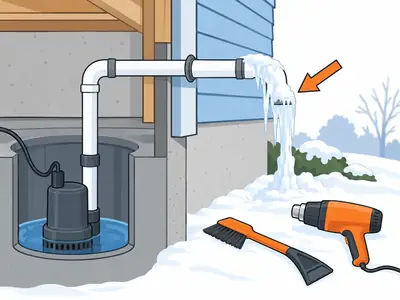 PlumbingSump Pump Discharge Pipe Frozen: How to Fix ItSump pump discharge pipe frozen in winter? Learn how to thaw it safely, keep water moving and prevent ice blocks that flood basements.
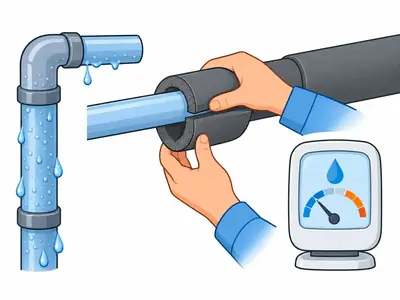 PlumbingSweating Pipes: How to Stop Water DripsSweating pipes drip water and can stain ceilings. Learn how to tell condensation from a leak, insulate cold lines and control humidity. Steps and tools.
 DrainsHow to Install a Drain Cleanout AccessHow to install a drain cleanout: cut in a wye with a plug on the drain line so the next clog clears in minutes, not walls.