
How to Unclog a Floor Drain: Basement and Garage
Part of: Tools and everyday fixes
- Difficulty
- Moderate
- Time
- 1 to 2 hours
- Tools
- A bucket, a screwdriver, a drain auger, rubber gloves, a wet-dry vacuum
- Call a pro if
- The drain backs up with sewage or multiple fixtures back up with it, since that is a main-line problem past DIY reach.
In this guide
- Wear protection
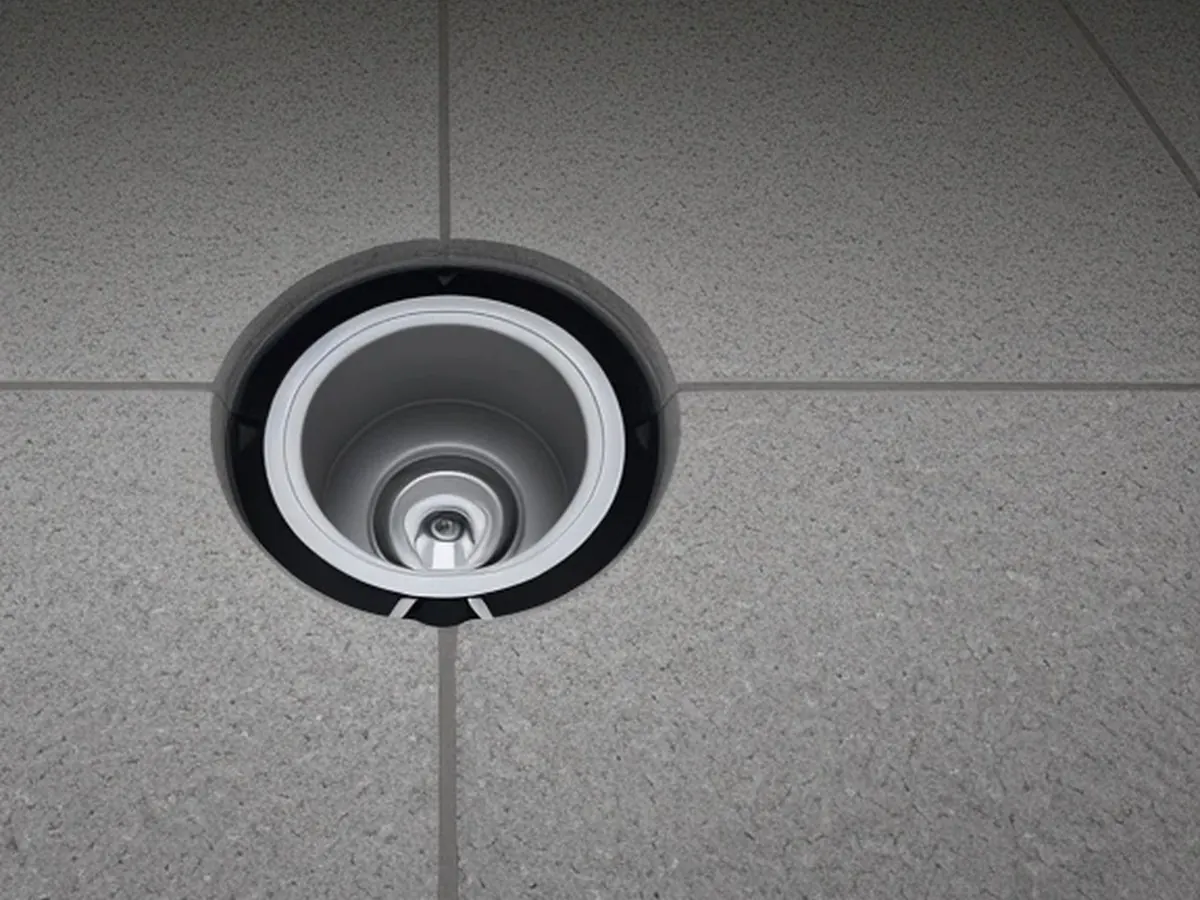
A floor drain is the basement's insurance policy, and it only gets attention the day it fails. How to unclog a floor drain is a trap cleaning and an auger run, the same logic as any drain but with a dirtier first act. This guide walks the clearing, the backup diagnosis and the maintenance that keeps the insurance valid.
1. Identify the clog's location
The symptoms map the blockage.
1. Water standing in the drain itself: the trap or the first feet of line.
2. The drain overflowing when the washer or a nearby fixture runs: the clog is past the drain, in the shared line.
3. Sewage in the backup: main line, pro call.
4. A dry, slow drain that has been lazy for months: the trap is choked with sediment.
2. Clear the grate and the bucket
The first layer.
1. Remove the grate; most lift or unscrew.
2. Scoop the debris into the bucket; floor drains collect lint, dirt and everything the mop pushed.
3. Many floor drains have a sediment bucket under the grate; pull and empty it.
4. A wet-dry vacuum pulls the standing water and the loose sludge in one pass.
3. Clean the trap
The U that holds the water seal.
1. Shine a light down; the trap sits just below.
2. Scoop or vacuum the trap's sediment.
3. A trap packed with dirt passes water slowly and clogs again within weeks if half-cleaned.
4. Flush with a bucket of water and watch the drain rate.
4. Auger the line
The reach past the trap.
1. Feed the auger into the drain past the trap.
2. Crank through resistance; the cable corkscrews into the clog.
3. Pull the debris back rather than pushing it deeper.
4. How to use a drain auger covers the full technique.
5. Flush and test
The watched drain.
1. Run a hose or buckets of water down the drain for several minutes.
2. The drain should swallow the flow without rising.
3. A drain that backs up under a steady stream still has a blockage downstream.
4. Check nearby fixtures during the test; gurgling means the line past the drain needs the pro.
6. Refill the trap
The step that ends the smell.
1. A floor drain's trap blocks sewer gas only while it holds water.
2. Pour a gallon of water down the drain after any work.
3. Rarely used drains evaporate dry; a monthly gallon keeps the seal.
4. A drain that still smells with a full trap has a vent or crack issue; how to fix a smelly floor drain covers that branch.
7. Keep the drain working
The maintenance that matters.
1. Test the drain quarterly with a bucket of water; it should drain fast.
2. Keep the grate clear of storage; a drain under boxes helps nobody.
3. Refill the trap monthly in dry seasons.
4. How to clean a basement floor drain covers the annual deep clean.
Common mistakes
- Augering past a sewage backup and pushing a main-line clog deeper.
- Cleaning the grate but leaving the packed trap.
- Forgetting to refill the trap and inviting sewer gas.
- Pouring chemical cleaner into a floor drain connected to a sump or storm line.
- Declaring victory on a slow drain; it clogs fully within the month.
FAQ
How do you unclog a basement floor drain?
Remove the grate, scoop or vacuum the debris and sediment bucket, clean the trap, then auger the line past the trap. Flush with several buckets of water and refill the trap with a gallon to restore the gas seal.
Why is my floor drain backing up?
A clog in the trap or the drain line, or a blockage in the main line it shares. Backup that arrives when other fixtures run, or any sewage content, points to the main line and a pro.
How do you clean out a floor drain trap?
Pull the grate and the sediment bucket if present, scoop the trap's contents with a cup or vacuum them out, then flush. A packed trap is the most common floor drain clog.
Can you pour drain cleaner down a floor drain?
Avoid it. Chemical cleaners sit in the trap rather than reaching the clog, corrode the line and create a hazard for the next person to open the drain. Mechanical clearing works and harms nothing.
Related guides
- How to Fix a Basement Floor Drain Backup: How to fix a basement floor drain backup: tell a local clog from a main-line blockage, clear what you can and...
- How to Unclog a Kitchen Sink: Clear It in Minutes: How to unclog a kitchen sink with boiling water, a plunger and a P-trap cleanout. Fix a slow or blocked drain...
- How to Unclog a Toilet Without a Plunger: How to unclog a toilet without a plunger using hot water, dish soap, a toilet brush, a wire hanger...
- How to Use a Drain Auger: Clear Clogs a Plunger Can't: How to use a drain auger: feed, crank and retrieve the cable through sinks, tubs and toilets without...
- How to Fix a Gurgling Drain: Find the Air Problem: How to fix a gurgling drain: trace the gurgle to a clog or a vent problem and clear the one you...
 DrainsHow to Fix a Basement Floor Drain BackupHow to fix a basement floor drain backup: tell a local clog from a main-line blockage, clear what you can and know the pro line.
 PlumbingHow to Unclog a Kitchen Sink: Clear It in MinutesHow to unclog a kitchen sink with boiling water, a plunger and a P-trap cleanout. Fix a slow or blocked drain without chemicals.
 PlumbingHow to Unclog a Toilet Without a PlungerHow to unclog a toilet without a plunger using hot water, dish soap, a toilet brush, a wire hanger alternative or an auger, and when to stop.
 PlumbingHow to Use a Drain Auger: Clear Clogs a Plunger Can'tHow to use a drain auger: feed, crank and retrieve the cable through sinks, tubs and toilets without scratching fixtures or pushing clogs deeper.
 DrainsHow to Fix a Gurgling Drain: Find the Air ProblemHow to fix a gurgling drain: trace the gurgle to a clog or a vent problem and clear the one you have.