
How to Clean a Basement Floor Drain
Part of: Basic plumbing
- Difficulty
- Easy to moderate
- Time
- 20 to 45 minutes
- Tools
- Screwdriver or pliers, rubber gloves, bucket, stiff brush, wet dry vacuum, flashlight, drain snake, mild cleaner, water
- Call a pro if
- Sewage backs up, water rises fast, you smell strong sewer gas that does not clear, or the drain is connected to a sump or main line that you cannot clear.
In this guide
- Gas safety
- Wear protection
- Chemical safety
A basement floor drain is there for emergencies. It sits quietly until it starts to smell, clog, or back up. Most of the time the cause is dry trap or built up debris. Here is how to clean a basement floor drain and keep it working when you need it.
What the drain does
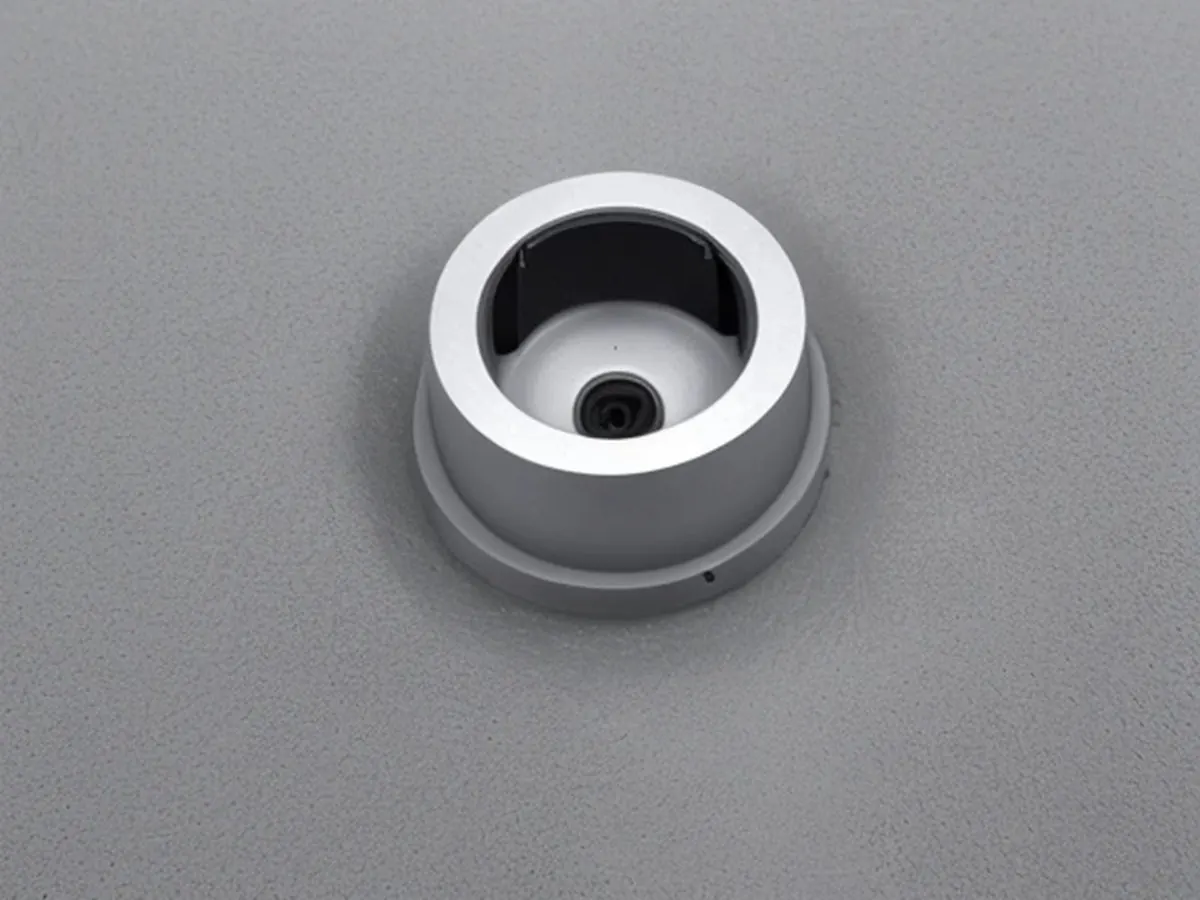
The drain carries water from the floor to the sewer or a sump. It has a trap, a curved section that holds water and blocks sewer gas. If the trap dries out, gas can rise into the basement and smell bad. If debris collects, water drains slowly or backs up.
Step 1: Look at the drain
Shine a flashlight into the drain. Check the grate and the water level. If you see water standing near the top, it is clogged. If you see no water, the trap may be dry.
Step 2: Remove the grate
1. Wear gloves.
2. Unscrew the grate or lift it with pliers or a screwdriver.
3. Set it aside and clean it with a brush and soapy water.
Step 3: Remove debris
Pull out hair, lint, dirt, and small stones by hand or with a wet dry vacuum. Use a stiff brush to loosen buildup on the sides. Do not push debris down the drain.
Step 4: Flush the drain
Pour a bucket of warm water into the drain. Watch how fast it drains. If it flows freely, run a second bucket with a little mild dish soap. If the water backs up, use a drain snake. Feed it in gently and turn it to break up a clog. See how to unclog a drain and plunger vs toilet auger vs drain snake.
Step 5: Refill the trap
If the drain was dry, pour a gallon or two of water into it to fill the trap. Add a tablespoon of mineral oil or a drain trap seal product to slow evaporation. Do this every few weeks if the drain is rarely used.
Step 6: Replace the grate
Screw the grate back in place. Check that it sits flat.
Smell checks
If the smell continues, check for a dry trap, a cracked pipe, or a missing seal. A musty smell may come from mold or standing water. See how to get rid of a musty basement smell and sink drain smells like sewage. Sewer gas contains harmful gases, so do not ignore a strong smell.
Prevent backups
- Keep the drain clear of items and clutter.
- Do not wash anything greasy or sandy down it.
- Clean gutters and extend downspouts so less water reaches the basement. See how to prepare a basement for heavy rain.
- Test the drain every few months.
When water comes up
If water rises from the drain during a storm or when you run laundry, the sewer line may be clogged or overloaded. Stop using water in the house and call a plumber. Check any backwater valve if you have one.
FAQ
Why does my basement drain smell?
The trap may be dry. Pour water in to refill it.
Can I pour bleach down it?
Avoid it. Use mild soap and water. Never mix cleaners.
How often should I clean it?
Every few months, and after any backup.
Is a floor drain required?
Many homes have one for safety. Keep it working.
Related guides
- How to Fix a Smelly Floor Drain: Learn how to fix a smelly floor drain: find whether the trap is dry, clean the drain and trap, restore the...
- Sink Drain Smells Like Sewage: Causes and What to Do: Sink drain smells like sewage? Check the P-trap, clean the drain, test the vent and find out when the smell...
- How to Fix a Basement Floor Drain Backup: How to fix a basement floor drain backup: tell a local clog from a main-line blockage, clear what you can and...
- How to Fix a Sewer Smell in the Bathroom: How to fix a sewer smell in the bathroom: find whether a dry trap, wax ring or vent is the source and seal it...
- Clean Sump Pump Pit and Check the Float: Simple Steps: Need to clean sump pump pit silt and debris? Learn the safe steps, test the float switch and keep your...
 PlumbingHow to Fix a Smelly Floor DrainLearn how to fix a smelly floor drain: find whether the trap is dry, clean the drain and trap, restore the water seal and stop the sewer smell returning.
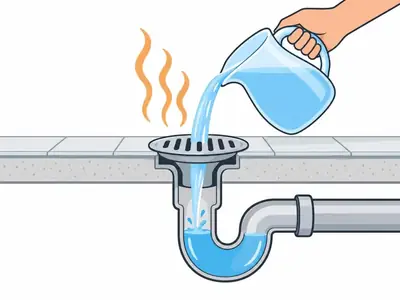 PlumbingSink Drain Smells Like Sewage: Causes and What to DoSink drain smells like sewage? Check the P-trap, clean the drain, test the vent and find out when the smell is a sign to call a plumber.
 DrainsHow to Fix a Basement Floor Drain BackupHow to fix a basement floor drain backup: tell a local clog from a main-line blockage, clear what you can and know the pro line.
 Drains and SewersHow to Fix a Sewer Smell in the BathroomHow to fix a sewer smell in the bathroom: find whether a dry trap, wax ring or vent is the source and seal it for good.
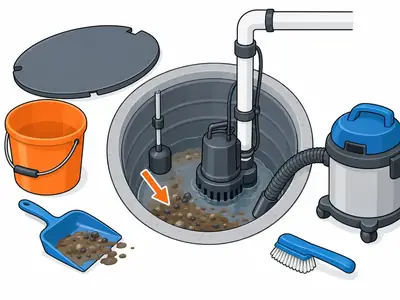 PlumbingClean Sump Pump Pit and Check the Float: Simple StepsNeed to clean sump pump pit silt and debris? Learn the safe steps, test the float switch and keep your basement dry when heavy rain arrives.