
How to Remove a Stuck Pot From a Glass Top Stove
Part of: Appliances
- Difficulty
- Easy
- Time
- 30 to 60 minutes
- Tools
- Plastic scraper, razor scraper, warm water, dish soap, soft cloth, oven mitts, vinegar
- Call a pro if
- The glass is cracked or chipped, since a cracked cooktop can shatter when it heats again.
In this guide
- Turn the heat off
- Do not twist or pry the pot
- Work out what fused it
- Cool it completely first
- Soften the bond with warm water
- Try a gentle lift
- Break up carbon with a plastic scraper
- Use a razor scraper on cold glass
- Handle melted plastic differently
- Clean the ring afterwards
- Check the surface before you cook again
- Stop it happening again
- Common mistakes
- Related guides
- FAQ
- When to call a pro
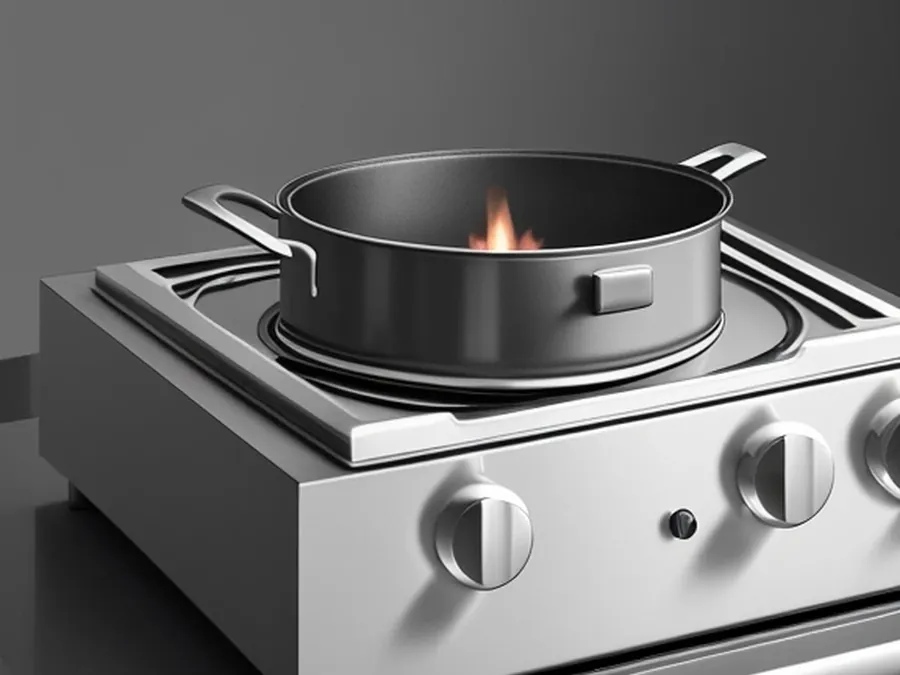
A pot fuses to a glass top when something boils over and burns dry underneath it, or when a plastic utensil or a wrapper melts against the ring. The bond feels permanent, but it is usually a thin layer of carbon or hardened sugar. Pulling hard is how people crack a cooktop. How to remove a stuck pot from a glass top stove starts with turning the heat off and leaving the pot alone, because lifting it hot drags melted material across the glass.
1. Turn the heat off
1. Switch the burner off at the control.
2. Do not lift the pot to check.
3. Lifting it while it is hot can drag melted material across the glass.
4. Step back and let the surface cool.
5. A pot that boiled dry needs at least an hour.
2. Do not twist or pry the pot
1. Twisting shears the glass at the edge of the ring.
2. Prying with a knife chips the surface.
3. A chipped cooktop can shatter the next time it heats.
4. Wait for the pot to come free with softening, not force.
5. Patience here saves you the cost of a new cooktop.
3. Work out what fused it
1. Look at the ring around the pot base.
2. Black crust means burnt food or carbon.
3. A shiny amber patch means melted sugar or plastic.
4. A white film means boiled-over starch.
5. Each one softens a different way.
4. Cool it completely first
1. Let the pot and the glass reach room temperature.
2. Do not pour cold water on hot glass.
3. A sudden temperature change can crack it.
4. Give it a full hour if the pot boiled dry.
5. Test with the back of your hand above the surface.
5. Soften the bond with warm water
1. Soak a cloth in warm water and dish soap.
2. Lay it around the base of the pot.
3. Leave it for 15 to 20 minutes.
4. Starch and sugar dissolve and release.
5. Top up the cloth if it dries out.
6. Try a gentle lift
1. Grip the handle with both hands.
2. Lift straight up, with no twist.
3. If it resists, set it back down.
4. Soften again rather than pulling harder.
5. A pot that lifts a little is nearly free.
7. Break up carbon with a plastic scraper
1. Slide a plastic scraper under the rim of the crust.
2. Work around the base in small strokes.
3. Keep the blade flat to the glass.
4. Never use a metal tool for this step.
5. Wipe the loosened crust away as you go.
8. Use a razor scraper on cold glass
1. Only do this when the surface is cold.
2. Hold the blade at a low angle, almost flat.
3. Push away from your body.
4. Lift the crust in one direction.
9. Handle melted plastic differently
1. Plastic bonds harder than food.
2. Let it cool completely, then chill it with an ice cube in a bag.
3. Chilled plastic turns brittle and snaps off.
4. Scrape the rest with a plastic scraper.
5. Avoid solvents on a glass top.
10. Clean the ring afterwards
1. Wipe the ring with a cloth and dish soap.
2. Rinse with a clean damp cloth.
3. Dry it fully.
4. A greasy ring burns on next time.
5. Vinegar lifts a cloudy film.
11. Check the surface before you cook again
1. Run a fingertip over the ring, feeling for chips.
2. Look at the glass at a low angle in good light.
3. Any crack or chip means no more cooking on it.
4. A hairline crack spreads with heat.
5. A cracked cooktop gets replaced, not repaired.
12. Stop it happening again
1. Wipe spills as soon as the surface cools.
2. Use pots with flat, dry bases.
3. Keep plastic wrap and utensils away from hot rings.
4. Never leave a pot boiling dry.
5. A simmer ring helps on a small burner.
Common mistakes
- Pulling the pot while the glass is hot.
- Pouring cold water on a hot cooktop.
- Prying with a knife or screwdriver.
- Using a metal scraper on a curved edge.
- Cooking again on a chipped surface.
Related guides
- How to Keep a Trash Can From Smelling
- How to Replace a Stove Knob
- How to Replace a Gas Stove Igniter
- How to Install a Pot Filler Faucet
- Electric Stove Burner Not Heating: How to Fix It
- How to Clean a Gas Stove Burner That Will Not Light Well
FAQ
Can I use a razor blade on a glass top stove?
Yes, on a cold surface, held almost flat. Never on hot glass.
What if the pot will not budge after soaking?
Soak longer and try again. Force is what cracks the cooktop.
Will vinegar damage the glass?
No. Wipe it off afterwards and the surface is fine.
How long does a stuck pot take to free?
Usually 30 to 60 minutes of soaking and scraping.
More from this topic
- How to Clean a Glass Cooktop Without Scratching It: Learn how to clean a glass cooktop: let it cool, lift off burnt on food with a razor scraper, polish with a...
- How to Remove a Burn Mark From a Countertop: Learn how to remove a burn mark from a countertop by material: laminate, solid surface, butcher block and...
- How to Replace Dishwasher Rack Wheels: Learn how to replace dishwasher rack wheels. Remove the rack, pop off the broken wheels, snap in new ones and...
- How to Seal a Granite Countertop and Know When It Needs It: Learn how to seal a granite countertop: test whether it needs sealing, clean and dry it, apply a penetrating...
- How to Clean a Cutting Board: Learn how to clean a cutting board properly: wash wood and plastic differently, disinfect after raw meat, and...
 KitchenHow to Clean a Glass Cooktop Without Scratching ItLearn how to clean a glass cooktop: let it cool, lift off burnt on food with a razor scraper, polish with a cooktop cleaner and prevent scratches and streaks.
 KitchenHow to Remove a Burn Mark From a CountertopLearn how to remove a burn mark from a countertop by material: laminate, solid surface, butcher block and quartz each need a different method.
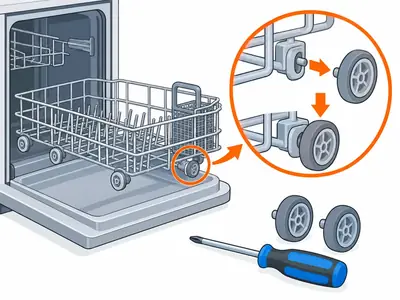 KitchenHow to Replace Dishwasher Rack WheelsLearn how to replace dishwasher rack wheels. Remove the rack, pop off the broken wheels, snap in new ones and make the rack roll smoothly again.
 KitchenHow to Seal a Granite Countertop and Know When It Needs ItLearn how to seal a granite countertop: test whether it needs sealing, clean and dry it, apply a penetrating sealer evenly and cure it before use.
 KitchenHow to Clean a Cutting BoardLearn how to clean a cutting board properly: wash wood and plastic differently, disinfect after raw meat, and oil wood so it does not crack.