
How to Clean a Trash Can and Get Rid of the Smell for Good
Part of: Tools and everyday fixes
- Difficulty
- Easy
- Time
- 20 to 40 minutes
- Tools
- Hose or bucket, dish soap, stiff brush, long handled brush for tall bins, disinfectant or diluted bleach as the label allows, rubber gloves, old towels, baking soda, sunny spot
- Call a pro if
- Pests have nested in the bin, the plastic is cracked and leaking, or a spill has soaked into the floor or carpet nearby.
In this guide
- Wear protection
- Chemical safety
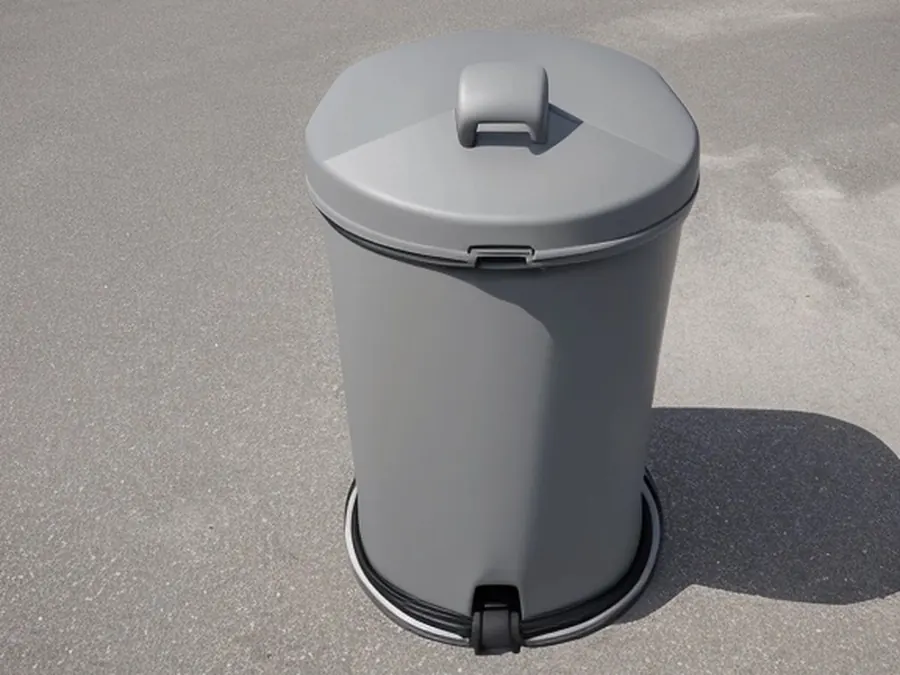
A trash can gets dirty fast. Liquids leak, food sticks, and bacteria thrive in the damp. Even with bags, you will notice a smell over time. If you want to clean a trash can properly, you need soap, scrubbing, and drying. Here is a method that works for kitchen cans and outdoor bins.
How often to clean
Wash kitchen cans once a month, or right away after a leak. Outdoor bins need a wash every few months, and more often in summer or if they hold food waste. Use a clean bag every time.
Supplies
You need basic items: dish soap, a brush, hot water, and a disinfectant that suits your bin. Bleach in a diluted form is common, but check the label of the product and your bin. Never mix cleaners.
Step by step for an outdoor bin
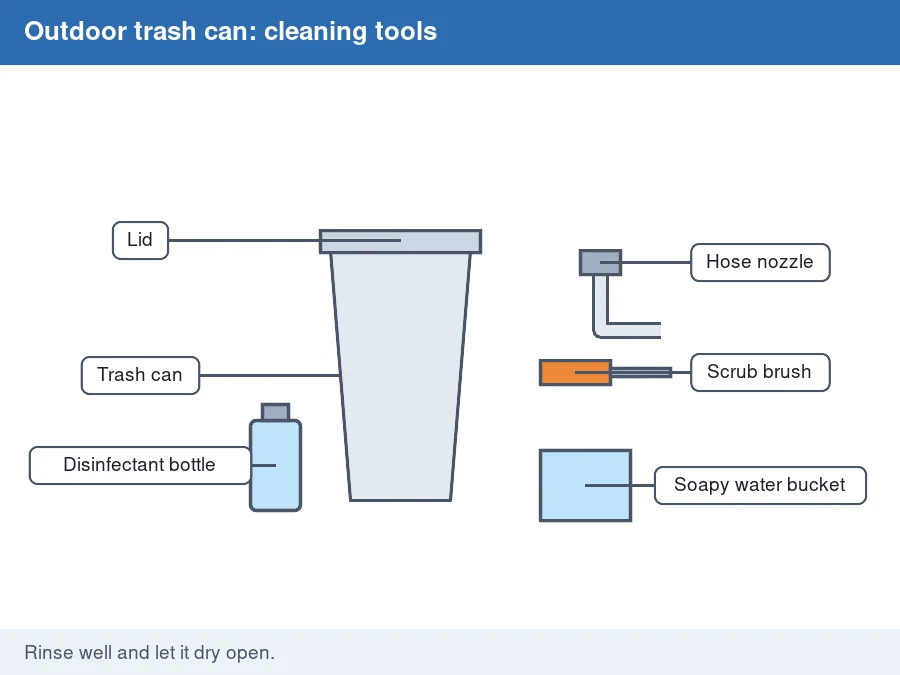
1. Empty the bin. Take out all trash and bags. Knock out loose dirt.
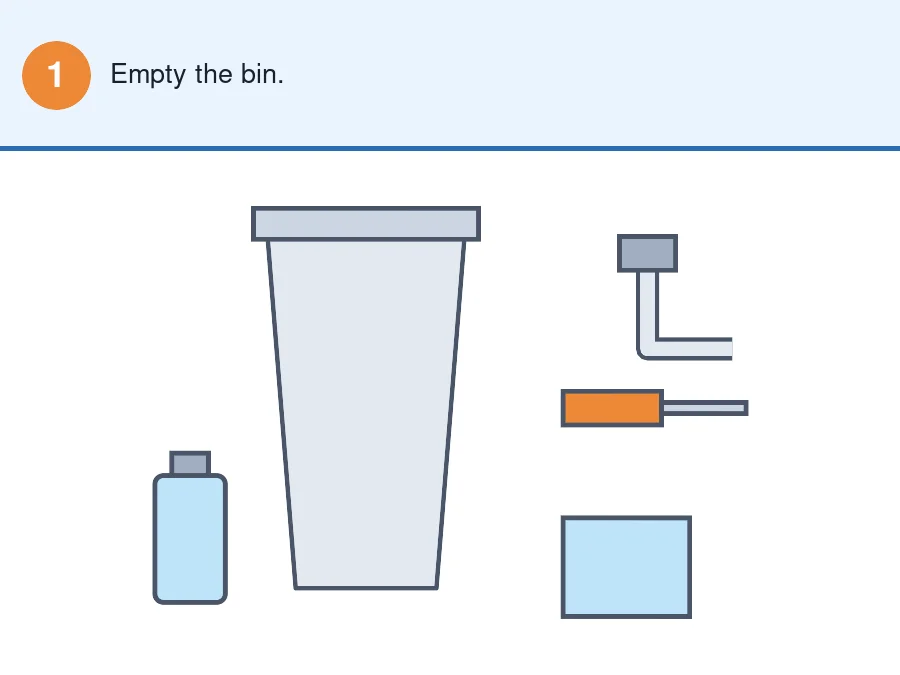
2. Rinse it with a hose. Spray the inside and outside to remove the worst dirt. Do this on a driveway, lawn, or gravel area, not near a storm drain.
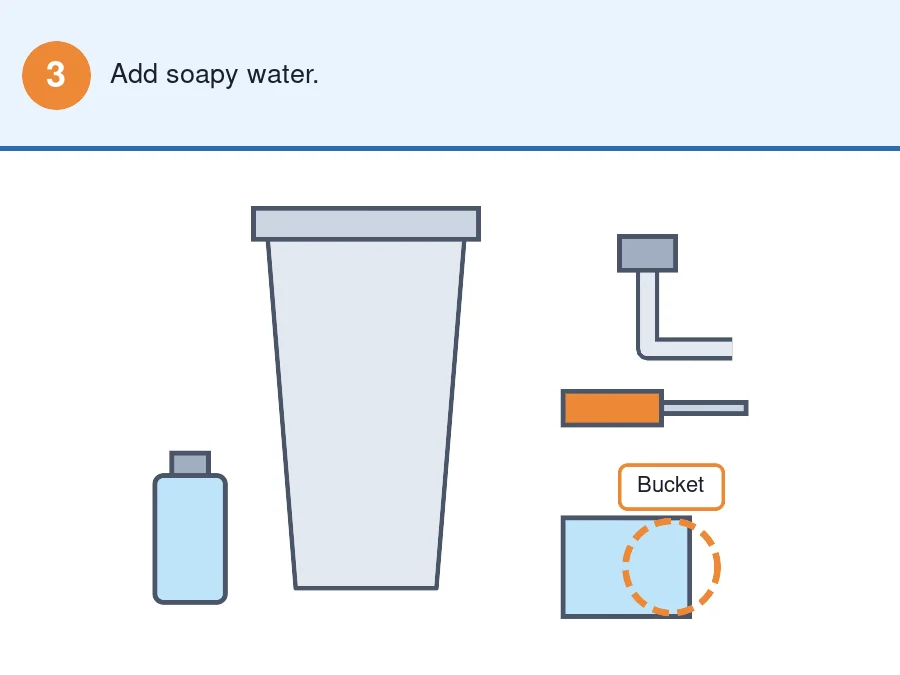
3. Add soapy water. Pour in a few inches of hot water and a good squirt of dish soap.
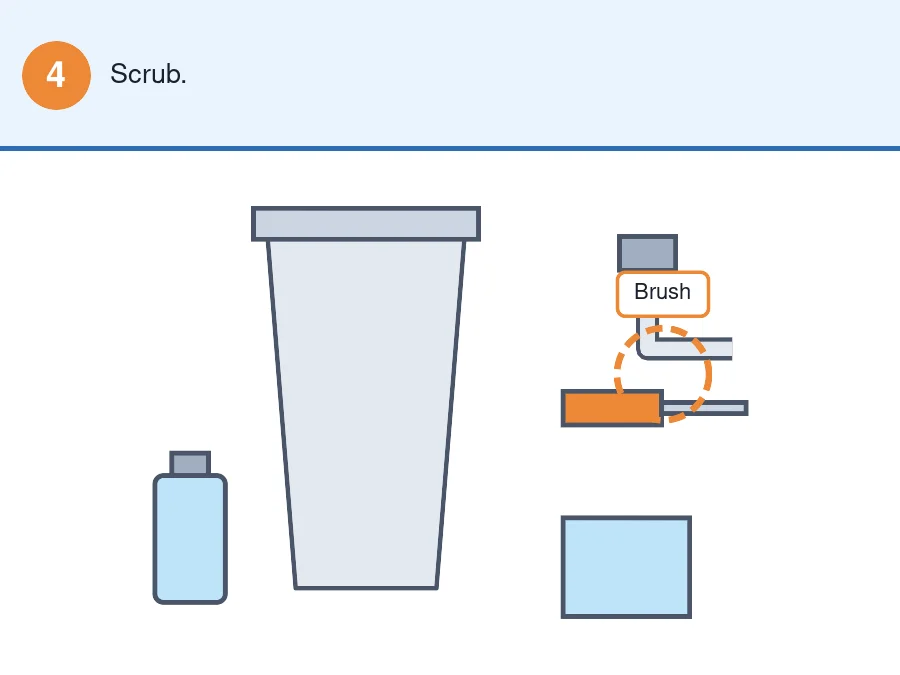
4. Scrub. Use a long handled brush on the sides and bottom. Scrub the lid, the rim, and under the lip.
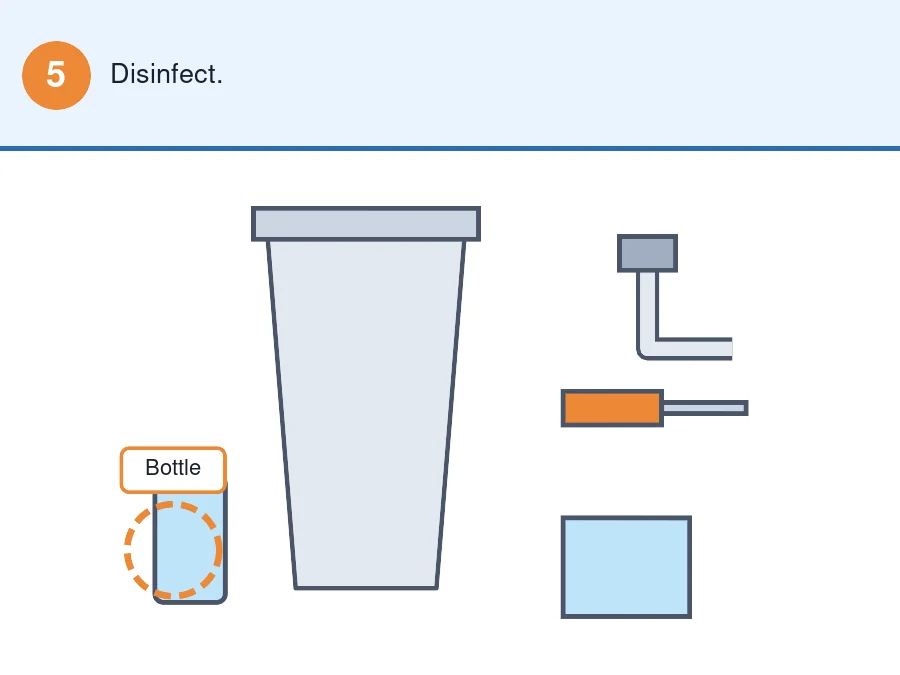
5. Disinfect. Spray or wipe with a disinfectant made for household surfaces, or a diluted bleach mix as the label allows. Leave it on for the time the label says.
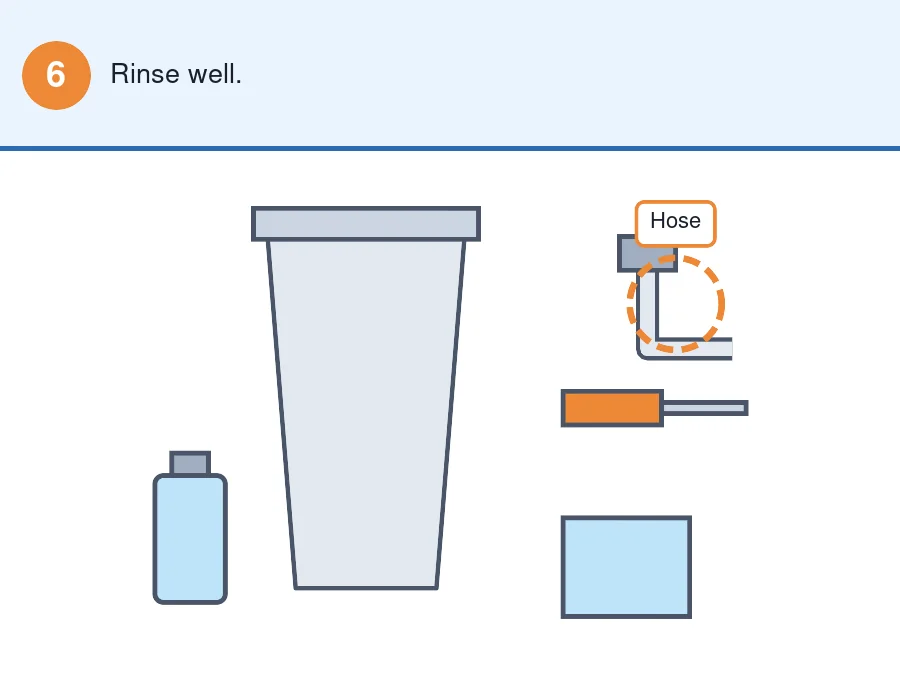
6. Rinse well. Hose it out until the water runs clear.
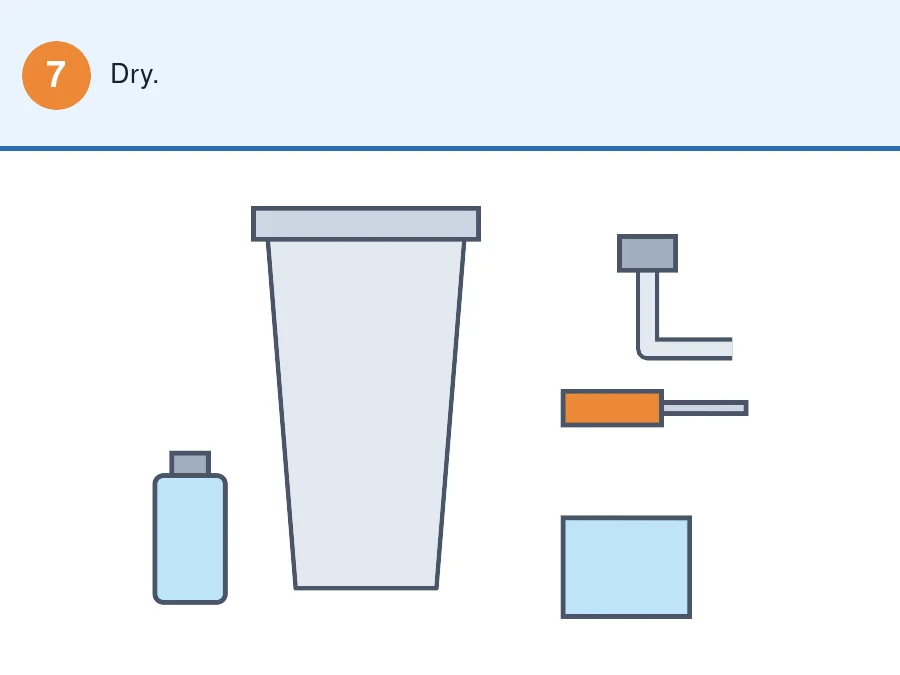
7. Dry. Tip the bin upside down and let it drain. Leave it in the sun if you can, since sun helps kill odors.
Step by step for a kitchen can
1. Take the can outside or to a utility sink.
2. Wipe the inside with hot soapy water and a sponge.
3. Wash the lid, the pedal, and the rim. Use a small brush for hinges.
4. Disinfect with a spray made for kitchen surfaces.
5. Rinse and dry fully. Moisture invites mold.
6. Put a sprinkle of baking soda in the bottom before the new bag.
Remove stubborn odors
- Baking soda. Leave a layer in the bottom overnight, then rinse.
- Sun. Place the bin in direct sun for a few hours.
- Vinegar rinse. For a mild smell, spray white vinegar, let it sit, and rinse. Do not mix with bleach.
- Charcoal or coffee grounds. Dry grounds in a small open container can absorb odor.
Keep it fresh
- Use bags that fit and are strong enough to stop leaks.
- Drain wet food waste before throwing it in.
- Wrap meat and fish scraps and freeze them until pickup day.
- Keep the lid closed to keep out pests.
- Wash the bin when the bag leaks.
- Think about composting scraps. See how to start a compost bin.
Deal with pests
Flies, maggots, and ants love dirty bins. A hot water rinse and a thorough scrub often clears them. Keep the lid shut and store bins away from the house wall. See how to get rid of ants in the kitchen if ants are a problem inside.
Disposal of wash water
Do not pour dirty wash water into storm drains. Pour it onto a lawn, gravel, or into a sink or toilet if you can. Check local rules for your area.
Related guides
- How to Remove Pet Odor From Carpet: Blot, Treat, and Neutralize
- How to Fix a Sewer Smell in the Bathroom
- How to Clean Mirrors Without Streaks
- How to Clean a Lampshade Without Ruining It
- How to Clean a TV Screen Without Damaging It
FAQ
Can I use bleach?
You can in diluted form if the label allows, but never mix it with other cleaners. Many people use dish soap and sun instead.
How do I clean a tall bin without a long brush?
Use a mop head or a toilet brush kept for this job.
Why does a clean can still smell?
It may not be dry, or something leaked under the liner. Dry it fully and check the lid.
Are liners enough?
Liners help but leaks happen. Wash the can regularly.
More from this topic
- How to Get Rid of a Musty Basement Smell by Fixing the Cause: A musty basement smell usually means moisture. Find the source, dry the air, clean affected surfaces and keep...
- Ants in the Kitchen: How to Get Rid of Them: Ants in the kitchen follow food and water trails. Clean the trail, use baits safely, seal entry points and...
- How to Get Rid of Cockroaches: Get rid of cockroaches with a four-week plan: map activity, place gel bait in small dots, remove food...
- How to Get Rid of Fruit Flies in the Kitchen: Learn how to get rid of fruit flies: find the breeding source, trap the adults, clean the drains and stop...
- How to Get Rid of Pantry Moths for Good: Learn how to get rid of pantry moths: find the infested food, empty and clean the cupboards, store food in...
 Heating and CoolingHow to Get Rid of a Musty Basement Smell by Fixing the CauseA musty basement smell usually means moisture. Find the source, dry the air, clean affected surfaces and keep humidity down so the smell does not return.
 KitchenAnts in the Kitchen: How to Get Rid of ThemAnts in the kitchen follow food and water trails. Clean the trail, use baits safely, seal entry points and keep them from coming back.
 KitchenHow to Get Rid of CockroachesGet rid of cockroaches with a four-week plan: map activity, place gel bait in small dots, remove food sources, seal cracks and check traps weekly.
 KitchenHow to Get Rid of Fruit Flies in the KitchenLearn how to get rid of fruit flies: find the breeding source, trap the adults, clean the drains and stop them coming back for good.
 KitchenHow to Get Rid of Pantry Moths for GoodLearn how to get rid of pantry moths: find the infested food, empty and clean the cupboards, store food in sealed containers and break the cycle.