
How to Start a Compost Bin at Home Without Smells or Pests
Part of: Outdoors and garage
- Difficulty
- Easy
- Time
- 1 hour to set up, then weekly care
- Tools
- Compost bin or a sturdy container with holes, garden fork, shovel, kitchen scrap pail, gloves, thermometer, water source
- Call a pro if
- Your local rules limit composting, you have a serious rodent problem, or the pile smells strongly of rot or ammonia that fixes do not solve.
In this guide
- Wear protection
- Chemical safety
Compost turns kitchen scraps and yard waste into dark, crumbly material that feeds soil. It also keeps food out of the trash. It is easier than it sounds. How to start a compost bin comes down to four things: greens, browns, air and moisture.
What compost needs
Four things make compost: greens, browns, air, and moisture.
- Greens are wet, nitrogen rich materials: fruit and vegetable scraps, coffee grounds, tea bags, fresh grass clippings.
- Browns are dry, carbon rich materials: dry leaves, shredded paper or cardboard, straw, small twigs.
- Air lets the microbes that break it down do their work.
- Moisture should feel like a wrung out sponge.
A rough starting mix is more browns than greens, such as two or three parts browns to one part greens by volume. Adjust as you go.
Pick a spot and a bin
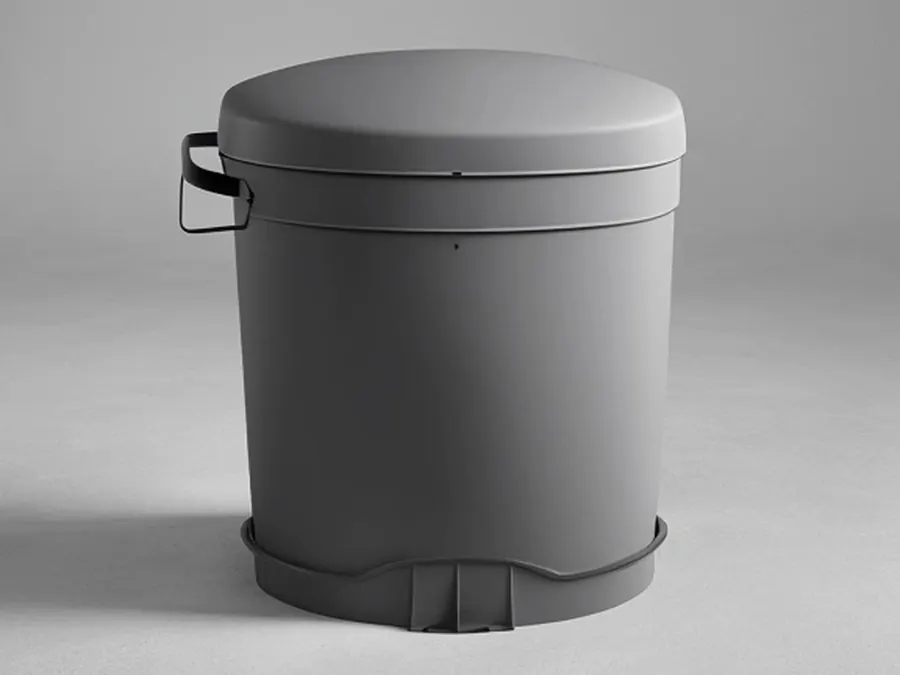
Choose a level, well drained spot with some shade, near a water source. Keep it a few feet from walls and fences. You can use a store bought tumbler or bin, a wire cage, or a wooden box. Make sure it has air holes and a lid if pests are a concern.
Step by step
1. Set the base. Put a layer of twigs or coarse brown material on the bottom for airflow.
2. Add browns and greens in layers. Start with a few inches of browns, then a thinner layer of greens.
3. Chop things up. Smaller pieces break down faster.
4. Water lightly. Wet the pile as you add dry material, but do not soak it.
5. Cover scraps. Bury new kitchen scraps under browns so they do not attract flies.
6. Turn it. Every week or two, mix with a fork so air gets in.
7. Wait. Compost can be ready in a few months to a year.
What to compost
- Fruit and vegetable scraps
- Coffee grounds and filters
- Eggshells (crushed)
- Leaves and grass clippings
- Shredded paper and plain cardboard
What to avoid
- Meat, fish, bones, and grease
- Dairy
- Pet waste
- Diseased plants
- Weeds that have seeds
- Treated wood
Fix problems
- Smells like rot: too wet or too many greens. Add dry browns and turn it.
- Smells like ammonia: too much nitrogen. Add browns.
- Not breaking down: too dry, too cold, or not enough greens. Add water or greens and turn.
- Flies: bury scraps and keep a lid on.
- Rodents: do not add meat or dairy, and use a closed bin with a fine mesh base.
When is it ready?
Finished compost looks dark and crumbly and smells like earth. You should not see recognizable scraps. Spread it on beds, mix it into soil, or use it as a top dressing for the lawn. See how to mulch garden beds.
Use fall leaves
Leaves are an easy source of browns. Save a bag or two in the fall for the year. See how to prepare your lawn for winter for fall yard tasks.
Keep it tidy
Do not let compost spill onto walkways or against siding. A bin near the foundation can attract pests and moisture. See how to get rid of mice in the house if you see signs of rodents.
Related guides
- How to Build a Compost Bin That Actually Works
- How to Build a Compost Heap From Pallets
- How to Build a Compost Sifting Screen
- How to Start a Lawn Mower That Will Not Start
- How to Keep Pests Out of the Garage Year-Round
FAQ
Do I need a special bin?
No. A simple pile or a homemade bin works.
Does compost smell bad?
A balanced pile smells earthy. Bad smells point to too much moisture or too many greens.
Can I compost in winter?
It slows down, but you can keep adding. It will speed up in spring.
How long does it take?
From a few months to a year, depending on care.
More from this topic
- How to Build a Compost Bin That Actually Works: Learn how to build a compost bin: pick the spot, build or assemble the bin, layer greens and browns, turn it...
- How to Make a Leaf Mold Bin: Learn how to make a leaf mold bin: frame a simple wire or wood bay, pack in damp leaves and leave them a year...
- How to Start Seeds Indoors for a Stronger Garden: Learn how to start seeds indoors: pick containers and mix, time sowing, give light and warmth, thin and...
- How to Test Garden Soil at Home: pH, Drainage, Nutrients: Learn how to test garden soil at home: take good samples, check texture and drainage with simple tests,...
- How to Trim a Hedge Evenly Without Leaving Bare Spots: Learn how to trim a hedge evenly with simple guides: choose the right time and tools, shape a slight taper,...
 Garage and OutdoorsHow to Build a Compost Bin That Actually WorksLearn how to build a compost bin: pick the spot, build or assemble the bin, layer greens and browns, turn it and harvest finished compost.
 Garage and OutdoorsHow to Make a Leaf Mold BinLearn how to make a leaf mold bin: frame a simple wire or wood bay, pack in damp leaves and leave them a year to break down.
 Garage and OutdoorsHow to Start Seeds Indoors for a Stronger GardenLearn how to start seeds indoors: pick containers and mix, time sowing, give light and warmth, thin and harden off seedlings, and move them out safely.
 Garage and OutdoorsHow to Test Garden Soil at Home: pH, Drainage, NutrientsLearn how to test garden soil at home: take good samples, check texture and drainage with simple tests, measure pH, and decide what to add before planting.
 Garage and OutdoorsHow to Trim a Hedge Evenly Without Leaving Bare SpotsLearn how to trim a hedge evenly with simple guides: choose the right time and tools, shape a slight taper, cut in sections, and clean up safely.