
How to Build a Compost Sifting Screen
Part of: Outdoors and garage
- Difficulty
- Easy
- Time
- 1 to 2 hours
- Tools
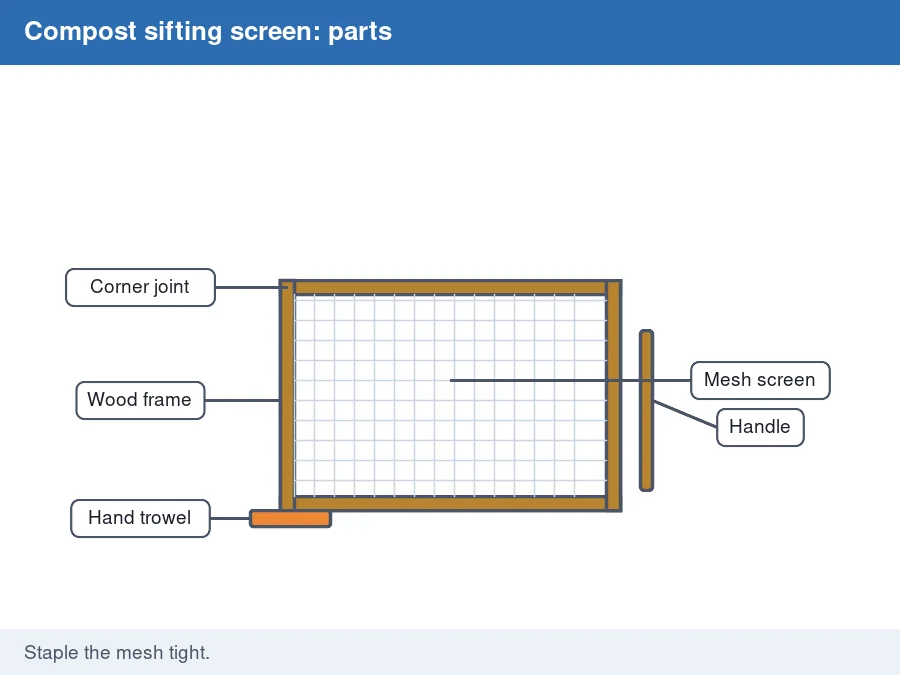
- Saw, drill, driver bits, staple gun, tape measure, square, 1x3 lumber, hardware cloth, exterior screws, gloves, safety glasses
- Call a pro if
- You want a powered trommel or a screen larger than about 3 feet square, since those need a frame and moving parts built properly.
In this guide
- Wear protection
Finished compost still holds sticks, stones and half rotted lumps. A screen takes ten minutes to build and turns rough compost into something you can use on beds and in pots. Here is how to build a compost sifting screen.
1. Decide the size
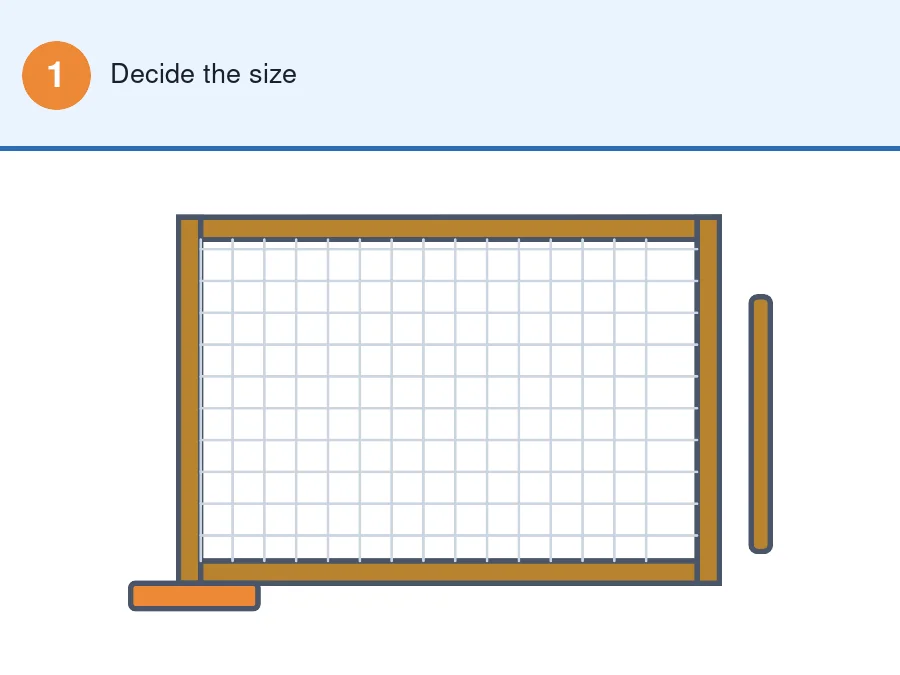
1. Make the screen about 2 by 3 feet for hand sifting.
2. Size it to sit on a wheelbarrow.
3. Choose a mesh size: half inch for potting mix, one inch for general use.
4. Keep it light enough to lift with one hand.
2. Cut the frame
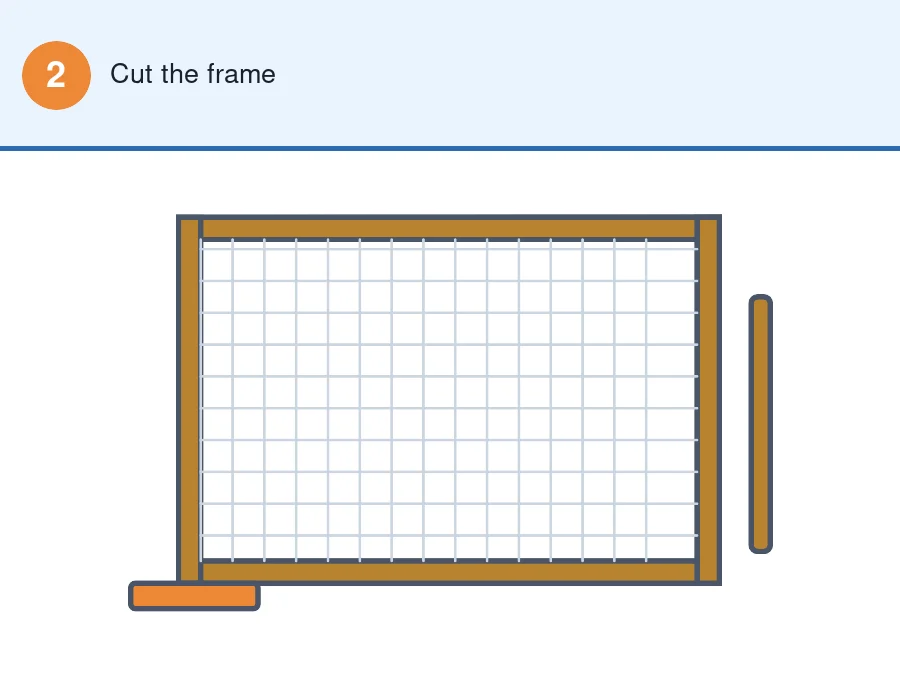
1. Cut two long pieces and two short pieces from 1x3 lumber.
2. Cut them with square ends.
3. Sand the cut ends.
4. Check the pairs match in length.
3. Assemble the frame
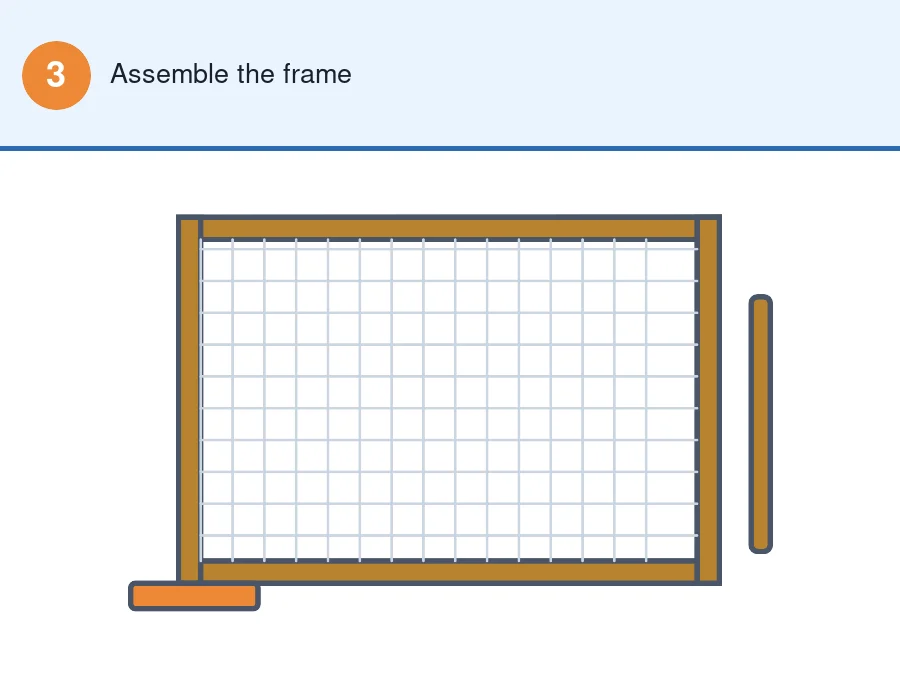
1. Predrill the ends to stop splitting.
2. Screw the frame together into a rectangle.
3. Check the diagonals to confirm it is square.
4. Add a center brace for a wide screen.
4. Fit the mesh
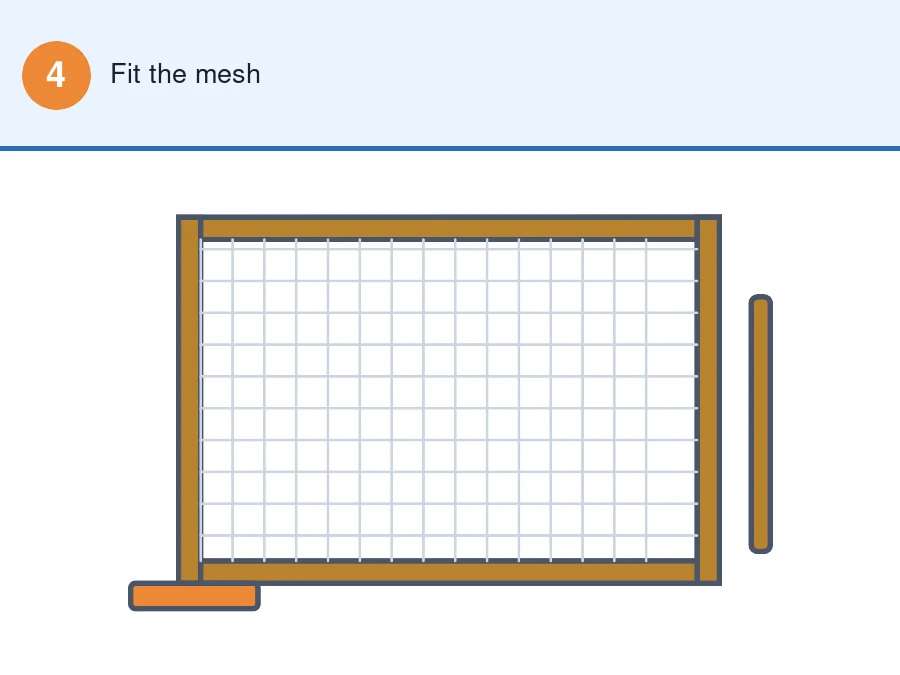
1. Cut hardware cloth an inch larger than the frame.
2. Lay it over the frame and pull it tight.
3. Staple along one side, then the opposite side.
4. Work around the frame, keeping the mesh taut.
5. Fold the edges
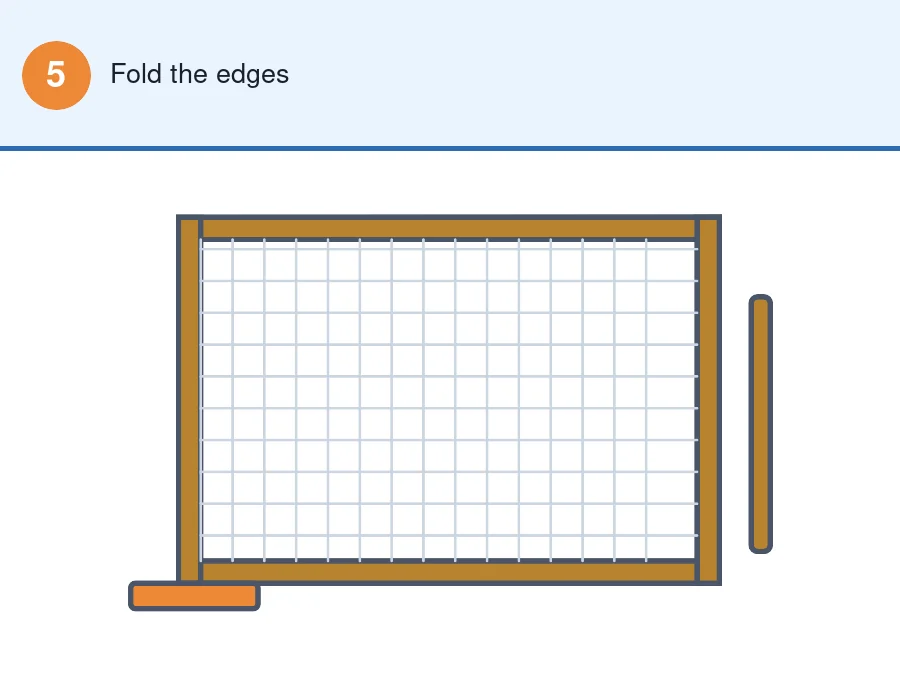
1. Fold the excess mesh over the frame edge.
2. Staple it down.
3. Hammer or file any sharp ends.
4. Check with a gloved hand for snags.
6. Add legs or handles
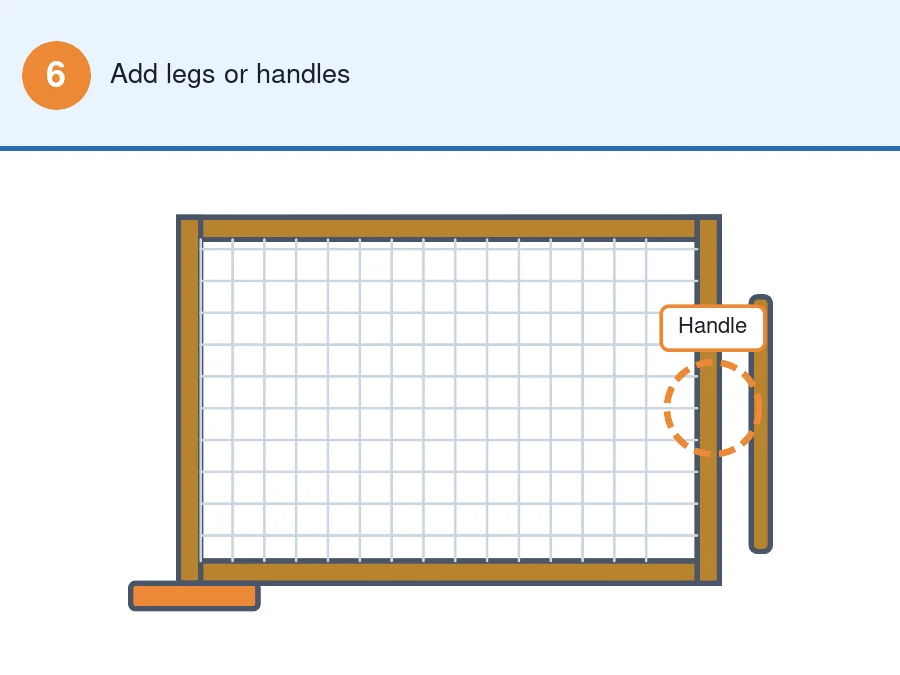
1. Fit two short legs so the screen sits on a wheelbarrow.
2. Or fit handles at each end for shaking.
3. Keep the legs clear of the wheelbarrow opening.
4. Check it sits level.
7. Use it
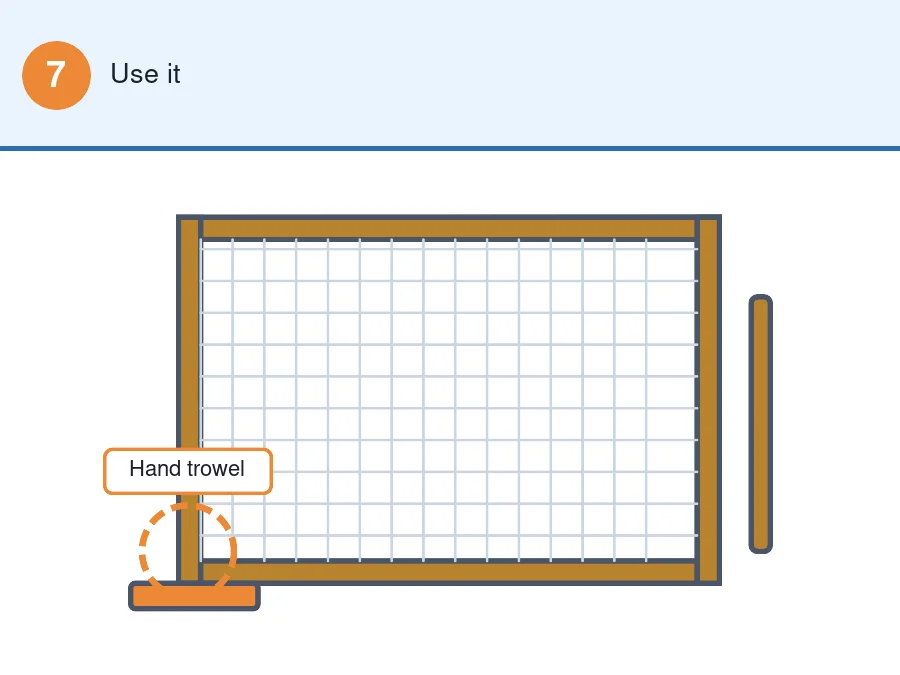
1. Set the screen over a wheelbarrow or a tarp.
2. Shovel compost onto the mesh.
3. Shake or push it through with a gloved hand.
4. Tip the oversize material back into the bin.
8. Look after it
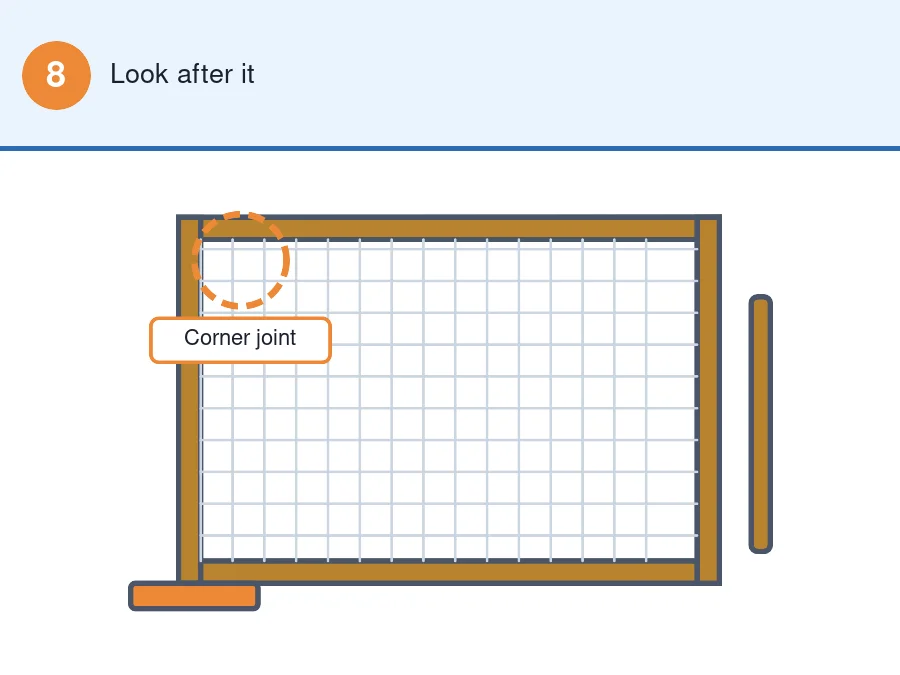
1. Scrape the mesh clean after use.
2. Store it upright and dry.
3. Replace torn mesh rather than patching it.
4. Check the frame for rot each season.
9. Improve the system
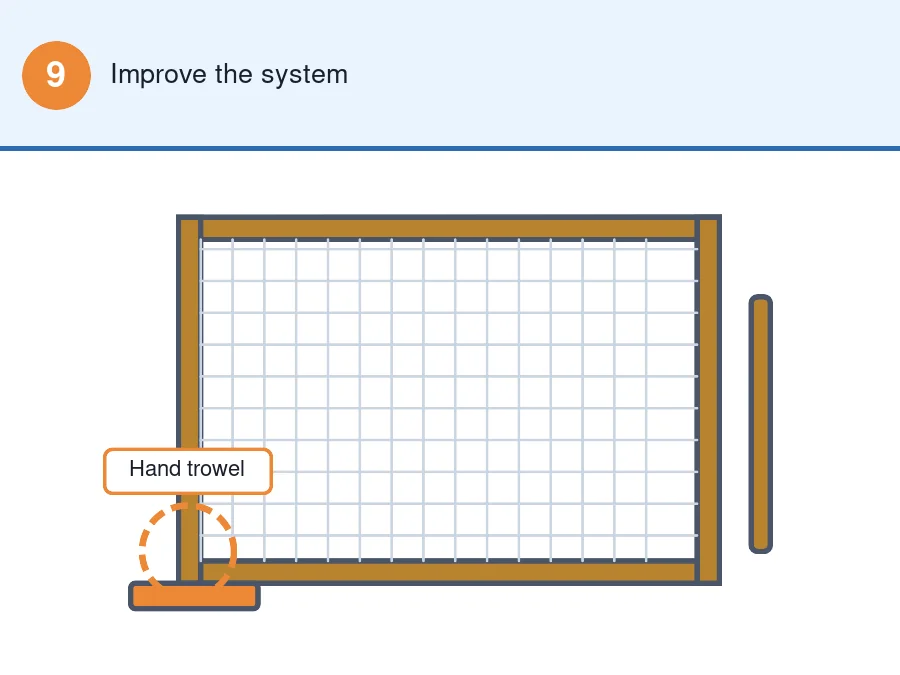
1. Build a second screen with a finer mesh for seed sowing.
2. Keep a tarp under the screen to catch the fines.
3. Compost the oversize material again.
4. Store the screen where you sift, so you use it.
Common mistakes
- Mesh that is too fine, which clogs with wet compost.
- A frame that is not square, so it rocks on the wheelbarrow.
- Sharp wire ends left exposed.
- Sifting wet compost, which blinds the mesh.
- Making the screen too big to lift.
Related guides
- How to Build a Compost Heap From Pallets
- Patio Door Screen Repair
- How to Start a Compost Bin at Home Without Smells or Pests
- How to Clean a Wheelbarrow
- How to Build a Simple Potting Bench
FAQ
What size mesh should a compost screen use?
Half inch for potting and seed use, one inch for general garden use.
Can I use chicken wire instead of hardware cloth?
It works for rough screening but tears easily and sags. Hardware cloth lasts longer.
Should compost be dry before sifting?
Yes. Damp compost blinds the mesh and clogs quickly.
How big should a hand screen be?
About 2 by 3 feet. Larger than that gets heavy when loaded with compost.
More from this topic
- How to Build a Compost Heap From Pallets: Learn how to build a compost heap from pallets: stand four pallets into a bay and layer greens and browns for...
- How to Build a Brick Planter Wall: Learn how to build a brick planter wall: set a footing, lay courses with drainage and line it so plants...
- How to Build a Compost Bin That Actually Works: Learn how to build a compost bin: pick the spot, build or assemble the bin, layer greens and browns, turn it...
- How to Build a Gravel Boardwalk: Learn how to build a gravel boardwalk: frame a shallow bed with timber edging and compact gravel so the path...
- How to Build a Low Garden Wall From Pavers: Learn how to build a low garden wall from pavers: set a level base, stack courses with a bond and cap the...
 Garage and OutdoorsHow to Build a Compost Heap From PalletsLearn how to build a compost heap from pallets: stand four pallets into a bay and layer greens and browns for fast rot.
 Garage and OutdoorsHow to Build a Brick Planter WallLearn how to build a brick planter wall: set a footing, lay courses with drainage and line it so plants thrive.
 Garage and OutdoorsHow to Build a Compost Bin That Actually WorksLearn how to build a compost bin: pick the spot, build or assemble the bin, layer greens and browns, turn it and harvest finished compost.
 Garage and OutdoorsHow to Build a Gravel BoardwalkLearn how to build a gravel boardwalk: frame a shallow bed with timber edging and compact gravel so the path stays firm underfoot.
 Garage and OutdoorsHow to Build a Low Garden Wall From PaversLearn how to build a low garden wall from pavers: set a level base, stack courses with a bond and cap the top.