
How to Seal a Granite Countertop and Know When It Needs It
Part of: Kitchen
- Difficulty
- Easy
- Time
- 1 to 2 hours plus curing
- Tools
- Penetrating stone sealer, clean cloths or a soft pad, mild stone-safe cleaner, a spray bottle of water for the test, gloves, a fan, paper towels
- Call a pro if
- The granite is stained, has a dull patch or is chipped, since those need a stone restorer or a fabricator rather than sealer.
In this guide
- Wear protection
- Chemical safety
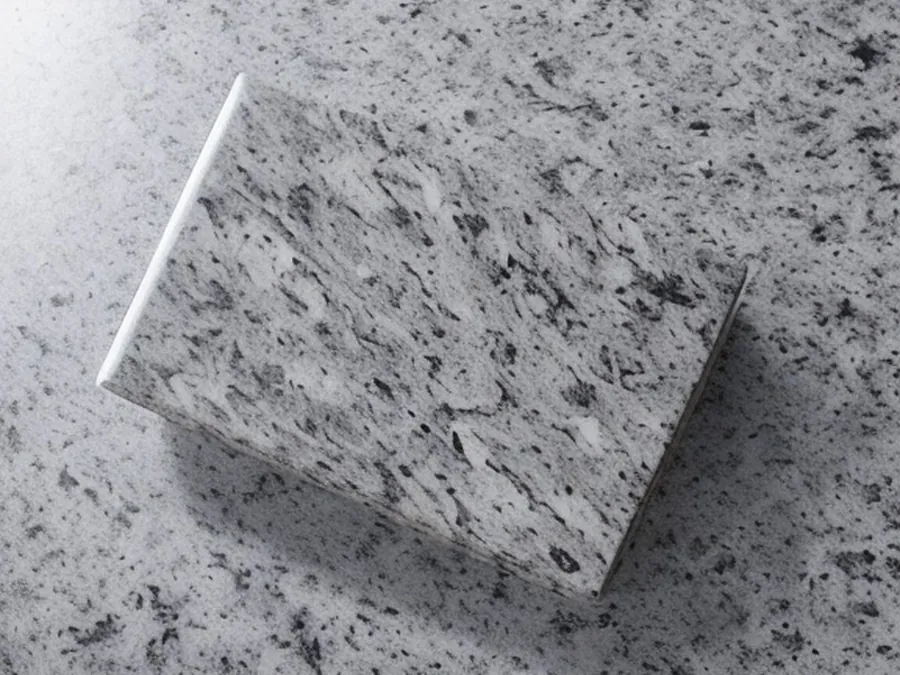
Granite is porous. It looks solid, but left unsealed it absorbs oil, wine, coffee and water, and those stains are hard to remove once they are inside the stone. Sealing is a maintenance job, not a one-off, and most granite needs it every year or two. It takes an hour and needs no skill. How to seal a granite countertop starts with the water test, a few drops left 10 to 15 minutes in an inconspicuous spot.
1. Test whether it needs sealing
Put a few drops of water on the counter in an inconspicuous spot and leave them for 10 to 15 minutes.
- The water beads and stays on top: the granite is sealed.
- The water spreads and darkens the stone: the sealer has worn off and the stone is absorbing.
Do this test once a year. A dark, absorbent patch means it is time.
2. Clean the counter properly
Sealer will not bond to grease, dust or old product.
1. Clear the counter completely.
2. Clean with a stone-safe cleaner, or a few drops of mild dish soap in warm water.
3. Pay attention to the areas around the sink and the cooktop.
4. Rinse with clean water and dry with a soft cloth.
Do not use vinegar, lemon, bleach or an abrasive cleaner on granite.
3. Let it dry completely
Granite needs to be dry, not just dry to the touch. Leave it for a few hours, or overnight, with good airflow. Sealer applied to a damp counter will not penetrate and will leave a patchy finish.
4. Choose a penetrating sealer
Use a penetrating sealer made for granite and natural stone, not a topical coating. A penetrating sealer soaks into the pores and repels liquid from inside; a topical sealer sits on the surface and peels.
Check the label for the stone type and the coverage. One bottle usually covers a normal kitchen several times over.
5. Apply the sealer
1. Work in sections of a few feet.
2. Apply a thin, even coat with a clean cloth or a soft pad.
3. Let it sit for the time the product specifies, usually 10 to 15 minutes.
4. Wipe off the excess before it dries, using a clean dry cloth.
5. Do not let it pool in the sink cutout or along the backsplash joint.
6. Apply a second coat if needed
For a porous stone or a first sealing, apply a second thin coat after the first has dried, following the product's instructions. Then redo the water drop test on a hidden spot; if the water still darkens the stone, a third coat may be needed.
7. Cure it
Keep the counter dry and free of heavy use for the curing time, usually 24 hours and sometimes more. Do not put dishes, cutting boards or appliances on it until it is cured.
8. Care for it in between
- Wipe up spills promptly, especially wine, oil and citrus.
- Use a stone-safe cleaner, and avoid acids and abrasives.
- Use a cutting board, not the counter, for chopping.
- Do not put hot pans directly on granite; use a trivet, since thermal shock can crack stone.
- Re-test for absorbency once a year.
9. Deal with stains
If something has already stained the granite, a poultice draws it out. A stone restorer or a fabricator can advise on the right poultice for the stain type, since oil, water and rust stains need different treatments. Sealing after the stain is removed prevents a repeat.
Common mistakes
- Sealing a dirty or damp counter.
- Using a topical sealer instead of a penetrating one.
- Leaving sealer to dry on the surface, which leaves a haze.
- Using vinegar or an acid cleaner on granite.
- Assuming granite never needs resealing.
Related guides
- How to Clean Granite Countertops
- How to Level Kitchen Cabinets Before the Countertop Goes On
- How to Install a Kitchen Sink in an Existing Countertop
- How to Fix a Chip in a Laminate Countertop
- How to Remove a Burn Mark From a Countertop
FAQ
How often should granite be sealed?
Every one to two years for most granite, more often for a porous stone. The water drop test tells you.
Does all granite need sealing?
Most does, though some dense stones absorb very little. Test yours rather than assuming.
Can I use vinegar on granite?
No. Acid etches granite and dulls the finish. Use a stone-safe cleaner.
How long before I can use the counter after sealing?
Usually 24 hours. Follow the product's cure time, and keep it dry until then.
More from this topic
- How to Clean Granite Countertops: Learn how to clean granite countertops: the safe daily routine, what to avoid, stain removal, and when to...
- How to Seal a Countertop Seam So Water Stops Getting In: Learn how to seal a countertop seam: clean and dry the joint, choose the right sealant, tape and apply it,...
- Freezer Frost Buildup: Causes and How to Fix It: Freezer frost buildup making ice on the walls or food? Learn the causes, how to defrost safely and the simple...
- How to Clean Refrigerator Coils: Learn how to clean refrigerator coils with a brush and vacuum. Find the coils, unplug the fridge and clean...
- How to Seal a Backsplash: Learn how to seal a backsplash, from grout sealer on ceramic joints to stone sealer and the caulk line that...
 KitchenHow to Clean Granite CountertopsLearn how to clean granite countertops: the safe daily routine, what to avoid, stain removal, and when to reseal.
 KitchenHow to Seal a Countertop Seam So Water Stops Getting InLearn how to seal a countertop seam: clean and dry the joint, choose the right sealant, tape and apply it, tool the bead smooth and keep the seam watertight.
 KitchenFreezer Frost Buildup: Causes and How to Fix ItFreezer frost buildup making ice on the walls or food? Learn the causes, how to defrost safely and the simple habits that keep frost away for good.
 KitchenHow to Clean Refrigerator CoilsLearn how to clean refrigerator coils with a brush and vacuum. Find the coils, unplug the fridge and clean them safely to cut noise and keep food cold.
 TileHow to Seal a BacksplashLearn how to seal a backsplash, from grout sealer on ceramic joints to stone sealer and the caulk line that keeps water out.