
Freezer Frost Buildup: Causes and How to Fix It
Part of: Appliances · Also in: The Complete Guide to Kitchen and Appliance Care at Home
- Difficulty
- Easy
- Time
- 1 to 4 hours, mostly waiting
- Tools
- Towels, cooler, shallow pan, plastic scraper, warm water, mild soap, flashlight
- Call a pro if
- frost returns quickly after you defrost, the fridge section is also warm, or you hear the compressor running constantly
In this guide
- Power off first
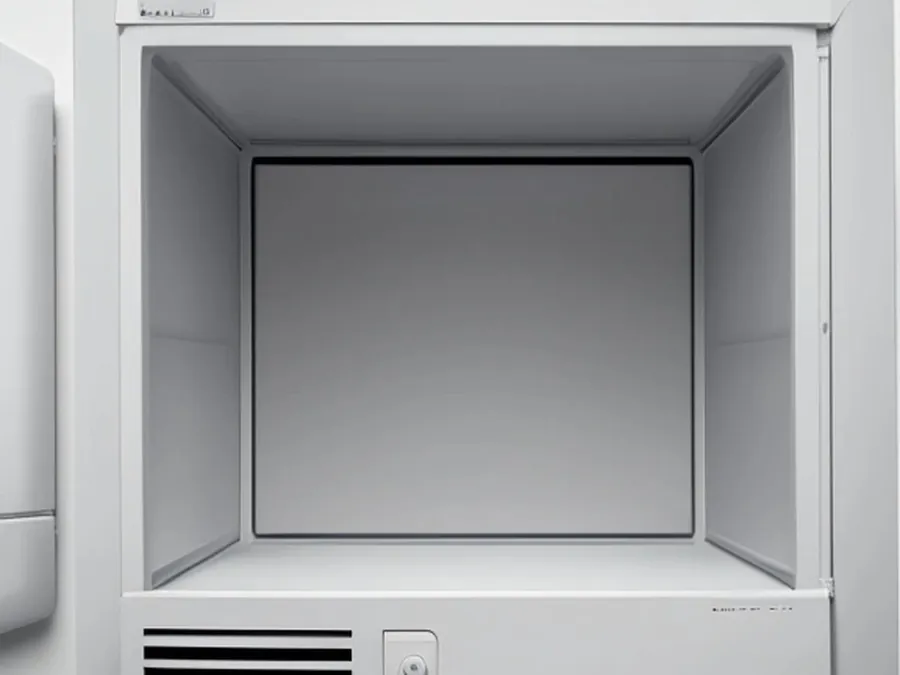
A thin layer of frost is normal in some freezers. But thick frost on the walls, ice on the food or a freezer drawer that sticks is a sign something is wrong. Freezer frost buildup makes the freezer less efficient and can block airflow. This guide explains the causes and how to fix the problem.
Why frost builds up
- Warm air getting in. A door left open or a seal that does not close lets in moist air, which freezes into frost.
- A worn door gasket. If the rubber seal is cracked or dirty, air leaks in.
- Frequent opening. Opening the door often lets in humid air.
- Hot food. Putting in warm or uncovered food adds moisture.
- Overpacking. Blocked vents stop cold air from moving.
- A defrost problem. Frost free models melt frost on a schedule. If the defrost heater, the timer or the sensor fails, frost builds up on the evaporator and then in the freezer.
- A clogged drain. Melted frost needs to drain out. A blocked drain makes ice at the bottom of the freezer.
Check the door seal
Shut the door on a strip of paper or a bill at several points around the edge. If it pulls out easily, the seal is not tight. Clean the gasket with warm soapy water. Dry it. If it is torn or hard, replace it. Make sure the door closes fully and nothing blocks it, such as a tall box or a bag.
Step by step: defrost the freezer
1. Empty the freezer. Put the food in coolers with ice packs. Keep it cold and wrap the most perishable items.
2. Turn off the freezer and unplug it. Leave the door open.
3. Place towels on the floor and a shallow pan under the freezer to catch the water.
4. Let the ice melt. This can take a few hours. To save time, set a bowl of hot water on a shelf, shut the door and wait a few minutes.
5. Remove loose ice with a plastic scraper. Do not use a knife or a metal tool, since you can puncture the coils and the lines.
6. Wipe the inside with a cloth and warm water mixed with a little mild soap. Dry it well.
7. Clean the drain hole at the back of the freezer if there is one. Flush it with warm water.
8. Plug in the freezer and let it cool before you put the food back. Set the temperature near 0 degrees Fahrenheit.
9. Pack the freezer loosely, and leave room for air to move.
Do not use a hair dryer near standing water, and do not use a heat gun on plastic parts.
When frost keeps coming back
If frost returns within days or weeks after a defrost, and your freezer is a frost free model, the defrost system may have failed. Signs are a thick wall of frost at the back, a freezer that is not cold enough and a fridge section that is warm. A repair person can test the defrost heater and the sensor. See Refrigerator making noise: what it means for related symptoms.
Prevention
Keep the freezer about three quarters full, since a full freezer holds cold better. Cool hot food before freezing it and wrap food in sealed bags or containers. Open the door as little as you can. Check the seal twice a year. Clean the coils behind or under the fridge so the unit runs efficiently. Check the temperature with a freezer thermometer.
Signs that point to each cause
Frost only near the door edge points to a bad seal or a door that does not close fully. Frost on the back wall, with a warm fridge section, points to a defrost problem. Ice at the bottom of the freezer points to a clogged drain. Frost on food packages only usually comes from warm food or frequent opening. Matching the pattern to the cause saves time and keeps you from replacing parts you do not need.
Keeping food safe while you defrost
Put frozen food in a cooler with ice packs and keep the lid closed. Group items together, since they stay cold longer. A full cooler can keep food frozen for several hours. If food has thawed completely and warmed above refrigerator temperature for more than two hours, throw it out. Food that still has ice crystals and feels cold can be kept. Label items you refreeze, and use them first.
Related guides
- How to Clear a Refrigerator Defrost Drain That Leaks Water
- How to Defrost a Freezer Safely and Quickly
- How to Fix a Cabinet Hinge: Loose, Sagging and Stripped Screw Holes
- Refrigerator Water Dispenser Not Working: Causes and Fixes
- How to Replace a Refrigerator Light Bulb
- How to Replace a Refrigerator Water Filter
FAQ
Is a little frost normal?
Yes. A thin layer is common, especially in manual defrost freezers.
How often should I defrost?
A manual defrost freezer needs it when the frost is about a quarter inch thick.
Can I use a hair dryer?
It is risky near water, so wait for the ice to melt instead.
What temperature should the freezer be?
About 0 degrees Fahrenheit.
More from this topic
- How to Clear a Refrigerator Defrost Drain That Leaks Water: Learn how to clear a refrigerator defrost drain: find the clogged hole at the back of the freezer, flush it...
- How to Defrost a Freezer Safely and Quickly: Learn how to defrost a freezer safely: empty and unplug it, let the ice melt with towels and pans, clean the...
- How to Replace a Refrigerator Door Gasket: Learn how to replace a refrigerator door gasket: order the right part, warm and remove the old seal, press in...
- Refrigerator Door Seal Not Sealing: Refrigerator door seal not sealing? Learn the dollar bill test, how to clean and reshape a gasket, adjust the...
- Refrigerator Leaking Water on the Floor: Causes and Fixes: Refrigerator leaking water on the floor? Check the defrost drain, water line, filter and drain pan to find...
 KitchenHow to Clear a Refrigerator Defrost Drain That Leaks WaterLearn how to clear a refrigerator defrost drain: find the clogged hole at the back of the freezer, flush it with warm water and stop floor leaks.
 KitchenHow to Defrost a Freezer Safely and QuicklyLearn how to defrost a freezer safely: empty and unplug it, let the ice melt with towels and pans, clean the inside, dry it and restart the freezer correctly.
 KitchenHow to Replace a Refrigerator Door GasketLearn how to replace a refrigerator door gasket: order the right part, warm and remove the old seal, press in the new one and test the door for a tight fit.
 KitchenRefrigerator Door Seal Not SealingRefrigerator door seal not sealing? Learn the dollar bill test, how to clean and reshape a gasket, adjust the door and replace the seal to stop frost.
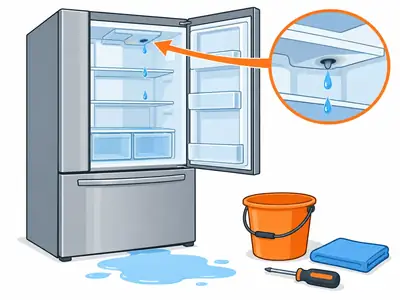 KitchenRefrigerator Leaking Water on the Floor: Causes and FixesRefrigerator leaking water on the floor? Check the defrost drain, water line, filter and drain pan to find the cause and fix it step by step.