
How to Remove Dried Caulk From Tile
Part of: Basic plumbing
- Difficulty
- Easy
- Time
- 30 to 60 minutes
- Tools
- Plastic scraper, caulk remover gel, utility knife, rubbing alcohol, rag, soft brush, gloves
- Call a pro if
- The caulk is behind a fixture or under a shower base, since the tile may need to come up.
In this guide
- Identify the caulk
- Start with a plastic blade
- Cut the bead lengthwise
- Use a caulk remover gel
- Peel what has loosened
- Work the stubborn spots
- Keep the grout safe
- Clean the film
- Dry the joint
- Check the tile for damage
- Re-caulk properly
- Clean the tools
- Remove caulk from a textured tile
- Common mistakes
- FAQ
- When to call a pro
- Wear protection
- Chemical safety
Dried silicone is the most stubborn thing in a bathroom. It does not sand, paint will not cover it, and a metal blade will scratch the glaze while you fight it. The way through is to soften it chemically, then lift it with something softer than the tile. How to remove dried caulk from tile starts with identifying it: silicone feels rubbery and stretches, acrylic feels chalky and crumbles.
1. Identify the caulk
1. Silicone feels rubbery and stretches.
2. Acrylic feels chalky and crumbles.
3. Acrylic is easy; silicone needs help.
2. Start with a plastic blade
1. Work the corner of a plastic scraper under the edge.
2. Push along the joint, not into the tile.
3. Cut the bead lengthwise
1. Run a knife along the middle of the bead.
2. Do not dig at the tile.
4. Use a caulk remover gel
1. Apply gel along the bead.
2. Leave it for the time on the label.
3. It softens silicone so it lifts in strips.
5. Peel what has loosened
1. Pull the strip at a low angle.
2. Long slow pulls beat short tugs, and a warm room makes the silicone stretch further.
6. Work the stubborn spots
1. Reapply gel and wait again.
2. Use a soft brush on the residue.
7. Keep the grout safe
1. Caulk remover can soften grout sealer.
2. Wipe it off grout at once.
8. Clean the film
1. Wipe with rubbing alcohol.
2. Silicone leaves a film that stops new caulk bonding.
9. Dry the joint
1. Water is the enemy of the next bead.
2. Wait a full day after a shower.
10. Check the tile for damage
1. Look for chips at the joint.
2. A chipped edge needs filling before caulk.
11. Re-caulk properly
1. Mask both sides.
2. One bead, tooled once.
12. Clean the tools
1. Wipe the scraper before the gel dries.
2. Throw the rags away outdoors.
13. Remove caulk from a textured tile
1. Textured tile holds caulk in the pits.
2. Use a stiff nylon brush with the gel.
3. Work along the joint, not across it.
4. Rinse and repeat rather than scrub hard.
Common mistakes
- Using a metal scraper on glazed tile.
- Digging the knife into the tile edge.
- Skipping the alcohol wipe before new caulk.
- Caulking a damp joint.
- Letting remover sit on grout.
FAQ
What dissolves dried silicone caulk?
A caulk remover gel made for silicone. Nothing household works as well.
Can I scrape silicone off tile?
Yes, with a plastic scraper, after softening it.
Will vinegar remove silicone?
No. It cleans the film but does not break the bead.
How long should the remover sit?
Follow the label, usually a few hours for old silicone.
Related guides
- How to Remove Hard Water Buildup from a Faucet: Learn how to remove hard water buildup from a faucet: soften deposits with vinegar or citric acid, clean the...
- Cracked Caulk Around a Sink: When to Redo It and How: Cracked caulk around a sink lets water seep under the counter. Learn how to cut it out, clean the gap and...
- How to Remove a Silicone Bead Cleanly: Learn how to remove a silicone bead cleanly: soften it, cut it away, strip the residue and prep the surface...
- How to Caulk a Bathtub (Remove Old Caulk First): Learn how to caulk a bathtub for a clean, waterproof seal: remove old caulk, clean, tape, apply, smooth and...
- How to Remove a Broken Tile From a Wall: Learn how to remove a broken tile from a wall without cracking its neighbors, then set a matching replacement...
 BathroomHow to Remove Hard Water Buildup from a FaucetLearn how to remove hard water buildup from a faucet: soften deposits with vinegar or citric acid, clean the aerator, polish the finish and stop it returning.
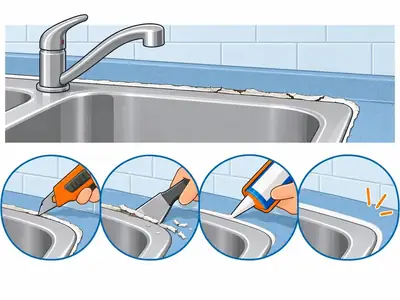 BathroomCracked Caulk Around a Sink: When to Redo It and HowCracked caulk around a sink lets water seep under the counter. Learn how to cut it out, clean the gap and apply a neat new bead that lasts for years.
 BathroomHow to Remove a Silicone Bead CleanlyLearn how to remove a silicone bead cleanly: soften it, cut it away, strip the residue and prep the surface so new caulk sticks and looks neat.
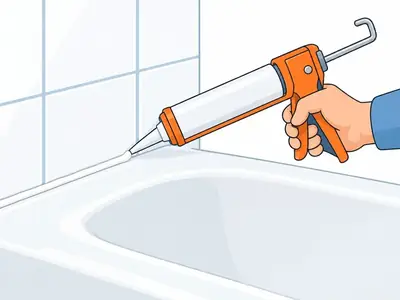 BathroomHow to Caulk a Bathtub (Remove Old Caulk First)Learn how to caulk a bathtub for a clean, waterproof seal: remove old caulk, clean, tape, apply, smooth and let it cure. Steps and safety tips included.
 BathroomHow to Remove a Broken Tile From a WallLearn how to remove a broken tile from a wall without cracking its neighbors, then set a matching replacement and regrout the joint.